
10 Things to Know About 'Cloak & Dagger' 1984
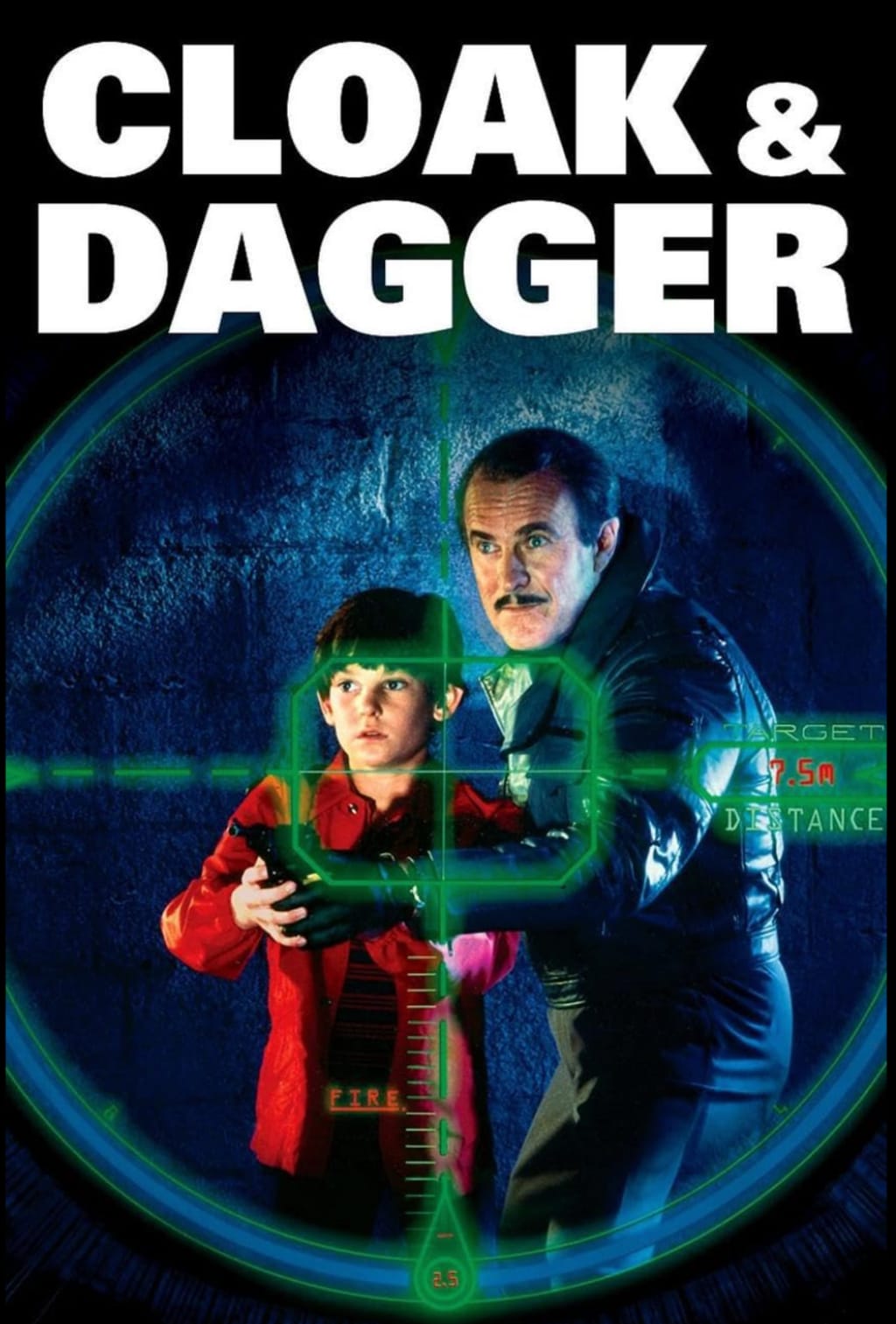
Cloak & Dagger starring Dabney Coleman and Henry Thomas was released August 10th, 1984.

10 Things to Know About Cloak & Dagger (1984)
10 Started as a Remake of a 1949 Movie
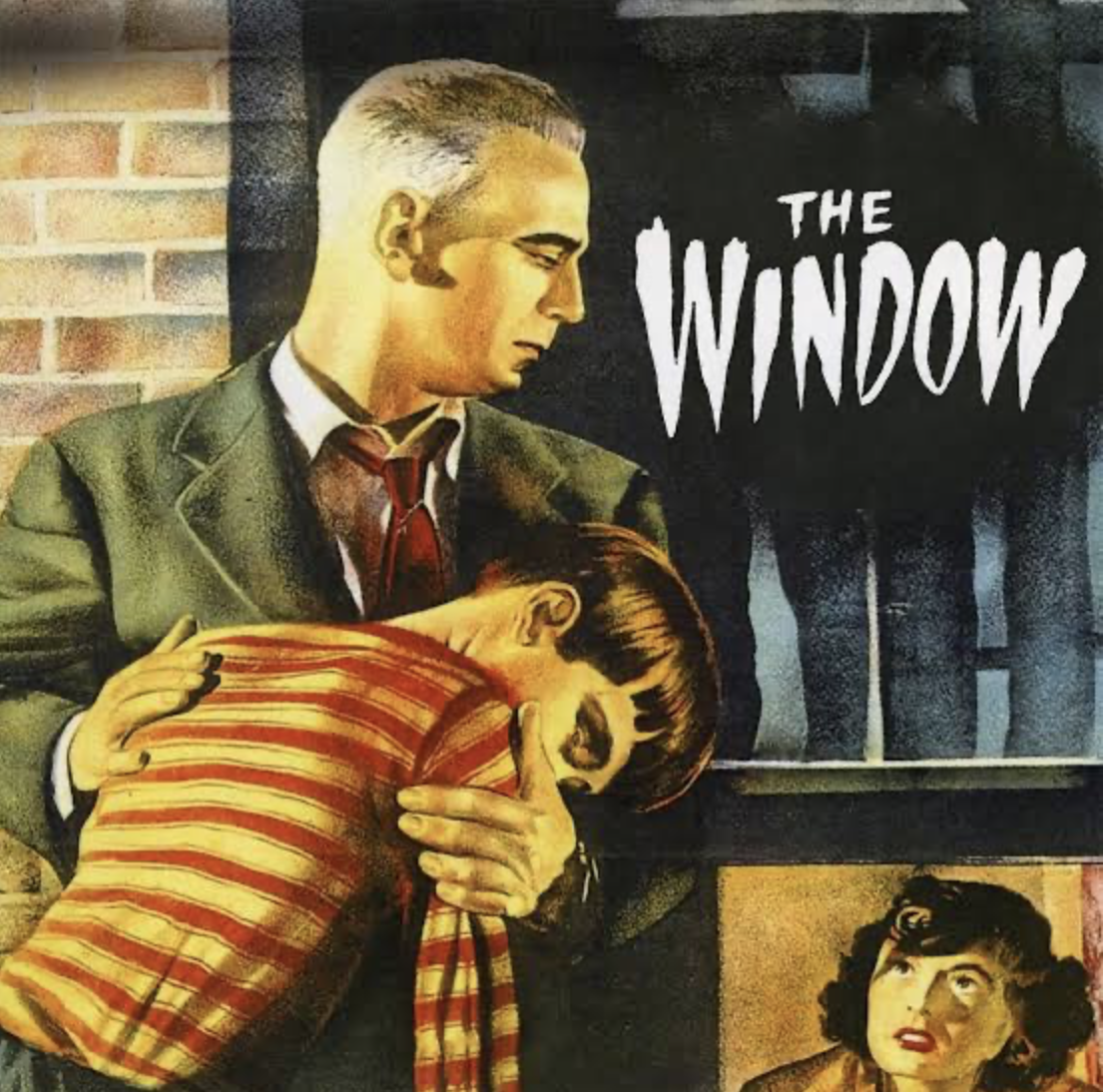
Initial ideas for Cloak and Dagger included a direct remake of the 1949 thriller, The Window, which is one of a pair of films based on a Cornell Woolrich short story. That film starred Bobby Driscoll as a little boy prone to making up stories for his parents and getting in trouble for it. When the boy witnesses a couple murder a sailor, he tries to tell his mom and she refuses to believe him. Leaving him home alone while she attends to a sick friend, the boy worries that that the murderous couple might try to kill him next.
Director Richard Franklin's first meeting with star Henry Gibson, detailed later in this article, and attempts to leverage relations with Atari and their reach among kid audience, the story of Cloak and Dagger evolved, if only a little to include an imaginary friend/Super-Spy, an Atari game and more.
9 Filmed in Famous San Antonio Locations
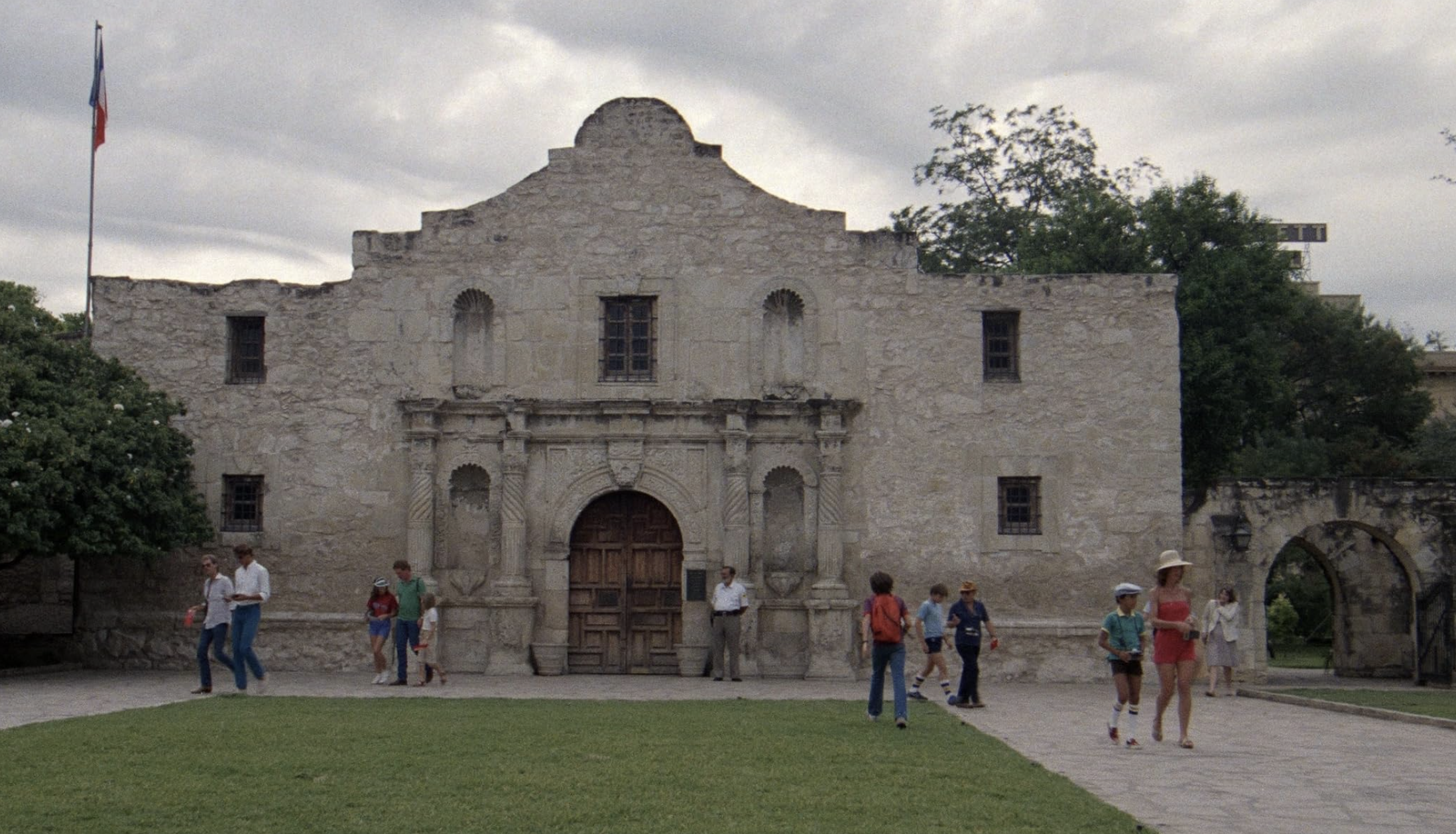
The Alamo plays a role in Cloak and Dagger. When our hero, played by Henry Thomas, gets into a chase with the baddies, led by Michael Murphy, he’s rescued by an elderly couple who happen to be touring the Alamo. Later, a chase involving Thomas and his best friend, played by the adorable Christina Nigra, takes us to the famed San Antonio River Walk, a wonderful location chosen for it’s vaguely European style architecture, according to director Richard Franklin.
8 Echoes of Rear Window
The premise involving witnessing a murder and becoming a potential victim of a murder evokes a bit of Alfred Hitchcock’s Rear Window, and there’s a good reason for that. The short story that inspired the story in Cloak and Dagger was called "The Boy Who Cried Murder" which was written by Cornell Woolrich, the same man who wrote the short story that became Rear Window.
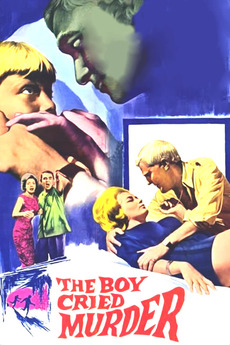
The Boy Who Cried Murder also inspired a lesser known 1966 movie.
7 A Pedigreed Soundtrack
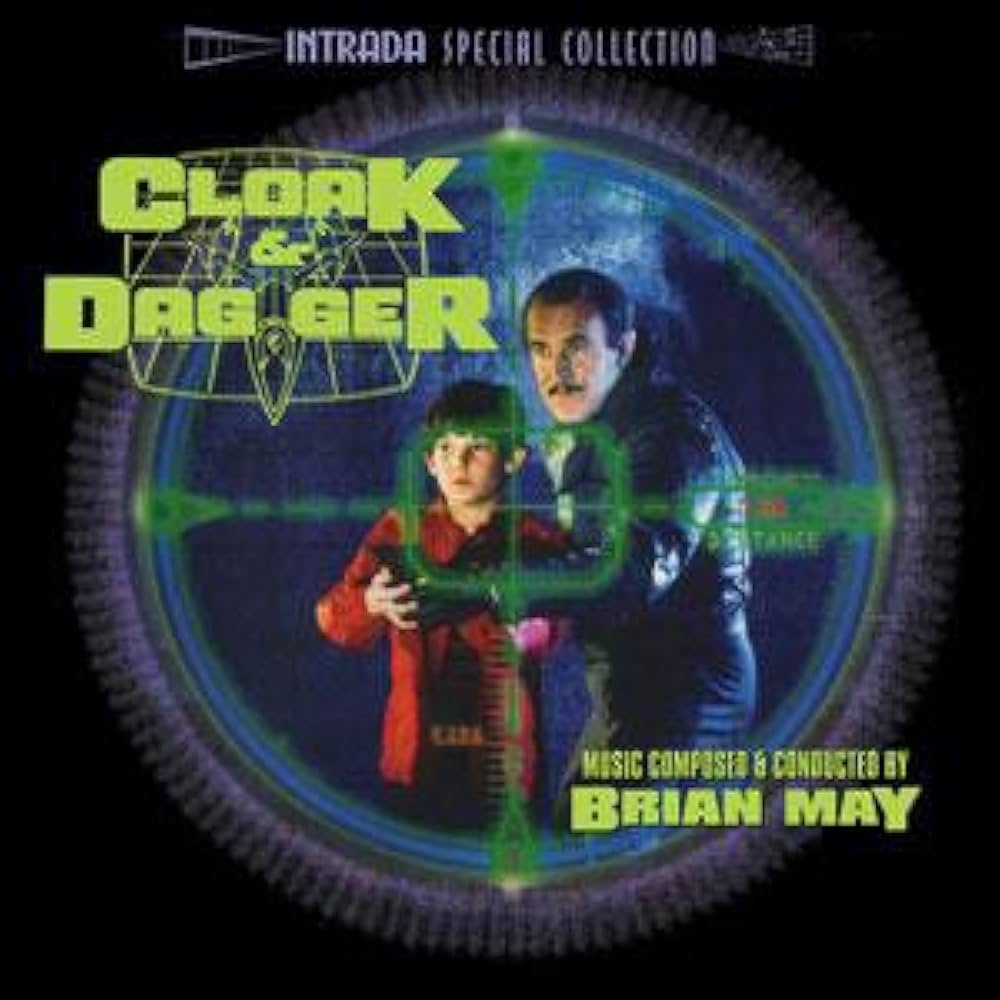
Aussie composer Brian May, the man behind the music of Mad Max, composed the soundtrack for Cloak and Dagger, going so far as to move to the U.S, so he could dedicate himself fully to the soundtrack. According to an interview with Australia’s The Age in 1983, May called his soundtrack for Cloak and Dagger his "most ambitious soundtrack yet.”
6 Cloak & Dagger Was Created Specifically for Henry Thomas
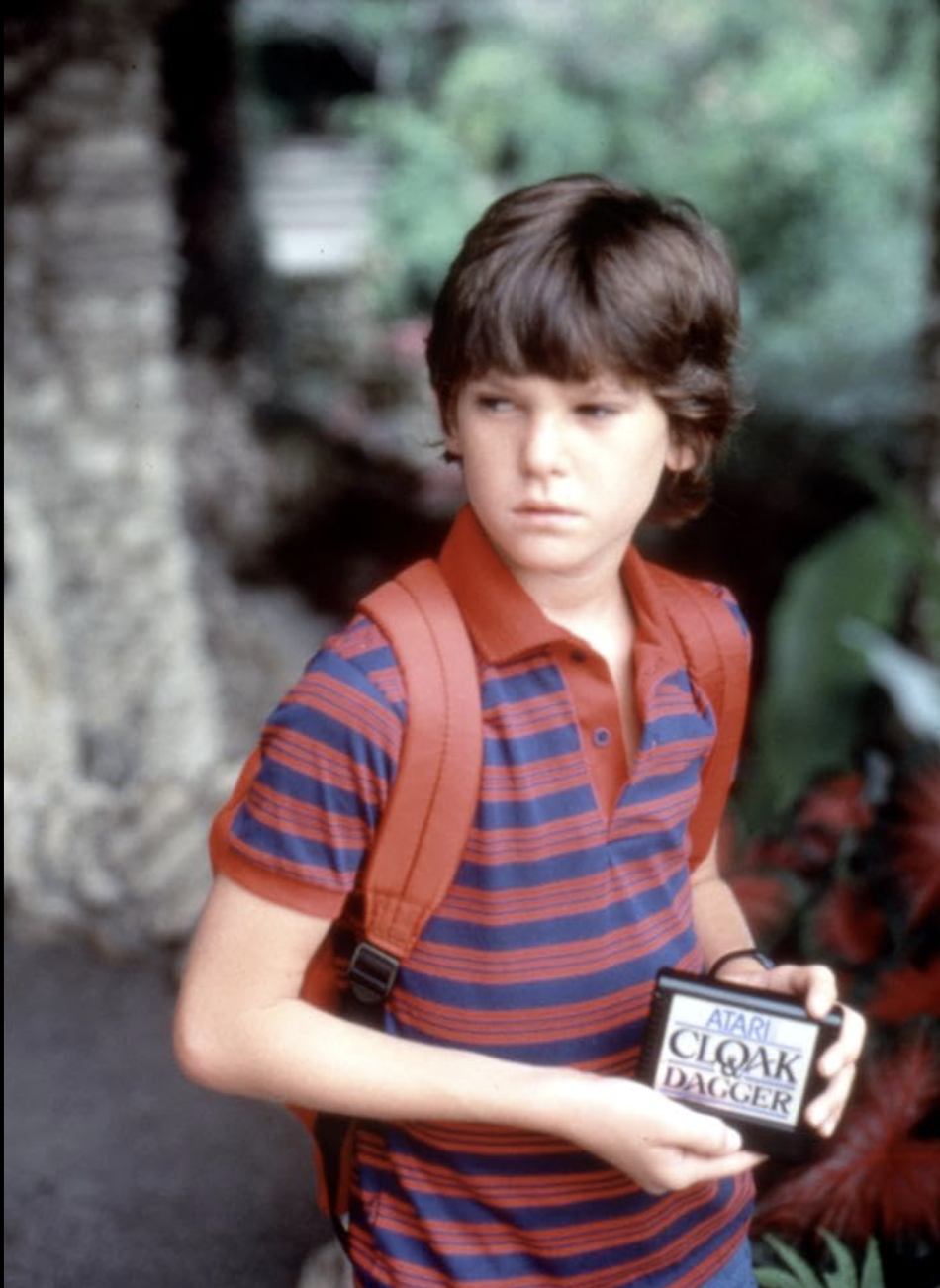
When director Richard Franklin signed on for Cloak & Dagger he was specifically told that the movie was being developed for the young star of E.T The Extra Terrestrial. Franklin, not known for making kid friendly flicks, was nevertheless brought in and set about creating a Hitchcock style thriller just light enough to be okay for kids audiences while maintaining the spirit of a thriller.
According to Franklin, Thomas was incredible to work with. Even at 12 years old Thomas was a total pro. “Henry is amazing. He does things intuitively. He does things I always thought it took actors years to do.”
5 Not Related to the 1946 Movie Cloak & Dagger
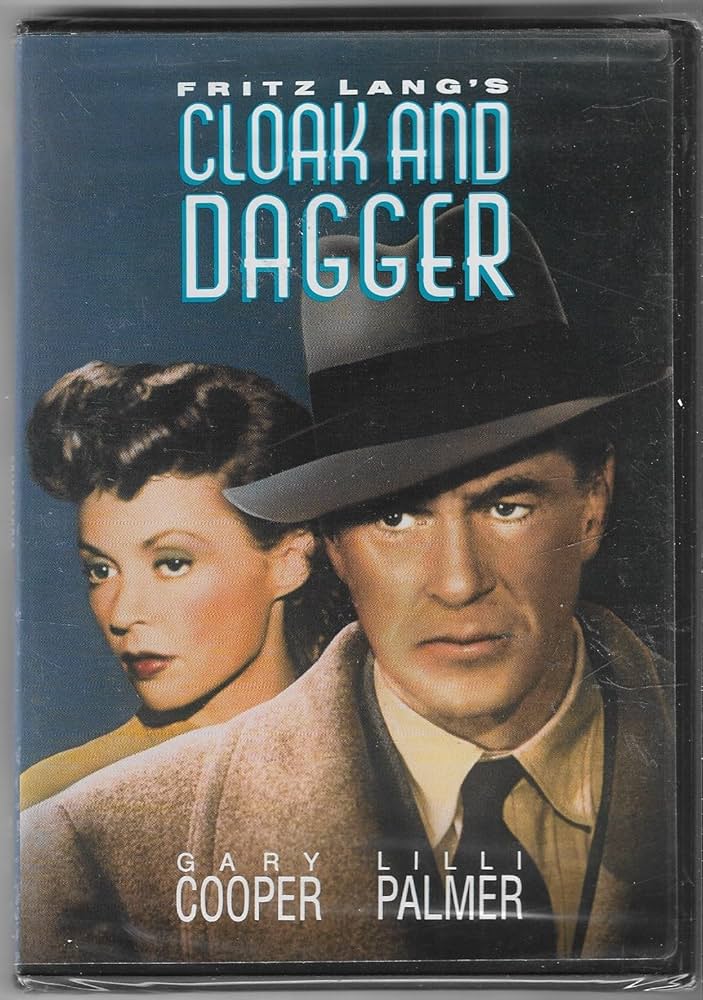
In 1946, Gary Cooper starred in a movie called Cloak and Dagger, a spy thriller about an American physicist who travels to Germany to rescue a fellow physicist held by the Nazis. Meanwhile, Cooper falls in love with a beautiful Italian woman working in the underground against the Nazis.
Same/Similar title, but the films have no other relation to each other.
4. Tagline Frenzy
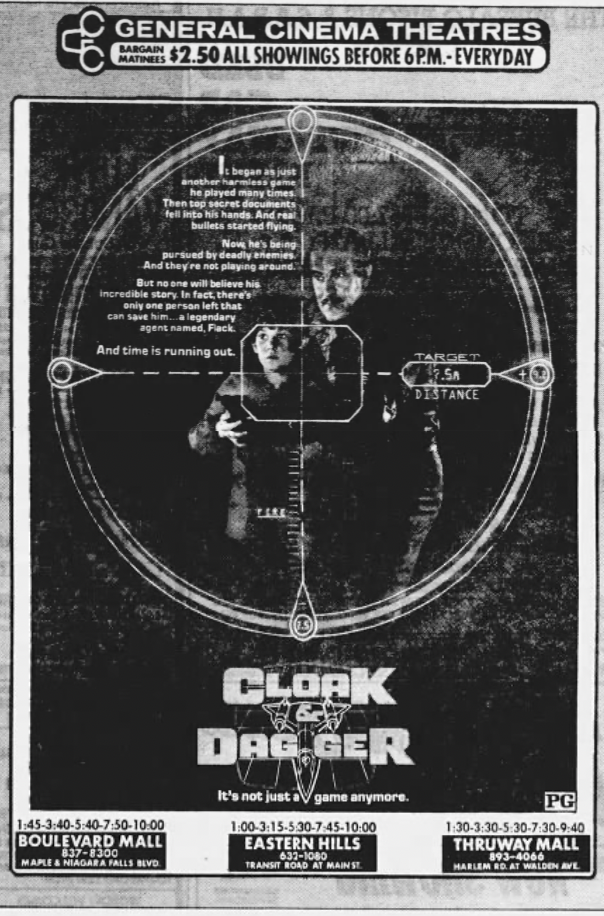
Marketers at Universal Pictures had to try a few different tags to get people in the theaters to see Cloak & Dagger.
“Davey Osborne is Playing for Keeps”
It's a reference to the game in the movie, I guess, he does play a game in the movie, but, honestly, I still don't quite understand what that's supposed to mean.
Also, there was this which may not be a tagline but it was put on posters and promotional materials so, I’m putting it here.
“It began as just another harmless game he played many times. Then top secret documents fell into his hands and real bullets started flying. Now he’s being pursued by deadly enemies, and they're not playing around. But no one will believe his incredible story. In fact, there’s only one person left that can save him… a legendary agent named Flack. But time is running out.”
Yeah, that’s on a poster and an ad.
3 Dungeons & Dragons
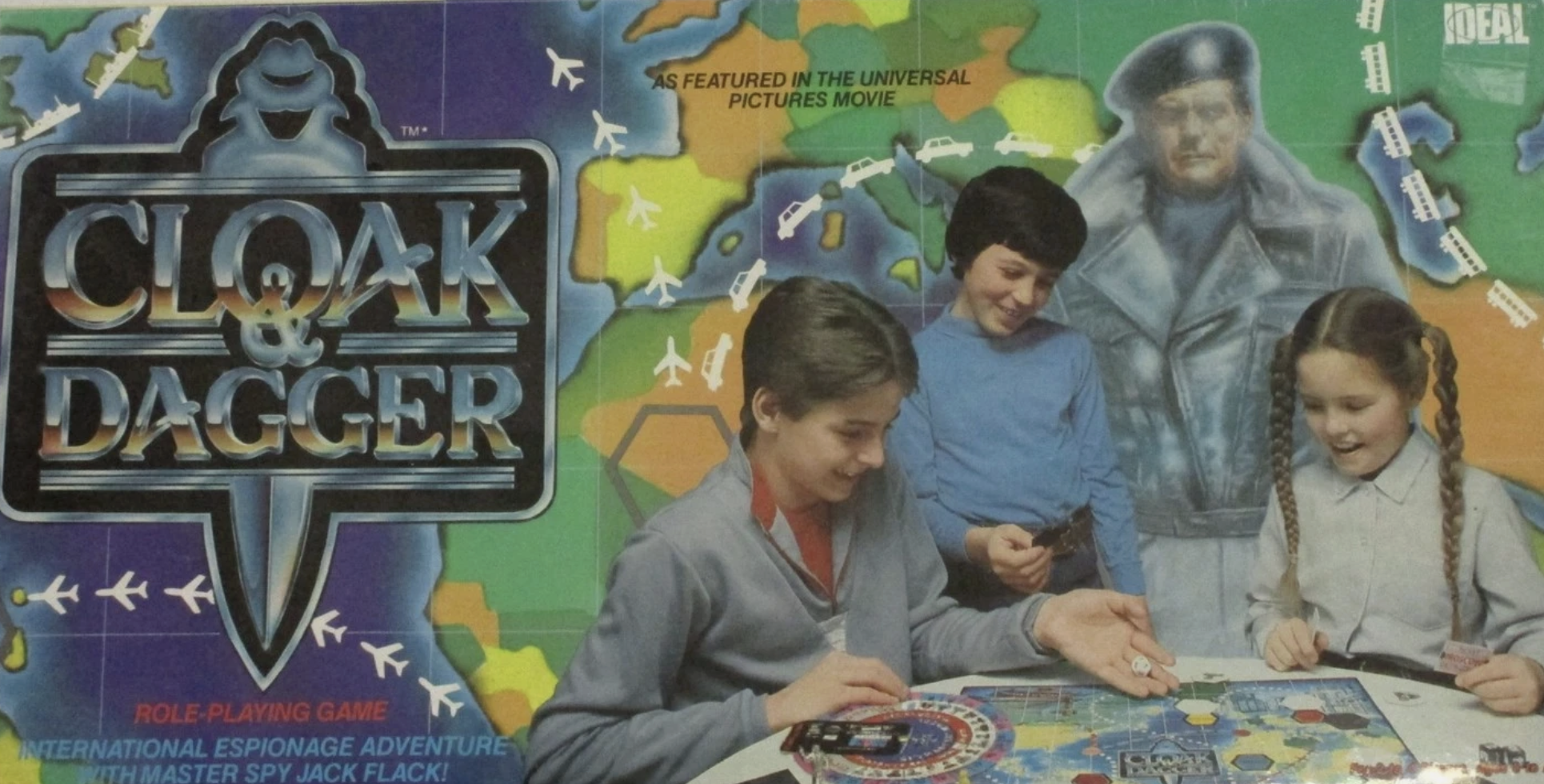
When director Richard Franklin met Henry Thomas for the first time, Thomas happened to be playing a game of Dungeons & Dragons. Taking a break from the game, Henry painted a vivid, imaginative fantasy of the game, characters and the story being told in this particular Dungeons and Dragons game. Thomas’s mother mentioned that Henry’s Dungeons & Dragons stories were vivid to him that she could lose track of whether he was talking about something real or not. And that was exactly what Franklin needed as the inspiration for Cloak & Dagger.
2 A Commercial for Atari
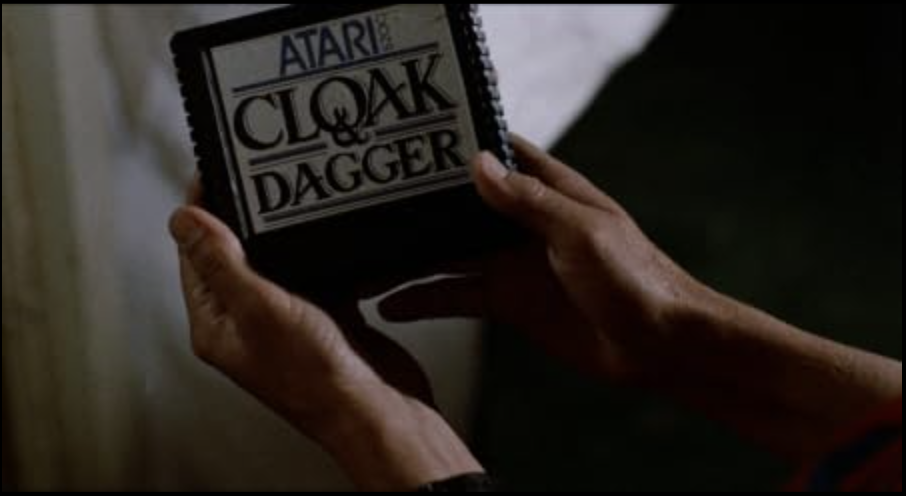
Atari was on board from the beginning of Cloak and Dagger with big plans for an arcade cabinet and an at home game mirroring the game in the movie. Unfortunately, amid the development, the video game industry, and Atari specifically hit the skids. The arcade cabinet was made, though it was a refurb of an existing cabinet rather than an original game. But the plans for the Atari 5200 game were fully cancelled by the struggles of the industry.
1 The Big Finale
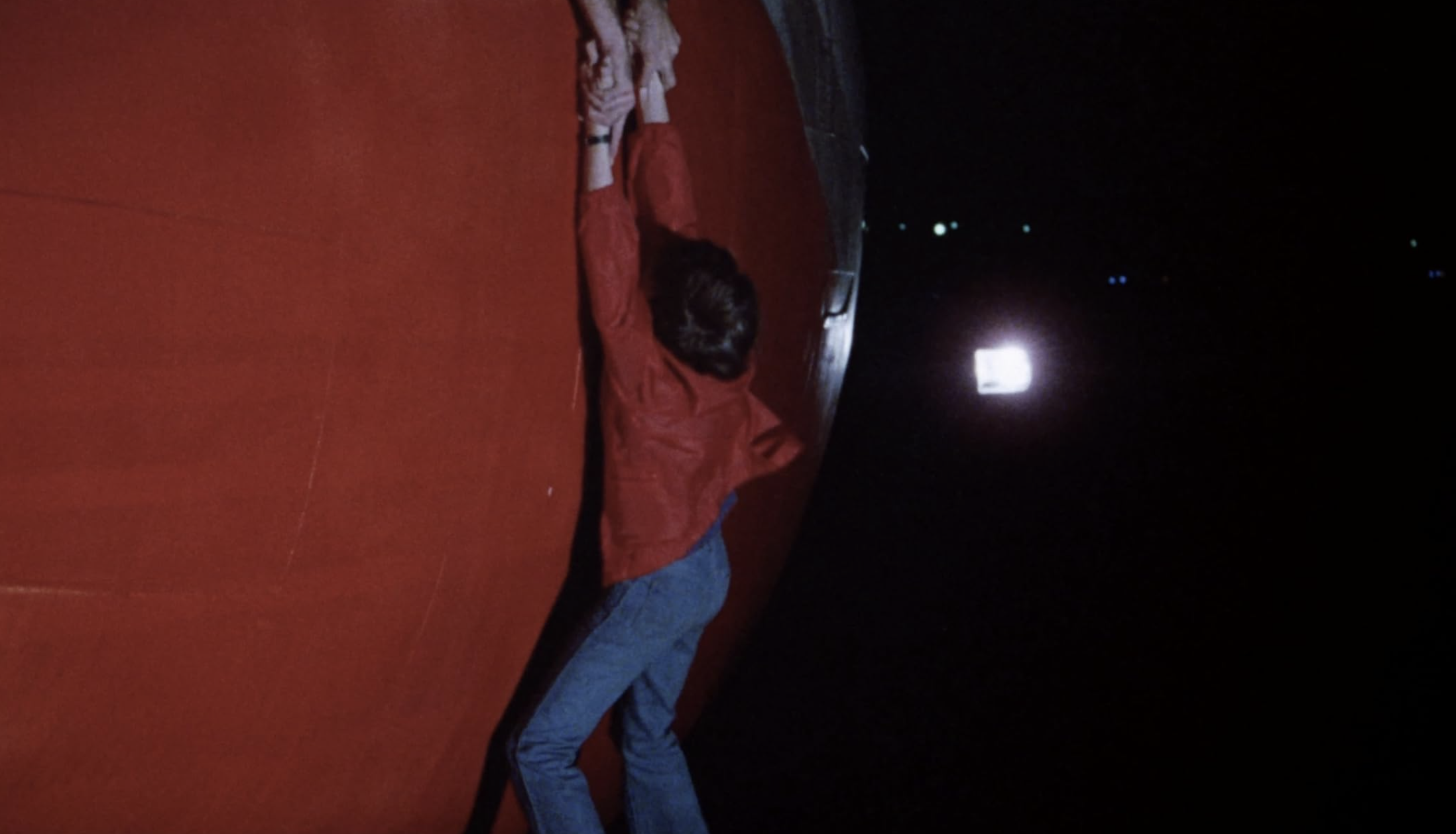
Cloak and Dagger ends at an airport with our hero, little Henry Thomas, trying to stop the bad guys from escaping with the secret plans on that Cloak and Dagger Atari game. This leads to a few exciting moments, including Henry hanging from the window of the plane. It’s a terrific set piece and how it was accomplished is a wonderful piece of movie magic.
The airport scene was set at the San Antonio Airport but it was shot in Ontario, California and it was quite a challenge. The scene was shot at night and with Henry Thomas being just 12 years old, he had to be done on set by 10 PM, leaving not much time for night shoots. In order to marry the interior of the airport and airplane with the exterior of the airplane on the runway, Production Designer William Tuntke improvised.
Per director Richard Franklin, Tuntke found a 20 foot model of an Airplane that had been used as a prop in the hit comedy, Airplane just a couple of years earlier. This allowed him to create a forced perspective set that could be lit and shot in ways that hid the time of day. In the last scenes of the movie, that airplane on the runway is a 20 foot model being pulled by a string and the practical effects are really impressive for 1984.

About the Creator
Movies of the 80s
We love the 1980s. Everything on this page is all about movies of the 1980s. Starting in 1980 and working our way the decade, we are preserving the stories and movies of the greatest decade, the 80s. https://www.youtube.com/@Moviesofthe80s
Enjoyed the story? Support the Creator.
Subscribe for free to receive all their stories in your feed.
Comments
There are no comments for this story
Be the first to respond and start the conversation.