
Why Joining a Football Club Changes More Than Just Your Fitness
football club
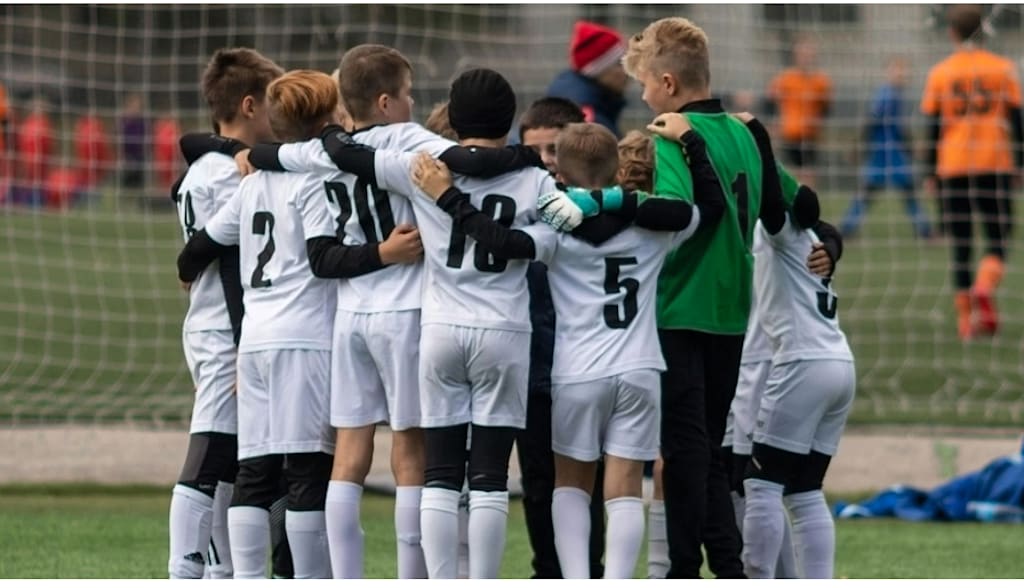
Something shifts when a person moves from watching football to actually playing it. The sport stops being entertainment and starts being demanding. It wants punctuality, physical honesty, and the ability to function within a group when tired and frustrated. Most people who join a football club for fitness reasons end up staying for reasons that have very little to do with fitness at all. That pattern repeats itself across age groups and ability levels consistently enough that it is worth understanding what is genuinely happening underneath it.
Fitness Through the Back Door
The psychological barrier that defeats most exercise routines is self-awareness. When effort is the whole activity — running for its own sake, lifting for its own sake — the mind has nothing to focus on except discomfort. Football removes that problem entirely. Reading a game, tracking movement, making decisions under pressure — it all occupies the mind completely. Players push well past the threshold they would voluntarily accept in a gym simply because the game keeps demanding it. That is not a minor trick. It is a fundamentally different relationship with physical exertion, and it sustains participation in ways that willpower alone rarely manages.
Tactics Are Genuinely Intellectual
Football is discussed publicly as though tactics only matter at the elite level. That misrepresents what every player navigates during a match. When to press, when to hold shape, where space is opening before the ball moves there — these are real-time decisions made under fatigue and pressure simultaneously. Every football club at every level is full of players working through these problems continuously, whether they frame it that way or not. The players who engage with this dimension seriously become better at thinking clearly under pressure. That skill transfers into professional and personal contexts that have nothing to do with football whatsoever.
Belonging That Cannot Be Manufactured
Workplace relationships carry hierarchy and performance anxiety beneath the surface. Social friendships can involve obligation and careful maintenance. A football club creates something less guarded than either. People see each other making mistakes, losing composure briefly, digging in when exhausted, responding to setbacks without a script. That exposure builds a kind of mutual knowledge that takes years to develop in other social contexts and seems to arrive quickly on a football pitch. The belonging that comes from it is proportionally more durable. It is one of the more underrated things the sport quietly provides to the people who stay in it.
What Young Players Actually Learn
Junior football's real developmental value is consistently framed around technical skill and physical development. Those things matter, but they are not what shapes people lastingly. What a young player is genuinely learning is how to manage the gap between their own assessment of their performance and what a coach is telling them. How to maintain composure after a visible public mistake. How to keep contributing to a collective effort when personal form is poor. There is no comfortable classroom equivalent for any of this. The child navigating these experiences on a Saturday morning is building something that transfers directly into every demanding situation that follows in later life.
Grassroots Clubs Carry Real Weight
The professional game captures attention and revenue in proportions that bear no relationship to where most football actually happens. Community clubs — run substantially on volunteer effort, managing junior and adult football simultaneously on limited resources — are where the overwhelming majority of players first encounter the sport. They are also where most people continue playing long after elite pathways have closed entirely. What these clubs carry is not just organisational function. They maintain the cultural continuity of the sport — the values, habits, and social norms that make football worth caring about at any level. That work happens because people choose to do it, not because anyone is paying them sufficiently to.
Conclusion
The things a football club genuinely provides — physical engagement without psychological resistance, tactical thinking under pressure, durable social belonging, and character development in genuinely uncomfortable conditions — are not side effects of participation. They are the actual product, even when fitness is the reason someone first shows up. Most players who stay in the game long-term do so because it keeps returning something that other parts of life do not consistently offer. That quiet exchange is what makes showing up week after week feel less like obligation and more like something worth protecting.
About the Creator
Enjoyed the story? Support the Creator.
Subscribe for free to receive all their stories in your feed.
Comments
There are no comments for this story
Be the first to respond and start the conversation.