
We're Spending $513 Million on Sport. Here's Why I Stopped Complaining
Government Sport Funding Strengthens Athlete Pathways and the Aussie Lifestyle

I'll admit it. When I first saw the headline, my reaction wasn't patriotic pride. It was a small, grumpy "Are you serious?"
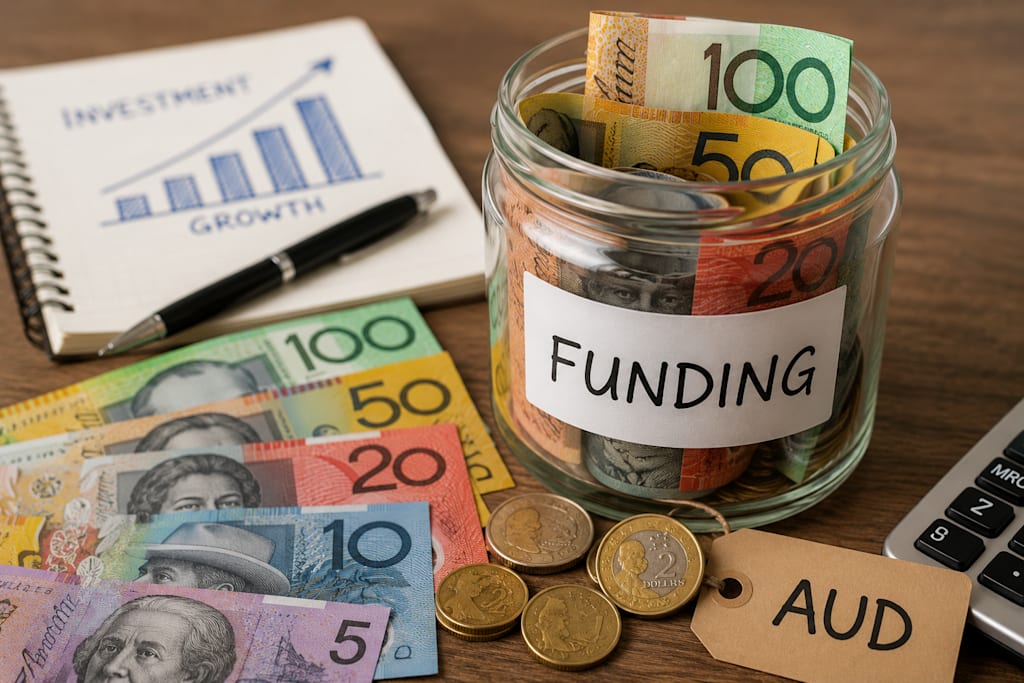
Half a billion dollars. On sport. At a time when people I know are rationing their grocery shops and putting off dentist trips because the budget won't stretch. My gut said that money could surely do more good somewhere with a longer queue and a louder need. I suspect plenty of you felt the exact same flicker of irritation.
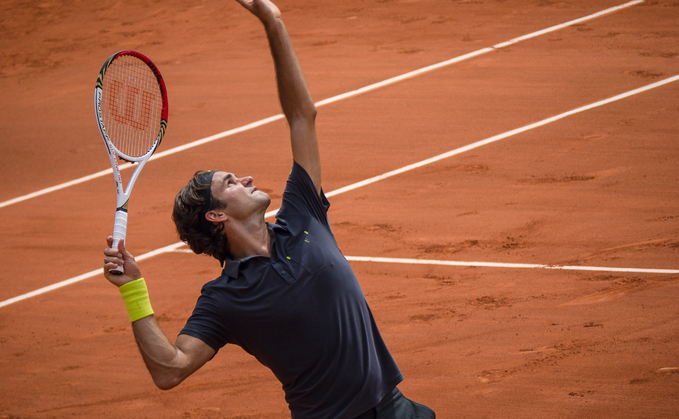
So I sat with the annoyance for a bit. And then I actually read into what the money does. I'm not fully converted, but I've talked myself most of the way around, and I think it's worth explaining why.
What we're actually talking about
The short version. The federal government has committed a record $513 million to Australian sport over two years. It's a lift from the previous round, which came in around $489 million, and the stated aim is to set the country up for Los Angeles in 2028, the 2030 Winter Games, and the big one, Brisbane 2032, on home soil.
My first instinct was to file all of that under "elite vanity project." Medals for the telly, basically. If you want the full breakdown of where every dollar is pointed, the team at The Aussie Way laid it out clearly, and reading their rundown is genuinely what started to shift my thinking. Read the full story here.
The point where I softened
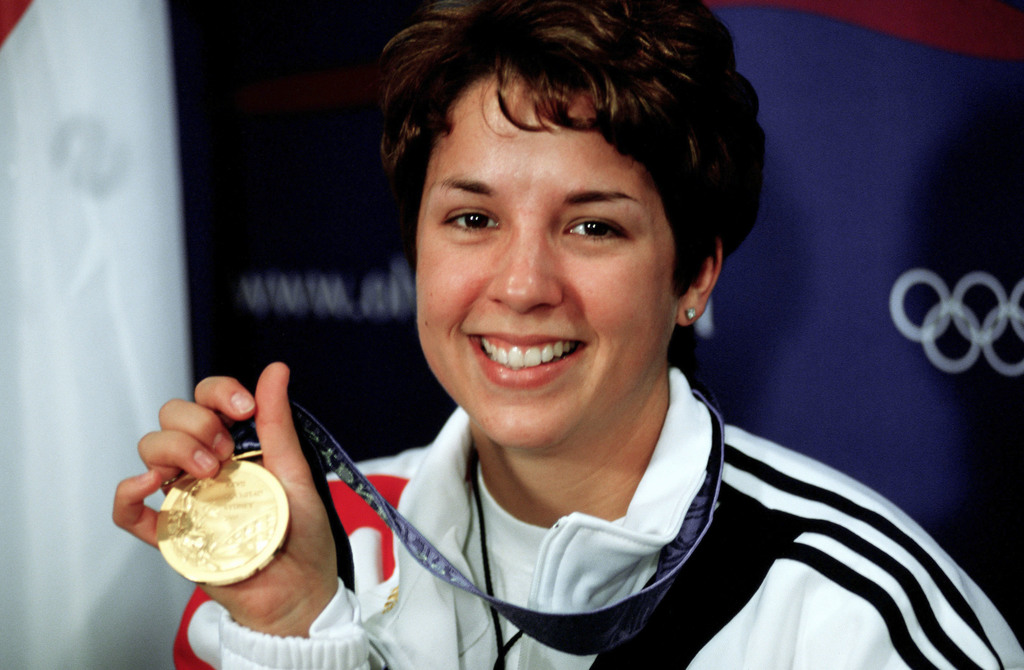
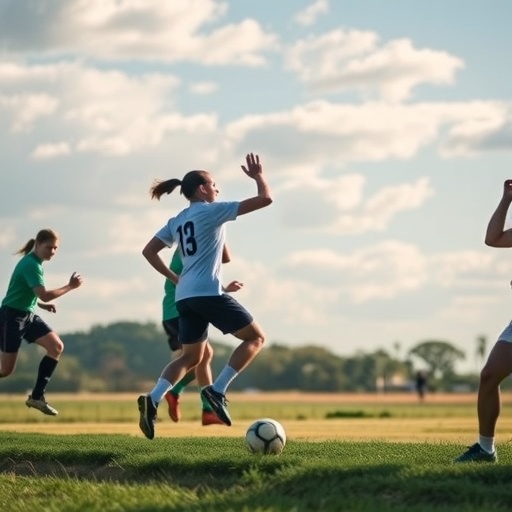
Because it turns out the money isn't all funnelled to a handful of star athletes chasing gold. A real chunk of it goes to the unglamorous end. Participation programs. Community clubs. The schemes that put kids into sports for the first time and try to keep local organizations from quietly folding.
That reframed it for me. I'd been picturing a sprinter on a podium. I should have been picturing a nine-year-old at a come-and-try day or a regional club that can finally afford a proper coach. That's not vanity. That's infrastructure for ordinary life.
It was never really about medals
Here's what eventually won me over, and I say this as someone with no athletic talent whatsoever. Sport in this country isn't a luxury bolted onto the culture. It kind of is the culture.
It's where a lot of us learn to turn up, to lose without spitting the dummy, and to belong to something bigger than our own lounge room. There's a health angle too, and not just the physical kind. Being part of a club; having a reason to leave the house on a Saturday; knowing a few people will notice if you don't show—that stuff matters more for how we're all coping than we usually admit.
So when you fund sport, properly, at the grassroots, you're not really funding sport. You're funding a way of living that keeps people active, connected, and a little less isolated. Put like that, half a billion over two years starts to look less like indulgence and more like maintenance on something we'd badly miss if it crumbled.
The catch I'm still watching
I'm not going to pretend I'm completely sold, because I'd be lying and you'd smell it.
My one lingering worry is the same one that follows every big announcement like this. The elite end is shiny and easy to celebrate, and there's always a risk it soaks up the attention while the grassroots quietly do the heavy lifting on a fraction of the budget. Announcements are cheap. Follow-through is the hard part.
The real test won't be the medal tally at Brisbane 2032. It'll be whether the club down your road is in better shape in five years than it is today. Whether more kids are playing, not fewer. Whether the volunteers running the whole thing feel backed instead of taken for granted.
So, where I've landed
I went in ready to complain, and I've come out cautiously okay with it. Not cheering, exactly. More like nodding slowly.
If this money mostly props up trophies, I'll feel a bit cheated. But if it does what the detail suggests it might, keeping community sport alive and pulling more people into it, then it's the rare kind of government spending I won't grumble about. The kind that shows up not in a headline but in a packed local ground on a cold morning years from now.
I didn't expect to defend a sports funding announcement this week. Yet here we are.
About the Creator
Kate Brownell
Independent Teacher, Freelance Writer, Conservationist, Eco Friendly Environment Crusader. A life hack writer by choice. Published articles on Ezines and Lifehacker.
Enjoyed the story? Support the Creator.
Subscribe for free to receive all their stories in your feed.
Comments
There are no comments for this story
Be the first to respond and start the conversation.