
U4gm MLB The Show 26: Pitching for Disruption, Not Just Outs
MLB The Show 26: Pitching for Disruption, Not Just Outs.

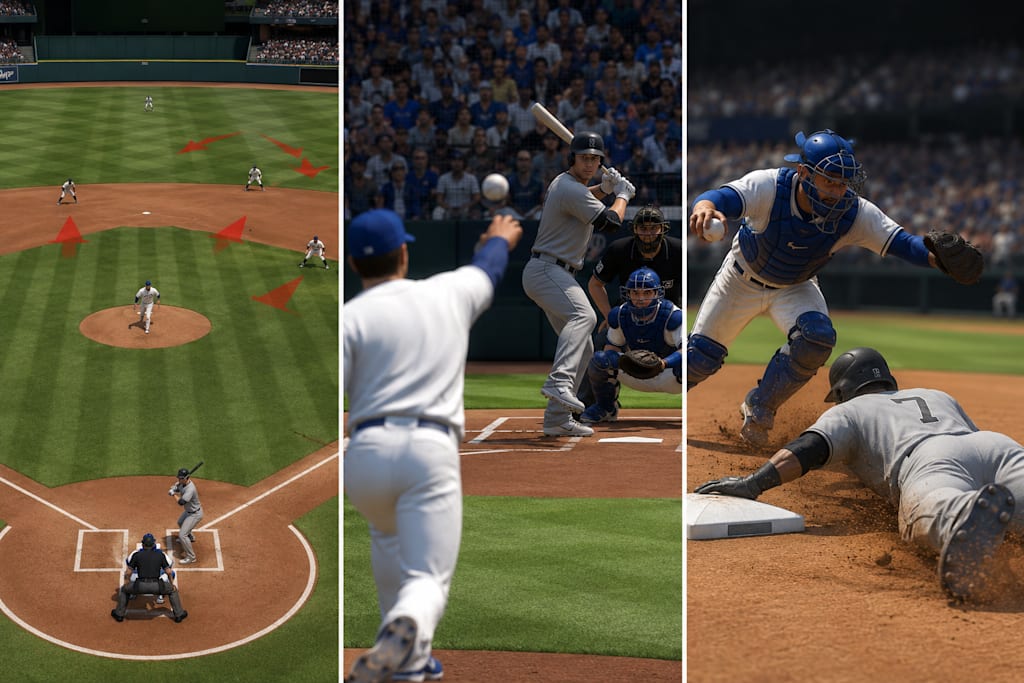
In MLB The Show 26, the rise of ultra-fast, bunt-heavy lineups has reshaped ranked play into something far more tactical than traditional baseball. Since Game Update 10, the competitive meta has split into two clear identities: power-focused lineups trying to win through extra-base damage, and small-ball squads built entirely around speed, drag bunts, and constant pressure on the infield.
What makes this style frustrating isn’t the existence of bunting itself. It’s that, when defended passively, it becomes an almost automatic way to manufacture runs. The real adjustment isn’t about faster reactions—it’s about fundamentally changing how defense is conceptualized. Instead of reacting to contact, elite defense begins by controlling space, tempo, and hitter intent before the pitch is even thrown.
1. Defend the First Step, Not the Bunt
Most players treat bunt defense as something that starts when the pitcher releases the ball. At that point, it’s already late. Against high-speed, bunt-heavy lineups, the real defensive work begins in the pre-pitch setup.
In these matchups, infield positioning cannot remain static. First and third basemen in particular need to be treated as active deterrents rather than passive fielders. Bringing them in early closes down the most common drag bunt lanes before the ball is even in play.
The goal is not simply to field the bunt cleanly. The goal is to remove “safe geometry” from the hitter’s decision tree. When every down-the-line angle looks risky, even perfect bunters are forced into hesitation or less optimal contact attempts.
Good bunt defense doesn’t wait for execution. It collapses intent before execution becomes comfortable.
2. Pitching Should Disrupt Mechanics, Not Just Chase Outs
A common mistake against bunt-heavy teams is trying to “beat” the bunt with soft contact pitches in the strike zone. That approach plays directly into the opponent’s plan. Drag bunters thrive on predictable timing, controlled bat paths, and low-risk swings.
A more effective counter is disruption pitching.
High-velocity fastballs up in the zone, tight inside cutters, and elevated pitch sequences serve a purpose beyond strikeouts. They interfere with the hitter’s ability to square the bat cleanly. Even when contact is made, it becomes unstable—leading to pop-ups, weak deflections, or mistimed foul balls.
This approach reframes pitching entirely. The objective is not simply to avoid hits. It is to break the hitter’s mechanical comfort so consistently that bunting becomes unreliable rather than routine.
When the batter never feels fully set, the bunt meta loses its stability.
3. Outs Are Built Across Sequences, Not Single Plays
Even when a bunt succeeds and a runner reaches first, the defensive response should not become rushed or reactive. That is exactly where speed-based teams gain their edge—by forcing urgency, panic throws, and predictable reactions.
The real advantage comes from sequencing pressure.
Teams that rely on bunting and speed are rarely just trying to reach base. They are attempting to chain pressure events together: stolen bases, defensive misreads, and forced throwing errors. The counter is to interrupt that chain before it accelerates.
Pitchouts, step-offs, and deliberate tempo changes are not just anti-steal tools—they are psychological disruptors. They signal that the game plan has been read. Once that awareness is established, aggressive baserunning becomes less automatic and more hesitant.
And hesitation is what breaks speed-based strategies more than any perfect throw ever will.
The biggest misunderstanding in anti-bunt defense is treating it as a collection of isolated plays. In reality, it is a tempo war.
Speed-heavy lineups win by forcing repetition: bunt, run, advance, repeat. In MLB The Show 26, the defensive answer is to interrupt that rhythm so consistently that the pattern never stabilizes, turning speed pressure into wasted outs instead of easy MLB The Show 26 Stubs.
Once that rhythm is broken, the strategy stops being oppressive—not because of one perfect defensive highlight, but because the system never gets the chance to fully activate.
About the Creator
lalo
From upcoming releases to in-depth reviews and tips,We keep gamers informed, engaged, and ready to level up their experience.
https://linktr.ee/dangy6c
Enjoyed the story? Support the Creator.
Subscribe for free to receive all their stories in your feed.
Comments