
U4gm Diablo IV Season 13: Rethinking Solo Survival Against the Echo of Mephisto
Diablo IV Season 13: Rethinking Solo Survival Against the Echo of Mephisto .

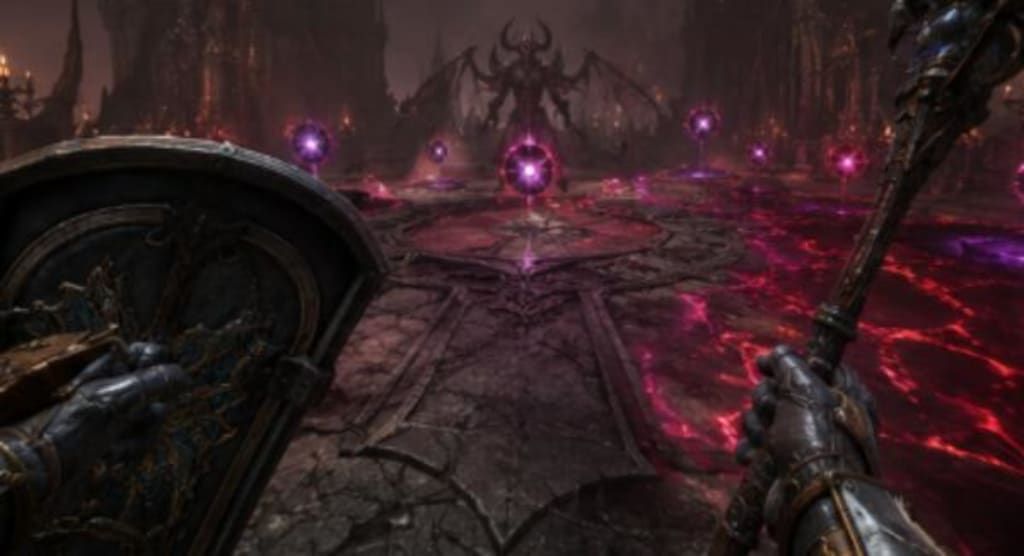
In Diablo IV Season 13, the Echo of Mephisto is often framed as a mechanical, reaction-heavy boss fight. Dodge patterns, avoid beams, burst windows—on the surface, it looks like a test of reflexes. But for solo players, especially those pushing it without consistent external support, the real challenge runs deeper.
It’s not just a combat encounter. It’s a resource management problem under pressure.
Once you stop treating it as pure survival and start viewing it as a system of limited resources—health, cooldowns, mercenary uptime, and positioning—the entire fight changes shape. It becomes less chaotic, more structured, and surprisingly predictable.
Survival Is a Budget, Not a Reflex
Most players enter the fight thinking in familiar terms: learn mechanics, avoid damage, deal DPS. But the Echo of Mephisto punishes that mindset because of how quickly “Hatred Corruption” stacks escalate.
Your health bar isn’t just a survival indicator—it’s a budget.
Every unnecessary hit is overspending. Every potion is a withdrawal from future stability. The goal isn’t to play perfectly. The goal is to ensure your “spending rate” never exceeds your recovery rate over time.
Solo players struggle here the most. Without external healing or group utility, small mistakes don’t stay small—they compound. One misstep early can silently bankrupt the entire fight later.
Mercenary Uptime as a Second Economy
Season 13’s mercenary system adds a second layer of resource management: defensive uptime.
A Paladin mercenary built for survivability is not just an assist—it’s a rotating defensive asset. Skills like Holy Aegis function as emergency liquidity, converting lethal moments into temporary safety windows.
But most players misplay this system by treating it like a panic button instead of a planned cycle.
The real question isn’t “Can my merc save me?”
It’s “When is my merc actually available to save me?”
If you don’t track uptime windows, cooldown sync, and positioning alignment, you lose a defensive layer without realizing it.
Positioning Is Risk Distribution
The arena itself is a risk map.
Corruption zones, beams, and projectile patterns are not just attacks—they are spatial liabilities. Standing still or overcommitting damage concentrates risk into a single point until it becomes unmanageable.
Good players distribute risk across space.
Sending your mercenary to the opposite side of the arena isn’t just tactical—it’s economic. It forces threat dispersion and indirectly reduces pressure on your position. You’re no longer absorbing all risk in one location.
First-Person Experience: The First Breakdown
My first few attempts were pure chaos. I played aggressively, burning defensive cooldowns early to “gain tempo.” It felt strong—until it wasn’t.
By the time Mephisto reached his final phase, I had nothing left. No immunity. No mercenary safety window. No space to reset. I wasn’t being outplayed mechanically—I had simply run out of resources.
It wasn’t a skill issue in the traditional sense. It was bankruptcy.
First-Person Experience: The Controlled Run
On my next attempt, I changed nothing about my damage—but everything about my pacing.
I started tracking cooldowns mentally like a budget ledger. I stopped reacting instantly to every threat and instead asked a simple question: Is this worth spending a resource on?
For the first time, the fight developed rhythm. I wasn’t panicking through phases—I was managing them.
Mercenary cooldowns lined up with dangerous overlaps. My health stayed stable instead of oscillating wildly. Even the final phase felt less like survival and more like execution.
It wasn’t easier. It was just controlled.
The Final Phase: Where Systems Collapse or Hold
The last 25% of the fight is where all resource decisions become visible.
If you arrive with no cooldown alignment, no mercenary timing, and poor positioning discipline, the encounter collapses quickly. There is no recovery buffer.
But if your resources have been managed correctly, this phase stops being a survival check. It becomes a clean execution window.
Soloing the Echo of Mephisto in Diablo IV is often described as a test of reflexes or build strength. But underneath that surface lies something more important: resource discipline.
Health, cooldowns, mercenary uptime, and positioning are not separate mechanics—they are one shared economy.
About the Creator
lalo
From upcoming releases to in-depth reviews and tips,We keep gamers informed, engaged, and ready to level up their experience.
https://linktr.ee/dangy6c
Enjoyed the story? Support the Creator.
Subscribe for free to receive all their stories in your feed.
Comments