
The Forgotten Consoles That Tried (and Failed) to Dethrone Nintendo
Before Sony and Microsoft changed the game, a graveyard of ambitious hardware dared to challenge the king.

In the late 1980s and early 1990s, Nintendo wasn’t just a video game company. It was the entire industry. With the Nintendo Entertainment System (NES) and the Super Nintendo (SNES) sitting in millions of living rooms, the company held a near-total monopoly on home gaming.
To competitors, Nintendo looked like a giant waiting to be toppled. Everyone from toy makers to massive electronics conglomerates wanted a piece of that lucrative pie. While Sega famously put up a legendary fight with the Genesis, and Sony eventually stole the crown with the PlayStation, dozens of other challengers stepped into the ring—only to be completely forgotten by history.
Here is a look back at the ambitious, weird, and doomed consoles that tried to dethrone Nintendo and failed miserably.
1. The NEC TurboGrafx-16 (1989)
In Japan, the PC Engine was a massive hit that genuinely threatened Nintendo’s dominance. Naturally, electronics giant NEC assumed that success would translate easily to North America. They rebranded the sleek, tiny white console into a bulky, matte-black beast called the TurboGrafx-16 and launched it in 1989.
On paper, it had a huge advantage: it was the first console of the 16-bit era to hit Western shelves, beating the Sega Genesis by a few weeks and the SNES by two years. Instead of bulky cartridges, games came on sleek, credit-card-sized "HuCards."
Why it failed: NEC completely misread the American market. While Sega aggressively marketed the Genesis as the "cool, edgy" alternative for teenagers, NEC’s marketing was awkward and confusing. Worse, the TurboGrafx-16 only had one controller port built into the machine—meaning if you wanted to play with a friend, you had to buy a separate multi-tap adapter. Combined with a lack of big-name sports titles and Nintendo’s strict third-party exclusivity contracts, the TurboGrafx-16 faded away into obscurity.
2. The Philips CD-i (1991)
If you want to understand how bizarre early 90s tech could get, look no further than the Philips CD-i. Originally designed as an interactive multimedia player rather than a pure gaming machine, Philips pitched it as an all-in-one entertainment hub that could play music, run educational encyclopedias, and play video games on shiny new compact discs.
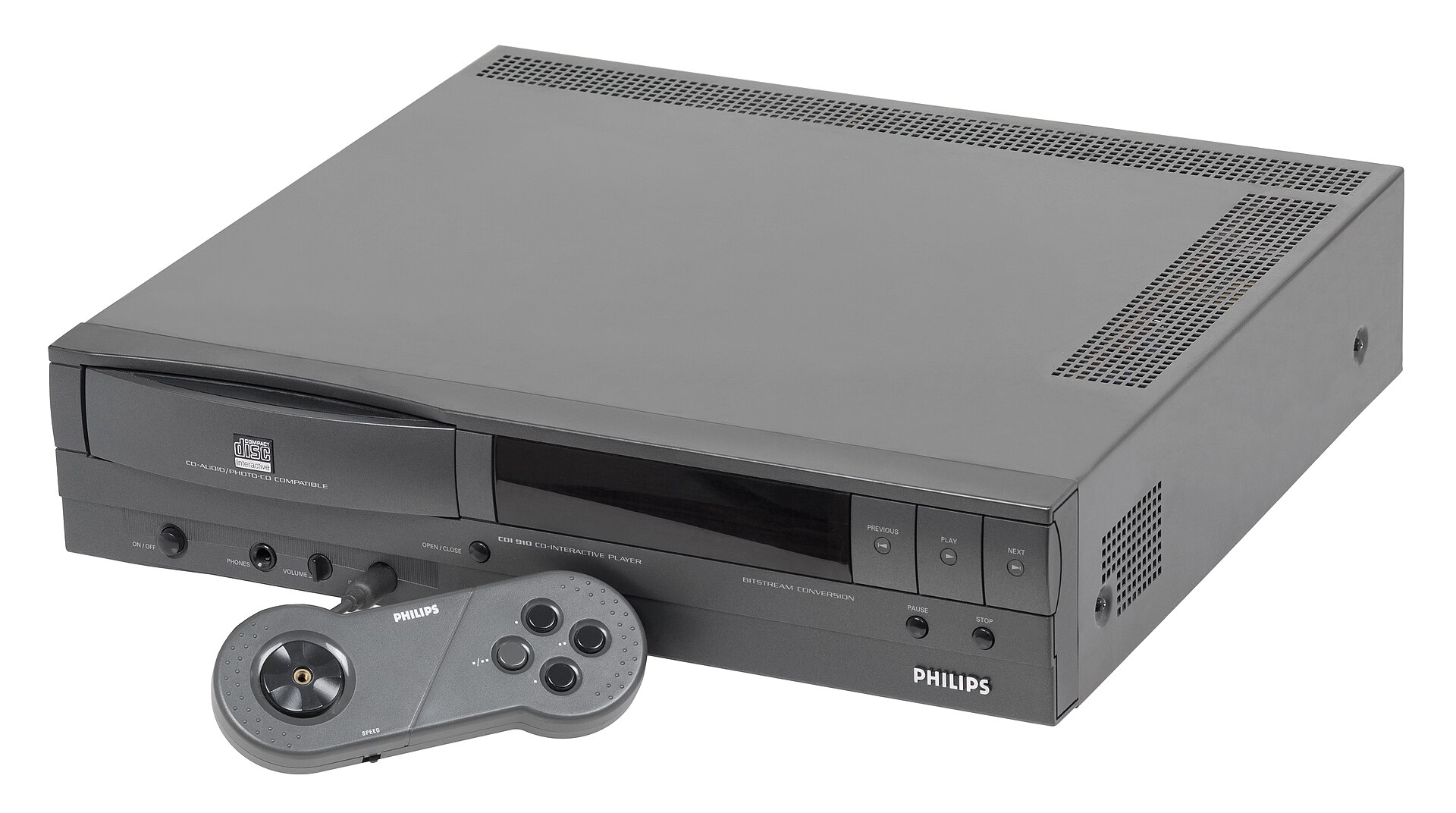
Ironically, the CD-i only exists because of a failed partnership between Nintendo and Sony. After Nintendo famously backed out of a deal to make a CD add-on for the SNES with Sony, Nintendo briefly teamed up with Philips. That deal also fell apart, but Philips walked away with the legal rights to use Nintendo characters in a handful of games.
Why it failed: Launching at a staggering $700 (well over $1,500 in today’s money), the CD-i was priced far out of reach for normal families. Its standard controller looked like a clunky TV remote with a tiny thumbstick, making action games nearly unplayable. Most infamously, the licensed Nintendo games Philips produced—like Hotel Mario and three Legend of Zelda spin-offs—were so horribly animated and poorly designed that Nintendo still refuses to acknowledge they exist.
3. The 3DO Interactive Multiplayer (1993)
Founded by Trip Hawkins, the visionary behind Electronic Arts, the 3DO wasn’t just a console—it was a revolutionary business model. Instead of manufacturing the hardware themselves, the 3DO Company licensed the technical specs to major electronics brands like Panasonic, GoldStar, and Sanyo. The idea was to create a universal gaming standard, much like VHS tapes or DVD players.
When it launched in 1993, the 3DO was a technical marvel. It boasted true 32-bit 3D graphics and CD-quality audio at a time when Nintendo was still relying on 16-bit cartridges.
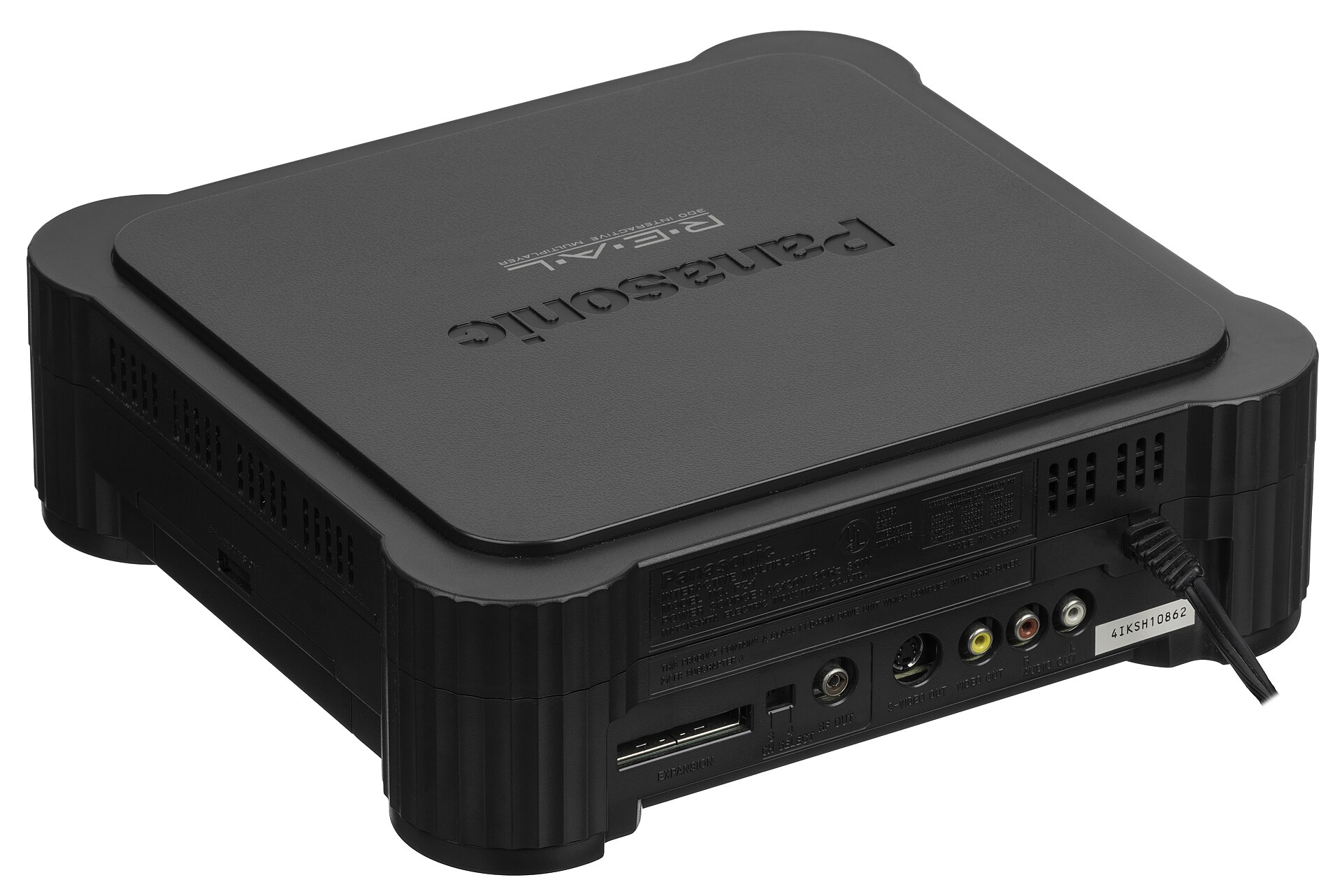
Why it failed: Because Panasonic and other manufacturers weren't making money off game sales, they had to make their profit directly from the hardware. As a result, the 3DO launched at an eye-watering $699.99. No matter how impressive the graphics were, parents simply weren't going to spend $700 on a video game system when a Super Nintendo cost under $150. By the time Sony launched the PlayStation two years later at $299, the 3DO was dead in the water.
4. The Atari Jaguar (1993)
After crashing and burning in the mid-80s, Atari desperately wanted its crown back. In 1993, the company bet the entire farm on the Atari Jaguar, aggressively marketing it with one bold slogan: "Do the Math."
While Nintendo and Sega were stuck in the 16-bit era, Atari claimed the Jaguar was the world’s first 64-bit gaming system. It looked futuristic, had a massive, intimidating controller covered in a telephone-style number pad, and promised arcade-perfect 3D worlds.
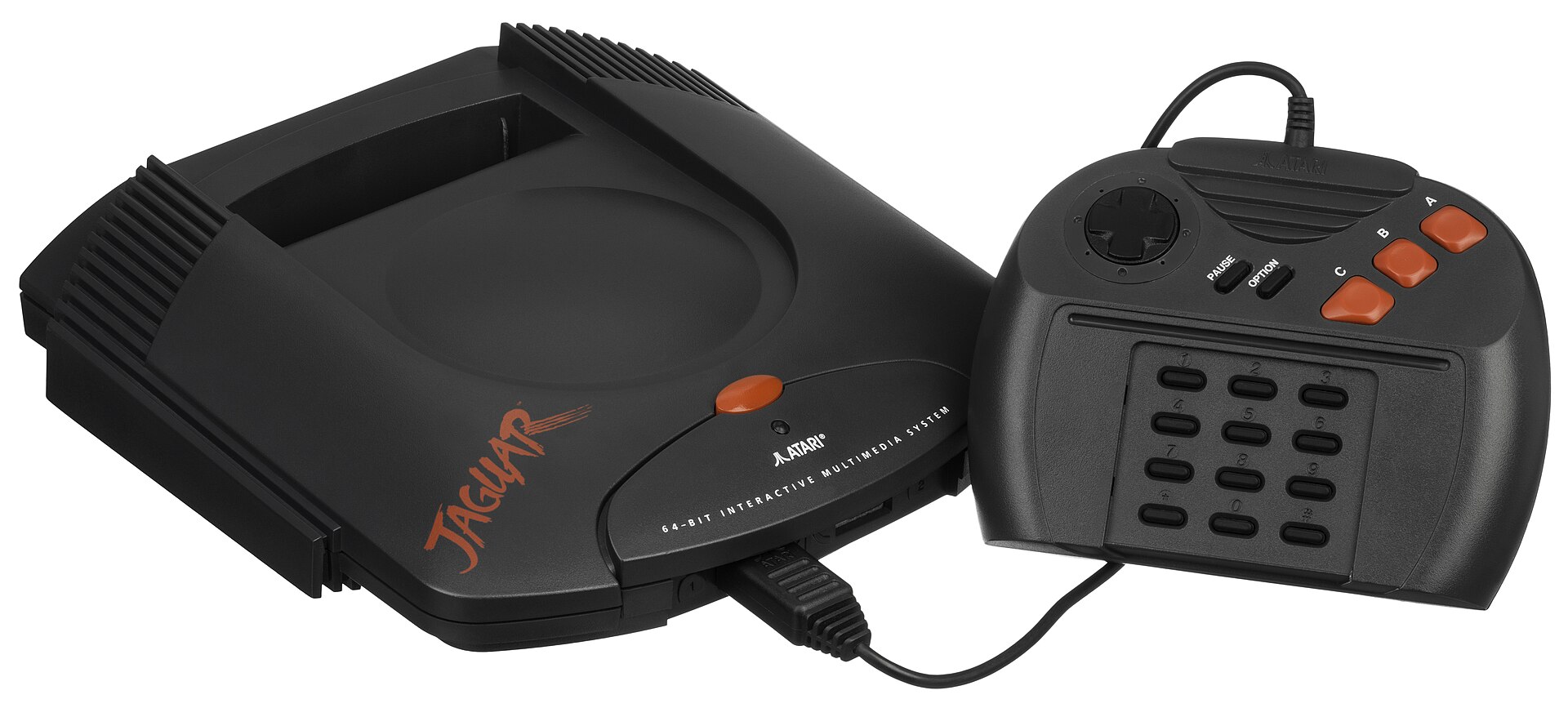
Why it failed: Atari’s "64-bit" claim was mostly smoke and mirrors. The console actually used two 32-bit processors working together, a notoriously complex architecture that developers hated programming for. As a result, most Jaguar games looked barely better than what the Super Nintendo was already doing. Combine difficult hardware with a tiny library of mediocre games and an uncomfortable controller, and the Jaguar became Atari’s final, fatal hardware gamble.
The Legacy of the Challengers
Looking back, it’s easy to laugh at the $700 price tags and bizarre controllers of these forgotten machines. Yet, every single one of them pushed the industry forward. They forced Nintendo to innovate, proved that CDs were the future of gaming, and paved the way for 3D graphics.
They may have lost the war, but without these ambitious underdogs, video game history would be a whole lot less interesting.
Editor’s Note: This article was co-created using AI assistance from Google AI for drafting and research structure, in compliance with Vocal’s community standards
About the Creator
Matthew A
Matthew is the author of Battles of the Pacific War 1941-1945. Battles of the Pacific War is available on Amazon and Lulu in e-book and paperback formats. Check out the book’s blog at battlesofthepacificwar.blogspot.co.uk.
Enjoyed the story? Support the Creator.
Subscribe for free to receive all their stories in your feed.
Comments
There are no comments for this story
Be the first to respond and start the conversation.