
The Company Is the Corporate Life Simulator You Didn’t Expect to Get Addicted To
The Company Review – A Surprisingly Addictive Office Sim

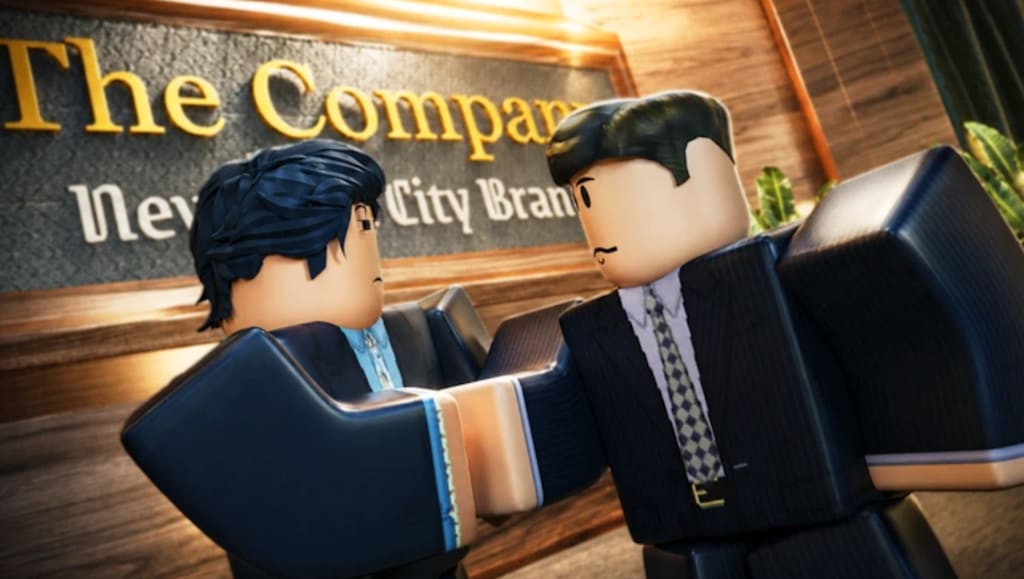
The idea of turning office life into a video game sounds like something that should fail immediately. Meetings, promotions, office politics, networking, awkward coworkers, endless ambitions — on paper, it almost sounds too close to real life to actually be fun. And yet somehow, The Company manages to turn the corporate grind into a genuinely entertaining experience that’s hard to put down once you settle into its rhythm.
At first glance, the game looks like another social roleplay simulator with a business-themed coat of paint. But after spending time with it, you start realizing there’s a lot more going on beneath the surface. There’s strategy, competition, customization, progression, and surprisingly tense social interactions that feel straight out of a real workplace. One minute you’re sitting in a meeting trying to impress management, and the next you’re negotiating deals while quietly plotting your climb toward executive leadership.
That balance between simulation and entertainment is exactly what makes The Company stand out.
A Workplace That Actually Feels Alive
One of the first things that hits you in The Company is how active and dynamic the environment feels. Offices in games are usually just background decoration, but here they become the center of everything. Employees move around constantly, meetings are happening, departments are growing, and people are all trying to push their own careers forward.
It creates this weirdly immersive atmosphere where you stop thinking about “levels” or “quests” and start thinking more like an actual employee trying to survive in a competitive company. You begin paying attention to reputation, networking, and how other players perceive you.
And honestly, that’s where the game becomes dangerous in the best way possible.
You tell yourself you’ll just play for twenty minutes. Then suddenly two hours disappear because you got pulled into negotiations, office drama, or another promotion opportunity. It taps into that same satisfying progression loop you find in management sims, except here the social side plays an even bigger role.
The game constantly pushes you to think ahead. Do you focus on building influence? Do you specialize in one department? Do you play nice with coworkers or become ruthlessly ambitious? Different approaches actually change how your experience unfolds.
Climbing the Corporate Ladder Feels Surprisingly Rewarding
A lot of progression systems in simulation games can feel shallow. You complete tasks, numbers go up, and eventually you unlock a title that barely changes anything. The Company avoids that trap by making promotions feel meaningful.
Every step upward comes with more responsibility, more visibility, and usually more pressure.
When you first enter the company, you feel small. You’re learning systems, figuring out departments, trying not to embarrass yourself during meetings. But after a while, people start recognizing your name. Suddenly your choices matter more. Your influence expands. Other employees start treating you differently.
That gradual transformation is incredibly satisfying.
The promotion system also encourages long-term play because reaching executive leadership actually feels like an achievement instead of a simple grind. You’re not just farming XP mindlessly. You’re building a reputation inside an ecosystem full of competitors.
There’s also something funny about how seriously players start taking their virtual office careers. You’ll see heated discussions about strategy, department efficiency, and company expansion like people are debating real-world business operations.
And somehow it works.
Meetings Are More Entertaining Than They Should Be
No one in real life has ever said, “I can’t wait for another meeting.” Yet The Company somehow turns workplace events into engaging gameplay moments.
Meetings create opportunities for interaction, influence, and sometimes complete chaos depending on the people involved. Some players show up prepared and professional. Others arrive ready to argue, joke around, or aggressively push their agendas.
That unpredictability gives the game personality.
The social systems are probably the strongest part of the experience overall. While there are structured objectives and progression mechanics, the real stories come from interactions between players. Rivalries form naturally. Alliances happen unexpectedly. Office politics emerge without the game forcing them.
At one point, I watched a simple departmental disagreement spiral into a full corporate power struggle involving half the server. It sounds ridiculous, but moments like that are exactly why people keep coming back.
The game creates situations where players generate their own entertainment instead of relying entirely on scripted systems.
Customization Adds a Personal Touch
One thing that helps The Company feel more immersive is the ability to customize your office space. It may sound like a small feature, but having a personalized environment makes progression feel more tangible.
As you move higher within the company, your workspace evolves alongside your status. You stop feeling like just another employee squeezed into a random cubicle.
Some players go for sleek executive aesthetics with modern furniture and minimalist designs. Others create absolute chaos with decorations everywhere. It becomes another way to express personality inside the corporate ecosystem.
The customization system also gives players extra motivation to keep progressing financially. You’re not only working toward promotions — you’re building a space that reflects your success.
There’s a subtle psychological trick happening there, and it works extremely well.
The Role Variety Keeps Things Fresh
Another major strength of The Company is the variety of departments and roles available. The game doesn’t trap everyone into identical gameplay loops. Different positions come with different priorities and responsibilities, which helps the experience avoid becoming repetitive.
Some players focus heavily on strategy and influence. Others prefer social networking. Some enjoy management roles while others thrive in support departments. Because of that flexibility, the game appeals to multiple playstyles at once.
That’s important for a social simulator like this.
Games built entirely around one mechanic usually lose momentum quickly, but The Company keeps introducing new layers as you move through the organization. The further you climb, the more systems open up.
It creates this constant sense of forward momentum.
And honestly, there’s something genuinely satisfying about seeing a company expand into new cities because of collective player effort. The scale slowly grows larger, making the world feel like it’s evolving over time instead of staying static.
Office Politics Become the Real Endgame
The funniest thing about The Company is that eventually the actual business mechanics stop being the main attraction.
The real game becomes the people.
Who’s trustworthy? Who’s secretly trying to undermine you? Which departments are fighting for influence? Who’s building alliances behind the scenes?
The social dynamics become incredibly entertaining because players naturally bring their personalities into the workplace environment. Some become ultra-professional corporate climbers. Others intentionally create drama for fun. Some players become respected leaders, while others turn into office legends for completely chaotic reasons.
And because promotions and influence actually matter, those relationships have consequences.
That’s what separates The Company from simpler roleplay experiences. Actions carry weight. Reputation matters. Social strategy becomes just as important as gameplay knowledge.
It almost feels like a giant multiplayer social experiment disguised as a corporate simulator.
The Grind Can Be Real Sometimes
Of course, the game isn’t perfect.
Depending on your role and goals, progression can occasionally feel repetitive, especially during longer sessions. Some tasks inevitably start blending together after several hours of play. There are moments where the corporate realism gets a little too realistic.
Ironically, that’s both a strength and a weakness.
If you enjoy structured progression and workplace simulation, you’ll probably appreciate the slower pacing. But players looking for nonstop action may lose patience during quieter periods.
The experience also depends heavily on the community. Great servers with active players can turn The Company into one of the most entertaining social sims around. Less active environments can make the world feel emptier than intended.
Still, when everything clicks, the game becomes surprisingly immersive.
Codes Give Players an Extra Boost
Like many popular online games, The Company also features redeemable codes that can provide various rewards and bonuses. Players are constantly searching for new codes because they can offer useful boosts, cosmetic items, or progression advantages that help accelerate your rise within the company.
The developers appear to understand how important these rewards are for keeping the community engaged. New codes often generate excitement among players, especially during updates or special events.
If you plan to spend serious time climbing the corporate ladder, keeping an eye out for active The Company codes is definitely worth it.
A Surprisingly Clever Take on Modern Work Culture
What makes The Company especially interesting is how closely it mirrors modern workplace culture while still staying entertaining. The game quietly pokes fun at corporate ambition, networking culture, endless meetings, and office hierarchy without becoming overly cynical.
There’s satire here, but there’s also genuine appreciation for the idea of building something bigger alongside other players.
In a strange way, the game captures the emotional side of workplace environments better than expected. Competition, recognition, ambition, teamwork, frustration — it all starts blending together naturally through gameplay.
And that emotional investment is why players stay.
You’re not just leveling up a character. You’re building a career, reputation, and social identity inside the company itself.
That sounds absurd when written out loud, but after enough time in the game, it genuinely starts feeling real.
Final Verdict
The Company is one of those games that sounds boring until you actually play it. Then suddenly you understand why people are spending hours attending virtual meetings and fighting for fictional promotions.
The combination of social interaction, progression systems, workplace politics, and role variety creates a surprisingly addictive formula. It’s funny, competitive, occasionally stressful, and often far more entertaining than it has any right to be.
Not every moment is exciting, and the pacing won’t appeal to everyone, but players who enjoy social simulators, roleplay experiences, or progression-focused games will probably find themselves hooked faster than expected.
At its best, The Company transforms ordinary office life into a chaotic multiplayer experience full of ambition, strategy, and unforgettable player-driven stories.
About the Creator
Enjoyed the story? Support the Creator.
Subscribe for free to receive all their stories in your feed.
Comments
There are no comments for this story
Be the first to respond and start the conversation.