adventure games
Adventure Games offer ultimate exploration from the comfort of your living room.
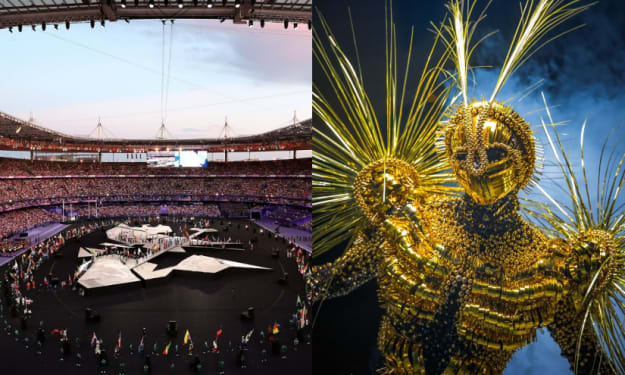
OLYMPIC CEREMONIES:A FUSION OF CULTURE AND SPORT
The Olympic Games, held every four years, are not only a celebration of athletic prowess but also a grand stage for showcasing the rich tapestry of human culture. Among the many spectacles of the Games, the Olympic Ceremonies—the opening, closing, and medal ceremonies—stand out as iconic events that blend art, history, and sport into an unforgettable experience. These ceremonies are more than just formalities; they serve as global showcases of tradition, unity, and creativity, fostering a sense of camaraderie that transcends national borders.
By Badhan Sen2 years ago in Gamers
THE RELATIONSHIP BETWEEN THE OLYMPICS AND MEDIA COVERAGE
The Olympics, a global sporting spectacle, is much more than a competition; it is a platform that intertwines sports, culture, politics, and media on a global scale. Media coverage plays a pivotal role in shaping how the Games are perceived, experienced, and remembered by billions worldwide. From its early roots in print and radio to the contemporary dominance of digital and social media, the relationship between the Olympics and media has evolved significantly, reflecting broader societal changes.
By Badhan Sen2 years ago in Gamers
Enhance Your Minecraft Gameplay with the Mouse Click Test
Minecraft is a game that requires both creativity and quick reflexes. Whether you’re crafting intricate structures, battling hostile mobs, or exploring the vast world, every aspect of the game demands precise and fast mouse clicks. In high-stakes scenarios, such as PvP (Player vs. Player) combat or navigating treacherous terrain, the ability to click quickly and accurately can make the difference between success and failure. This is where improving your mouse clicking speed becomes an essential skill for both competitive and casual Minecraft players.
By James Peter 2 years ago in Gamers
THE INFLUENCE OF OLYMPIC SPONSORSHIP AND COMMERCIALIZATION
The Olympic Games, a global celebration of athletic excellence, have evolved from a purely sports-focused event into a commercial spectacle driven by sponsorship and marketing. Over the years, the influence of sponsorship and commercialization on the Olympics has transformed not only the financial landscape of the Games but also its cultural, social, and ethical dimensions. This essay explores how sponsorship and commercialization have shaped the Olympics, highlighting both their positive contributions and their challenges.
By Badhan Sen2 years ago in Gamers
THE OLYMPICS AS A PLATFORM FOR SOCIAL ISSUES AND ADVOCACY
The Olympic Games, a global sporting event that has captivated the world since 1896, have long served as more than just a stage for athletic excellence. Over time, the Olympics have become a powerful platform for athletes and nations to raise awareness about social, political, and human rights issues. While the primary focus of the Games is athletic competition, the international audience and the cultural significance of the event provide athletes with an opportunity to use their platform to address social issues and advocate for change. This essay explores the Olympics as a platform for social issues and advocacy, focusing on the historical context, examples of athlete activism, and the ethical challenges of using the Games for political expression.
By Badhan Sen2 years ago in Gamers
THE OLYMPIC GAMES AND THE GLOBAL TOURISM BOOST
The Olympic Games, one of the world's largest and most prestigious sporting events, has a long history of bringing nations together, fostering unity, and promoting cultural exchange. But beyond the athletic performances and global camaraderie, the Olympics also have a significant impact on global tourism. Whether it's a city hosting the event for the first time or one that has already been an Olympic host, the Games play a crucial role in boosting tourism, driving economic growth, and showcasing the host country's culture and infrastructure to the world.
By Badhan Sen2 years ago in Gamers
HOW THE OLYMPICS SHAPE NATIONAL IDENTIFY AND PRIDE
The Olympic Games, first held in 1896 in Athens, have evolved into one of the world's most prestigious sporting events, bringing together athletes from across the globe to compete for gold, silver, and bronze. While the primary focus of the Olympics is to celebrate athletic excellence, the Games also serve a larger cultural and social function — notably in shaping national identity and fostering national pride. For many countries, the Olympics become a platform not only to showcase athletic talent but to assert a sense of cultural unity and power on the global stage.
By Badhan Sen2 years ago in Gamers
THE IMPORTANCE OF CULTURAL EXHIBITIONS AT THE OLYMPIC GAMES
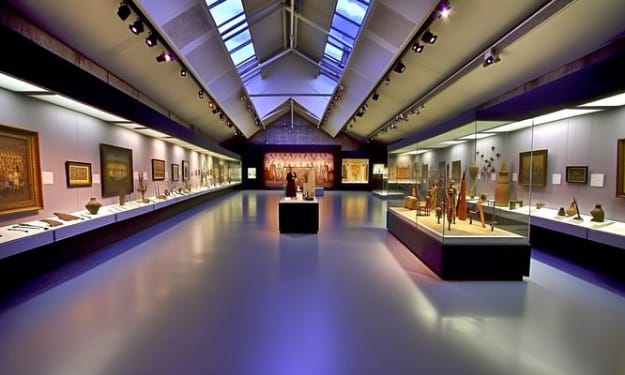
The Olympic Games are not just a platform for athletic excellence but also a celebration of global culture, unity, and peace. While the primary focus is on sporting events, cultural exhibitions have played an increasingly significant role in enriching the Olympic experience. These exhibitions, whether through art, music, dance, or other forms of cultural expression, offer a unique opportunity for nations to showcase their heritage, foster mutual understanding, and bridge the gap between diverse peoples. Here’s why cultural exhibitions are crucial at the Olympic Games:
By Badhan Sen2 years ago in Gamers
THE ROLE OF MUSIC IN OLYMPIC OPENING CEREMONIES
Music plays an integral role in shaping the atmosphere and narrative of the Olympic Opening Ceremonies. These ceremonies are not just a ceremonial beginning to the world’s largest sporting event but also an artistic expression of the host country’s culture, history, and values. Through music, the event establishes emotional connections with both the athletes and spectators, serving as a vehicle to convey national identity, unity, and the Olympic spirit. The use of music in these ceremonies is a powerful storytelling tool that transcends language barriers and evokes deep emotions.
By Badhan Sen2 years ago in Gamers
THE ECONOMIC IMPACT OF HOSTING THE OLYMPICS ON THE HOST COUNTRY
The Olympic Games are one of the most prestigious and widely viewed sporting events globally, and hosting them can have both significant benefits and challenges for the host country. While the event offers a unique opportunity for national pride, global exposure, and infrastructural development, the economic impact of hosting the Olympics is multifaceted. It affects a range of sectors, including tourism, construction, employment, and long-term economic growth. However, the financial benefits are often accompanied by substantial costs, and the true economic impact remains a subject of debate.
By Badhan Sen2 years ago in Gamers
THE CONTROVERSIAL USE OF BLOOD DOPING IN THE 1980s OLYMPICS
The 1980s witnessed a significant evolution in the world of competitive sports, including the controversial practice of blood doping. While the practice did not become widely publicized until the 1990s, the roots of blood doping can be traced back to the 1980s, particularly during the Olympic Games and other international competitions. Blood doping, which refers to the illegal enhancement of athletic performance by increasing the number of red blood cells in the bloodstream, has remained one of the most controversial topics in sports ethics, with a long history of both advocacy and condemnation. In this essay, we will explore the use of blood doping in the 1980s Olympics, its implications for athletes, the resulting backlash, and its impact on the integrity of competitive sports.
By Badhan Sen2 years ago in Gamers
THE CONTROVERSY SURROUNDING EAST GERMAN DOPING PROGRAMS
The East German doping program, which flourished during the Cold War era, remains one of the most notorious and controversial chapters in the history of sport. Between the 1970s and 1980s, East Germany (officially the German Democratic Republic, or GDR) employed state-sponsored doping programs that systematically enhanced the performance of its athletes. These programs were not only a violation of ethics but also a reflection of the political climate of the time, where success in international competitions was seen as a reflection of national strength and superiority.
By Badhan Sen2 years ago in Gamers