action adventure
The best action-adventure games available, for all consoles and gaming systems on the market.
"The Mind Behind the Controller"
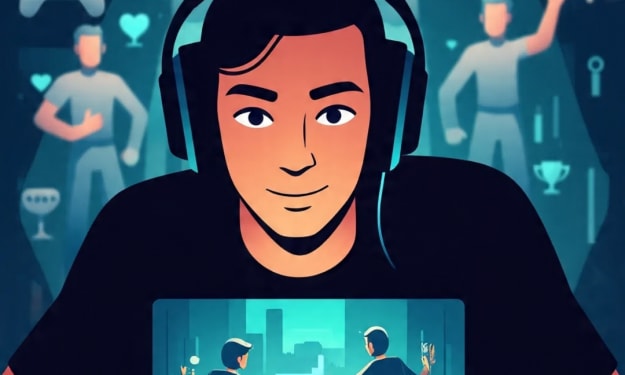
The Mind Behind the Controller: Unlocking the Psychology of the Modern Gamer In a small, softly lit room, the rhythmic clicking of a mechanical keyboard fills the air. A young man, Samir, sits upright in his gaming chair, eyes fixed on the glowing monitor before him. To an outsider, it may seem like just another session of digital escapism—but within Samir’s mind, a world of strategy, emotion, focus, and community is unfolding. This is the psychology of a gamer. At first glance, gaming appears to be a solitary activity. But for Samir—and millions like him across the globe—it’s anything but. When he logs in, he enters an environment that requires complex decision-making, rapid reflexes, emotional regulation, and social cooperation. Psychologists are now beginning to understand that gaming isn’t just entertainment; it’s a window into the powerful cognitive and emotional processes of the human mind. Motivation and Flow One of the most compelling psychological experiences gamers report is the "flow state." Coined by psychologist Mihaly Csikszentmihalyi, flow refers to a mental zone where individuals become completely absorbed in an activity, losing awareness of time and self. Gamers often reach this state during intense gameplay—when challenges are perfectly balanced with their skill levels. “Gaming provides immediate feedback,” says Dr. Anita Rao, a cognitive psychologist studying digital behavior. “When players complete a mission or solve a puzzle, the reward is instant. This boosts dopamine levels, reinforcing motivation and focus.” Samir knows this feeling well. Whether he's racing against the clock in a strategy game or coordinating tactics in an online match, the sense of progression and achievement keeps him coming back. It’s not unlike the mental engagement athletes or artists feel during peak performance. Social Connectivity Contrary to the stereotype of the isolated gamer, many modern games thrive on community. Samir plays with a regular group of friends online, some of whom live continents away. Their teamwork, voice chats, and shared victories build bonds that are as real as any face-to-face interaction. Games like Fortnite, Valorant, or Final Fantasy XIV are more than just competitions—they are digital social ecosystems. Research shows that these interactions can lead to increased feelings of belonging and emotional support, particularly for individuals who may struggle with social anxiety in real-life settings. “Gaming helps me express myself,” Samir shares. “Sometimes I’m more comfortable communicating in-game than in person. It’s like a bridge between worlds.” Cognitive Agility and Emotional Resilience The cognitive benefits of gaming are also drawing the attention of researchers. Fast-paced games demand sharp reflexes, memory recall, and multitasking—skills that often translate into improved mental agility in daily life. Strategic games require long-term planning, adaptive thinking, and critical problem-solving. But it’s not just about brainpower. Games also teach emotional regulation. Players like Samir experience frustration, disappointment, and failure regularly. Losing a match or failing a level can be disheartening—but it also offers repeated opportunities to practice resilience. “You learn to bounce back,” Samir says. “Every defeat is just a lesson for the next round.” Indeed, studies have shown that gamers often develop higher persistence and stress tolerance, especially when they play in environments that reward effort and adaptation. Balancing Realities Of course, like any powerful tool, gaming can have its downsides when misused—excessive screen time, sleep disruption, or neglect of real-world responsibilities are valid concerns. But when approached mindfully, gaming can be a rich psychological experience. Samir has learned to set boundaries. He schedules his gaming sessions around work and family time and uses breaks to reset. “It’s all about balance,” he notes. “Gaming is part of who I am, but it doesn’t define me completely.” The Bigger Picture As the world becomes more digital, understanding the psychology of gamers like Samir is increasingly important. These virtual experiences are shaping how we think, connect, and grow. Gamers aren’t just players—they’re strategists, storytellers, and social beings navigating a digital landscape that mirrors and enhances real life. Back in his room, Samir wins a challenging match. He smiles—not just because of the victory, but because of what it took to get there: focus, teamwork, patience, and a little bit of heart.
By Muhammad Saad about a year ago in Gamers
Leveling Up with Kindness: The Story of a Good Gamer
Leveling Up with Kindness: The Story of a Good Gamer How One Player is Changing the Game with Skill, Sportsmanship, and Heart In the fast-paced world of online gaming, where victory often overshadows values, one player has quietly earned a reputation not just for high scores, but for high character. Meet Jordan "NovaJay" Carter, a 17-year-old gamer from Atlanta, Georgia, who’s showing the gaming world that kindness, patience, and leadership are just as important as killstreaks and rankings. Jordan started gaming at a young age. His first console was a hand-me-down Xbox from his older cousin, and his first love was a cooperative platformer where teamwork was essential. “I learned early on that games were more fun when you played with people, not just against them,” Jordan said. “Even when I started playing competitive titles, that never really left me.” Now, Jordan plays games like Valorant, Overwatch 2, and Rocket League — titles known for their fast action and often, unfortunately, for their toxic communities. But where others rage or quit when things go wrong, Jordan shines. His teammates say he’s always the first to calm tensions, offer encouragement, and come up with a plan, no matter how badly the match is going. “He’s the kind of player you want on your team,” said one frequent teammate, Alyssa (@Moonfire19), who met Jordan through a Discord server for new players. “Even if we lose, he’ll point out what we did well and suggest what we could work on next time — always with respect.” This approach hasn’t gone unnoticed. Earlier this year, Jordan received a spotlight feature on his school’s digital bulletin for promoting positive online communities. The recognition came after a teacher overheard him giving advice during a free period and asked about his gaming habits. “He wasn’t bragging about his wins,” the teacher, Mr. Daley, recalled. “He was explaining how he helps other players stay calm under pressure. That stuck with me.” Jordan doesn’t see what he does as anything special — he just thinks it makes sense. “If people are already frustrated, yelling at them won’t help,” he said. “I’ve been that new player getting flamed in voice chat. It made me want to quit. I don’t want anyone else to feel that way.” Instead of tearing others down, Jordan has built a small but growing community around his gaming values. On Twitch, where he streams a few nights a week under the name NovaJayTV, he sets clear expectations: No trash talk, no hate, and help others when you can. His chat is a mix of regulars, new players looking for advice, and fellow teens who say they come for the games but stay for the positive vibe. “He doesn’t just teach strategies,” said viewer @MangoXP, a 14-year-old learning Valorant. “He talks about staying cool and treating people with respect. It’s kind of rare.” Jordan also volunteers his time with a local after-school gaming club, where he helps middle schoolers learn the ropes of popular multiplayer games. His favorite part? “Watching them go from nervous to confident, and seeing them encourage each other instead of competing all the time,” he said. For Jordan, gaming is about more than points or prestige — it’s about connection. “When people say video games are a waste of time, I laugh a little,” he said. “Sure, if you’re just sitting there all day with no goals, maybe. But I’ve met friends from all over the world, I’ve learned how to lead, and I’ve become a better communicator — all from gaming.” As he looks ahead, Jordan hopes to study game design in college and eventually work on titles that reward not just skill, but teamwork and empathy. He’s especially interested in creating systems that encourage positive behavior in online play. “Games have huge power to shape how people interact,” he said. “Why not use that power for good?” In a gaming world often criticized for toxicity and negativity, Jordan’s story is a breath of fresh air — a reminder that being a great gamer isn’t just about what happens on-screen, but about the values you bring to the controller. So next time you queue up and find yourself frustrated or discouraged, remember NovaJay’s golden rule: “Play hard. Stay kind. Everyone levels up that way.”
By Muhammad Saad about a year ago in Gamers
Power Up Your Morning: The Game Positive Way
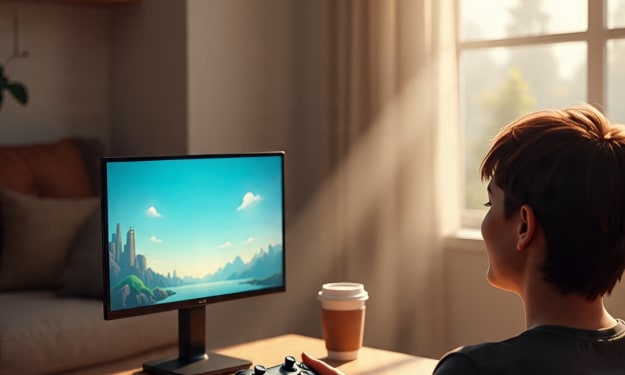
Power Up Your Morning: The Game Positive Way How Morning Gaming Boosts Focus, Mood, and Motivation for the Day Ahead Most people start their mornings with a routine: coffee, a quick scroll through social media, maybe some stretching or a rushed breakfast. But for 28-year-old Maya Lopez, her day begins with something different — gaming. At 6:45 AM, long before most of her neighbors are even out of bed, Maya is curled up in her favorite chair with a steaming mug of green tea and her Nintendo Switch in hand. The calming music of Stardew Valley floats through the room as she tends to her digital farm, checks in with virtual townsfolk, and watches her in-game crops grow. For Maya, this isn’t a guilty pleasure or procrastination. It’s intentional. “I used to dread mornings,” she says. “I’d wake up already anxious about the day ahead. But starting the day with 30 minutes of a game I love has totally changed that. It sets the tone — I feel grounded, focused, and happier.” This isn’t just Maya’s personal experience. A growing number of people are turning to what’s now being called “game positive” mornings — using video games intentionally as a tool for mental clarity, motivation, and mood regulation at the start of the day. The Science Behind It While video games have often been criticized for promoting inactivity or distraction, recent studies paint a more balanced picture. According to research published in the journal Nature Human Behaviour, moderate gaming can boost cognitive flexibility, problem-solving skills, and even emotional regulation. Morning gaming, in particular, may have unique benefits. Playing games that are goal-oriented or narrative-driven — like The Legend of Zelda, Animal Crossing, or puzzle games — activates the brain’s reward system. That dopamine release, especially first thing in the morning, can act like a mental “warm-up,” much like stretching before a run. “Gaming can engage both the emotional and logical parts of the brain,” explains Dr. Lena Patel, a clinical psychologist specializing in behavioral health. “Starting the day with a positive gaming experience can help regulate mood and reduce stress levels, especially for people prone to anxiety or ADHD.” Dr. Patel notes that the key is intention and balance. “It’s not about bingeing for hours. It’s about using a short, controlled gaming session to set a positive tone.” Building a Game Positive Morning Maya’s morning routine is simple but purposeful. After waking up, she avoids email and social media. Instead, she brews her tea and picks up her Switch or plays a PC game for 20–30 minutes — always something low-pressure and calming. “I don’t play competitive games in the morning,” she says. “No shooters or fast-paced multiplayer matches. It’s more about creativity and flow.” Other early gamers agree. Ethan, a 35-year-old freelance designer, uses puzzle games like Tetris Effect or Mini Metro to sharpen his focus. “It’s like a mental cup of coffee,” he laughs. “I feel more alert and clear-headed after solving a few puzzles.” Some even blend gaming with mindfulness. Apps like Kind Words or Alba: A Wildlife Adventure offer relaxing environments, gentle soundtracks, and positive interactions that help players ease into the day without the chaos of the outside world. Not Just for Gamers One surprising thing about the game positive movement is that it’s drawing in people who never considered themselves “gamers.” “I hadn’t touched a game console in years,” says Trisha, a 41-year-old teacher and mother of two. “But during the pandemic, I started playing Journey in the mornings — just for 15 minutes before the kids woke up. It was beautiful, emotional, and it gave me something quiet that was just for me.” Trisha now rotates through a small library of indie games she describes as “soulful” and “uplifting.” She even encourages her students to think of gaming in new ways — as a tool for creativity, emotional exploration, and connection. A Cultural Shift This shift in perspective reflects a broader cultural rethinking of gaming. As games continue to evolve beyond competition and violence, they’re increasingly seen as spaces for storytelling, meditation, even healing. Morning gaming fits into a larger trend of using interactive media as part of wellness and daily rituals. Of course, boundaries are important. Experts recommend keeping gaming sessions short (15–45 minutes), avoiding overly stimulating or addictive titles, and ensuring that it complements, rather than replaces, other healthy habits like movement, nutrition, and rest. But when done right, morning gaming can be a surprisingly powerful way to reclaim the start of your day. As Maya puts it: “Instead of waking up to stress and noise, I wake up to something that brings me joy. And that changes everything.”
By Muhammad Saad about a year ago in Gamers
Level Up: The Power of Games to Inspire and Connect
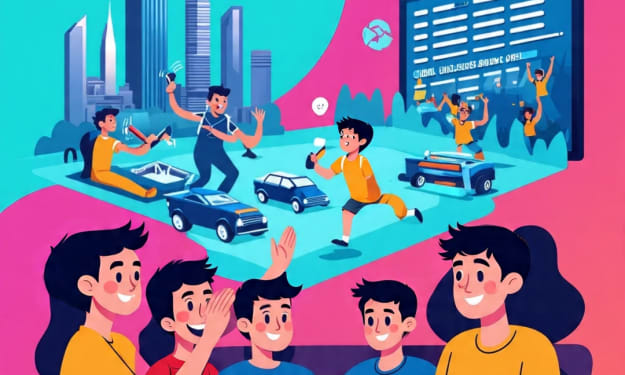
When most people think of video games, their minds jump to controllers, screens, or characters jumping over obstacles. But behind those pixels and polygons lies something much deeper: a growing global movement that is changing how we learn, create, and connect. Video games have come a long way since the days of Pong and Pac-Man. What began as simple forms of digital entertainment has evolved into immersive experiences that blend art, storytelling, music, and technology. Today, games are more than just a pastime—they're tools for education, platforms for social connection, and sources of inspiration for millions around the world. A Creative Playground One of the most powerful aspects of gaming is how it encourages creativity. Games like Minecraft, Roblox, and Dreams allow players to build entire worlds from scratch. Children and adults alike use these platforms to design intricate landscapes, construct buildings, and even program interactive features. For many, these games become the first step into design, coding, or storytelling. Emma, a 14-year-old from Toronto, started building fantasy castles in Minecraft when she was just 9. Now, she’s learning 3D modeling and wants to become a game designer. “It’s not just a game to me,” she says. “It’s like my sketchbook. I build whatever I imagine.” Educators have taken notice, too. Schools around the world are integrating game-based learning into classrooms. Whether it’s teaching math through puzzles in Portal or history through Assassin’s Creed: Discovery Tour, games are helping students engage with subjects in new and exciting ways. Building Bridges, Not Walls Gaming is also breaking down barriers between people. In a time when physical distance can keep us apart, online games offer a place to meet, play, and build friendships. Multiplayer games like Fortnite, Among Us, and Animal Crossing: New Horizons became virtual hangouts during the COVID-19 pandemic. Birthdays were celebrated, concerts were hosted, and communities thrived—all within digital spaces. It’s not just kids who are connecting through games. Adults, grandparents, and even entire families are bonding over shared experiences. For some, gaming is a lifeline against loneliness. Take Marco, a 67-year-old retiree who started playing Final Fantasy XIV to stay in touch with his grandchildren. “At first, I didn’t understand it,” he laughs. “But now, we play every weekend. It’s our thing.” The sense of community in gaming goes far beyond just playing together. Gamers support each other in online forums, stream their gameplay to teach others, and raise millions for charity through gaming marathons. Events like Games Done Quick show how powerful the gaming community can be when united for a cause. Real Skills, Real Opportunities Contrary to outdated stereotypes, gaming doesn’t isolate people or waste time—it often builds real-world skills. Strategy, communication, critical thinking, and teamwork are just a few of the abilities honed through games. Esports, the competitive side of gaming, has turned this into a career path for many young players. Professional gaming tournaments now fill stadiums, and scholarships are available for student gamers. Colleges offer programs in game development, and jobs in the gaming industry—from artists to engineers—are in high demand. According to a 2024 report, the global gaming industry is now worth over $200 billion and continues to grow. Beyond the business side, games are even being used in therapy and mental health. Titles like Celeste and Journey have been praised for addressing anxiety, depression, and grief through storytelling and gameplay. Organizations use games to help people open up, process emotions, and find support in safe, interactive environments. A Bright Future for Play The future of gaming is more exciting than ever. Technologies like virtual reality (VR), augmented reality (AR), and AI are pushing the boundaries of what games can do. From training doctors in simulations to preserving cultural heritage through interactive stories, the applications are endless. But perhaps the greatest promise of gaming lies in its heart: the players. Every day, people from different backgrounds log in not just to escape, but to connect, learn, and grow. Whether it’s building a virtual city, competing on a global stage, or simply sharing a laugh with a friend, gaming is creating something truly powerful. Games are no longer just something we play. They’re something we create, share, and live. So the next time someone tells you “It’s just a game,” you can smile and say, “It’s more than that—it’s the future.”
By Muhammad Saad about a year ago in Gamers
Wagering on Strategy: A Fresh Look at Rainbow Six Siege Esports Betting
Unlike quick shooters in which reaction is the key, Rainbow Six Siege is a game of planning, tolerance of time, and careful decision-making. That is exactly why placing a bet on its esports market is so appealing. As esports betting becomes more popular, fans are increasingly venturing into Rainbow Six Siege esports betting—a space where gameplay skill, team play, and game regimen can actually be beneficial to gamblers.
By Deborah Larsonabout a year ago in Gamers
Title: The Last Run
They called it the Devil’s Spine—an unforgiving stretch of jagged mountain trail carved into the high Colorado Rockies. Twenty-six miles of punishing inclines, treacherous switchbacks, and oxygen-thin air. No one over fifty had ever completed it. But Dean Holloway wasn’t just anyone.
By Masih Ullahabout a year ago in Gamers