
Sony PlayStation Changed Childhood Memories for Millions
For many people, video games are not just entertainment. They are memories tied to childhood bedrooms, late-night laughter with friends, emotional storylines, and moments that quietly shaped growing up.

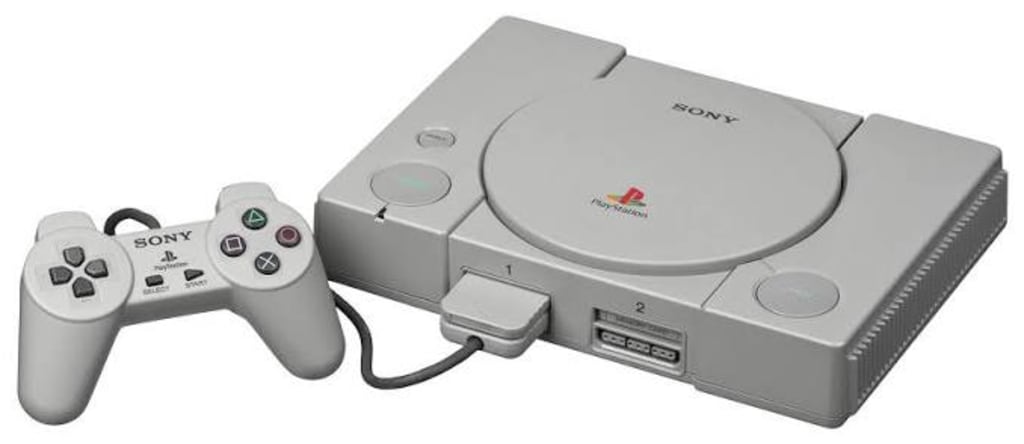
For many people, video games are not just entertainment. They are memories tied to childhood bedrooms, late-night laughter with friends, emotional storylines, and moments that quietly shaped growing up. Few gaming brands became part of personal memories as deeply as Sony PlayStation. Generations of players grew up holding controllers during exciting adventures, difficult life moments, and unforgettable gaming experiences that still feel emotional years later.
The story of sony playstation is not only about technology or gaming success. It is also about human connection. Brothers played together after school. Friends stayed awake competing through the night. Parents introduced children to gaming worlds they once loved themselves. Across decades, PlayStation became emotionally connected to comfort, escape, friendship, and imagination.
How PlayStation Became Part of Everyday Life
Sony entered the gaming industry during a time when home consoles were already becoming popular worldwide.
But Sony PlayStation quickly felt different emotionally for many players.
The original console introduced gaming experiences that felt cinematic, immersive, and emotionally memorable in ways many players had never experienced before.
Living rooms suddenly became places where families explored fantasy worlds together.
Children rushed home from school excited to continue unfinished games.
Friends gathered around televisions for hours.
Gaming became more than a hobby.
It became part of daily emotional life.
Why Childhood Gaming Memories Feel So Powerful
Childhood memories often connect strongly to entertainment experiences.
Certain sounds, music, and visuals remain emotionally attached to specific life periods forever.
For many people, PlayStation startup sounds instantly trigger nostalgia.
A loading screen.
A controller vibration.
Menu music playing late at night.
These details seem small, yet they become emotionally permanent over time.
That emotional nostalgia explains why sony playstation continues feeling meaningful even for adults who no longer play games regularly.
The Original PlayStation Changed Gaming Culture
The first PlayStation arrived during the 1990s and quickly became culturally important.
Games felt larger emotionally and visually than many earlier console experiences.
Storytelling improved.
Characters felt more human.
Music became cinematic.
Players emotionally connected with fictional worlds in deeper ways.
For many children growing up during that era, PlayStation represented imagination and excitement.
Owning the console felt emotionally special.
Why Gaming Became Emotional Escape
Video games often provide emotional escape during difficult times.
Children dealing with loneliness, bullying, stress, or family problems sometimes found comfort inside gaming worlds.
Games created spaces where players felt control, achievement, friendship, or emotional safety.
Sony PlayStation became emotionally important partly because its games often balanced excitement with emotional storytelling.
Players connected not only to gameplay but also to characters and narratives emotionally.
Multiplayer Gaming Strengthened Friendships
Before online gaming became common, local multiplayer experiences created unforgettable memories.
Friends sat side by side sharing controllers.
Siblings argued during racing games or sports matches.
Entire afternoons disappeared while competing together.
These moments mattered emotionally because gaming became social connection rather than solitary entertainment.
Many adults still remember specific PlayStation gaming nights with emotional warmth years later.
Why PlayStation Music Feels Nostalgic
Music plays a huge emotional role in gaming memories.
PlayStation games often featured memorable soundtracks that stayed emotionally connected to players long after finishing the games.
A single song can instantly return someone emotionally to childhood bedrooms or teenage years.
That emotional power explains why gaming music concerts and nostalgia playlists remain popular today.
The Emotional Role of Storytelling in Games
Older generations sometimes viewed games only as toys.
But PlayStation helped change public understanding of gaming storytelling emotionally.
Many games explored grief, friendship, sacrifice, fear, identity, and survival.
Players cried during certain endings.
They formed emotional bonds with fictional characters.
Gaming narratives became emotionally meaningful experiences rather than simple distractions.
Why PlayStation Became a Family Experience
Gaming often connected families emotionally across generations.
Parents introduced children to favorite games.
Older siblings taught younger siblings how to play.
Family members watched story-driven games together almost like movies.
These experiences helped PlayStation become emotionally integrated into household routines.
For many people, PlayStation memories include family relationships as much as gaming itself.
The Rise of PlayStation 2 and Global Popularity
PlayStation 2 became one of the most successful gaming consoles ever created.
Its popularity expanded gaming culture enormously.
Players from different countries, cultures, and age groups connected through shared gaming experiences.
The console offered sports games, action adventures, racing games, horror stories, and emotional role-playing experiences that appealed to diverse audiences.
For many teenagers, PlayStation 2 defined entire years emotionally.
Why Late-Night Gaming Feels So Memorable
Many PlayStation memories happen late at night.
Dim room lighting.
Quiet houses.
Friends whispering during horror games.
Parents telling children to sleep while one final match continued.
These emotional memories feel vivid because nighttime gaming often carried excitement and freedom.
Teenagers especially associate PlayStation with emotional independence and personal identity during growing-up years.
Online Gaming Changed Emotional Connection
As internet gaming expanded, PlayStation communities became global.
Players met strangers online who later became close friends.
Some friendships lasted years despite people never meeting physically.
Online gaming created emotional communities around teamwork, competition, and shared interests.
For many players, PlayStation became socially important during lonely periods of life.
Why Certain Games Defined Entire Generations
Some PlayStation games became emotionally defining experiences for entire generations.
Adventure stories.
Sports rivalries.
Survival horror games.
Fantasy journeys.
Players often remember exactly where they were emotionally during certain gaming experiences.
These memories became connected to school years, friendships, heartbreaks, or family life.
Gaming therefore became emotionally tied to personal identity.
The Emotional Comfort of Familiar Consoles
Returning to old PlayStation consoles often feels emotionally comforting.
Dusty controllers.
Scratched game cases.
Saved game files from years earlier.
These physical objects carry emotional memory.
People reconnect not only with games but also with earlier versions of themselves.
That emotional nostalgia explains why retro gaming remains deeply meaningful for many adults.
Why Gaming Helped Introverted Kids
Many introverted children found emotional comfort through PlayStation gaming.
Games offered structured goals, imaginative worlds, and emotional safety during socially difficult periods.
Some players struggled making friends at school but found confidence through gaming communities or shared gaming interests.
PlayStation therefore became emotionally important beyond entertainment alone.
The Emotional Power of Competition
Competitive gaming creates intense emotional memories.
Winning difficult matches.
Losing dramatically.
Celebrating victories with friends.
Arguing over unfair plays.
Sports and fighting games especially created emotional energy inside homes and friendships.
These moments often became funny stories families remembered for years.
Why Horror Games Left Lasting Impressions
PlayStation horror games created especially strong emotional memories.
Players screamed together.
Paused games out of fear.
Stayed emotionally tense during dark storylines.
Experiencing fear safely through games created unforgettable emotional excitement.
Many adults still remember specific frightening gaming moments decades later.
PlayStation and Teenage Identity
Teenage years often involve searching for identity and belonging.
Gaming communities provided emotional connection during this uncertain stage of life.
Favorite games became part of personal identity.
Friend groups formed around gaming interests.
PlayStation culture influenced music tastes, fashion, humor, and social experiences for many teenagers growing up during the 2000s.
Why Gaming Helped People During Difficult Times
During emotionally difficult periods, gaming often provided temporary comfort.
People coping with stress, loneliness, anxiety, or grief sometimes found emotional relief inside gaming worlds.
PlayStation games offered structure, progress, and distraction during painful moments.
This emotional support explains why gaming means much more to many players than outsiders sometimes realize.
The Emotional Evolution of Graphics and Realism
Each PlayStation generation improved visual realism dramatically.
Characters appeared more expressive.
Worlds felt emotionally immersive.
Facial animations conveyed emotion more clearly.
Players emotionally connected to stories more deeply as games became visually richer.
This emotional immersion helped gaming gain broader cultural respect over time.
Why PlayStation Exclusives Matter Emotionally
Exclusive PlayStation games often focused heavily on emotional storytelling.
Many explored family relationships, loss, survival, redemption, or personal struggle.
Players emotionally invested in these narratives deeply because the writing felt human rather than superficial.
These emotional experiences helped distinguish PlayStation from competitors for many fans.
Gaming and Friendship Memories
For countless people, PlayStation memories are friendship memories.
Borrowing games from classmates.
Trading memory cards.
Watching friends attempt difficult levels.
Laughing during multiplayer failures.
These social experiences mattered emotionally because they created connection during important life years.
Why Adults Still Return to PlayStation
Many adults continue playing PlayStation partly because gaming reconnects them emotionally with earlier life periods.
Returning to familiar franchises feels comforting.
Gaming also offers temporary escape from adult stress and responsibilities.
For some players, gaming remains one of the few hobbies emotionally untouched by work pressure or social expectations.
The Emotional Importance of Gaming Communities
Online communities surrounding PlayStation games often provide emotional belonging.
Players discuss stories, strategies, favorite characters, and emotional reactions together.
Some communities become long-term friendships.
Others help isolated people feel socially connected.
Gaming culture therefore carries emotional value beyond the games themselves.
How Parents View Gaming Differently Now
Earlier generations sometimes viewed gaming negatively.
Today many parents grew up with PlayStation themselves.
As a result, gaming feels emotionally familiar rather than foreign.
Parents now often share gaming experiences directly with children, creating emotional continuity across generations.
Why Console Launches Feel Emotional
Major PlayStation console launches create emotional excitement because they symbolize new experiences and future memories.
Fans remember saving money for consoles.
Waiting outside stores.
Opening boxes carefully.
Starting new systems for the first time.
These moments feel emotionally significant because they represent anticipation and imagination.
The Emotional Sound of Nostalgia
Even small PlayStation sounds trigger nostalgia emotionally.
Menu music.
Controller clicks.
Startup screens.
Loading effects.
These details become emotionally attached to life memories unconsciously.
Years later, hearing them again can feel surprisingly emotional.
Why Sony PlayStation Still Matters Globally
Sony PlayStation remains culturally important because it became emotionally connected to multiple generations worldwide.
Gaming evolved from niche entertainment into mainstream emotional storytelling and social connection.
PlayStation helped shape that change significantly.
Millions of people associate the brand with comfort, excitement, friendship, and emotional memory.
Gaming as Modern Storytelling
Modern video games became one of the world’s most powerful storytelling forms.
Players actively participate emotionally rather than only watching passively.
Choices matter.
Characters feel personal.
Worlds feel immersive.
Sony PlayStation helped normalize emotionally complex storytelling inside gaming culture globally.
Conclusion
The story of sony playstation is ultimately about far more than consoles or technology.
It is about emotional memory.
Childhood friendships.
Late-night gaming sessions.
Family traditions.
Comfort during difficult times.
For millions of people, PlayStation became quietly woven into important emotional moments throughout life.
Games created laughter, fear, excitement, sadness, competition, and connection across generations.
That emotional legacy explains why PlayStation continues holding such a meaningful place inside modern culture.
Long after consoles become outdated, the memories attached to them often remain emotionally unforgettable forever.
About the Creator
Muqadas khan
Hi! Welcome to my Vocal page. I’ll be sharing fresh articles every day covering stories, ideas, and a bit of inspiration to brighten your feed. Thanks for reading and supporting daily writing! 📖💫
Enjoyed the story? Support the Creator.
Subscribe for free to receive all their stories in your feed.
Comments
There are no comments for this story
Be the first to respond and start the conversation.