
real madrid vs fiorentina
Real Madrid vs Fiorentina: The Historic European Cup Final That Defined an Era
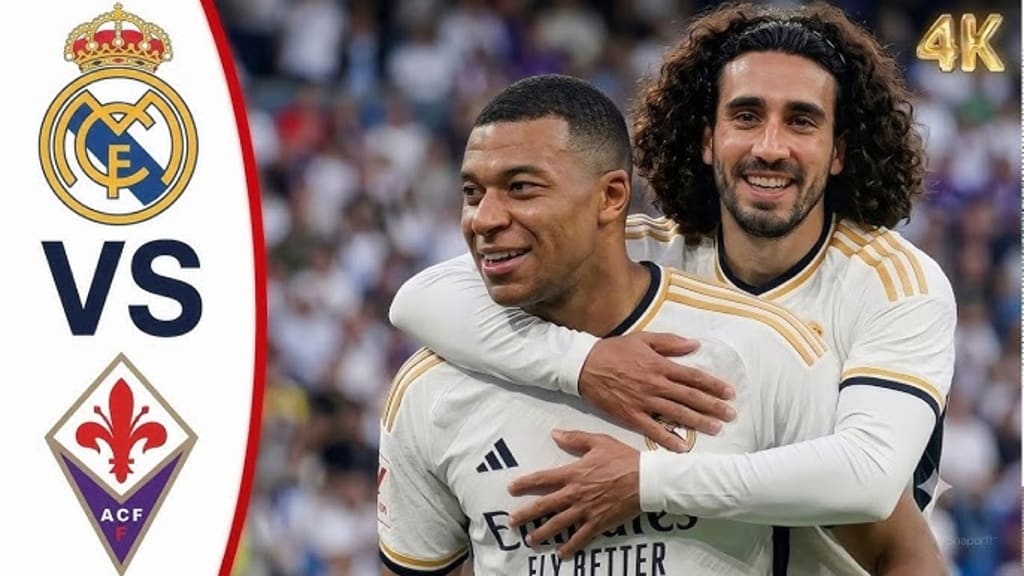
Real Madrid and Fiorentina are two of Europe's most respected football clubs, each possessing a rich history and a tradition of excellence. Although they do not meet regularly in modern competitions, matches between these teams hold a special place in football history. Their encounters, particularly during the early years of European club football, helped establish the prestige of international competitions and showcased some of the finest talents of their era.
Real Madrid, founded in 1902, is widely regarded as one of the most successful football clubs in history. Based in Madrid, Spain, the club has won numerous domestic and international trophies, including a record number of UEFA Champions League titles. Fiorentina, founded in 1926 and based in Florence, Italy, has also enjoyed significant success and is known for its passionate supporters, attractive style of play, and contribution to Italian football.
One of the most famous meetings between Real Madrid and Fiorentina took place in the final of the 1957 European Cup, the competition now known as the UEFA Champions League. The match was played on May 30, 1957, at the Santiago Bernabéu Stadium in Madrid. This final was a landmark event in European football because it featured two highly talented teams competing for the most prestigious club trophy on the continent.
Real Madrid entered the final as defending champions, having won the first European Cup in 1956. Led by legendary players such as Alfredo Di Stéfano and Francisco Gento, the Spanish side was considered one of the strongest teams in Europe. Fiorentina, meanwhile, had earned its place in the final through disciplined performances and impressive teamwork. The Italian club boasted a strong defensive structure and hoped to become the first Italian team to win the European Cup.
The final began with both teams displaying caution and tactical discipline. Fiorentina defended effectively and managed to frustrate Real Madrid during the early stages of the match. The Italian side's goalkeeper delivered an outstanding performance, making several important saves and keeping the score level. However, Real Madrid's attacking quality eventually made the difference.
In the second half, Real Madrid was awarded a penalty after a controversial challenge inside the penalty area. Alfredo Di Stéfano calmly converted the spot kick, giving the Spanish club a crucial lead. The goal changed the momentum of the match and forced Fiorentina to become more adventurous in attack. As Fiorentina pushed forward in search of an equalizer, Real Madrid found more space to exploit.
A few minutes later, Francisco Gento scored Real Madrid's second goal with a superb finish. The strike effectively secured the victory and ensured that Real Madrid would retain the European Cup. The match ended 2–0, confirming the Spanish club's growing dominance in European football. The victory was particularly significant because it came in front of the club's home supporters and reinforced its reputation as the leading force in the competition.
The 1957 final remains one of the most important matches in the history of both clubs. For Real Madrid, it marked the second of five consecutive European Cup triumphs, a record that remains one of the greatest achievements in football history. For Fiorentina, despite the disappointment of defeat, reaching the final demonstrated the club's quality and established it as one of Europe's elite teams during that era.
Over the years, Real Madrid and Fiorentina have met on several other occasions in friendly matches and European competitions. While these encounters have not attracted the same historical significance as the 1957 final, they have continued to generate interest among football supporters. Every meeting between the two clubs serves as a reminder of their rich traditions and contributions to the development of European football.
Both clubs have produced and attracted exceptional players throughout their histories. Real Madrid has been home to legends such as Alfredo Di Stéfano, Ferenc Puskás, Raúl, Zinedine Zidane, Cristiano Ronaldo, and many others. Fiorentina has also featured iconic players, including Gabriel Batistuta, Giancarlo Antognoni, Roberto Baggio, and Rui Costa. These footballers helped elevate the status of their respective clubs and left lasting legacies in the sport.
The contrast between the clubs also adds to their appeal. Real Madrid is known for its global reach, financial strength, and consistent pursuit of major trophies. Fiorentina, while operating on a smaller scale, is admired for its passionate fan base, strong identity, and commitment to developing talented players. Both clubs represent different paths to success, yet each has earned respect across the football world.
Today, Real Madrid remains a dominant force in European football, regularly competing for major titles and attracting elite talent. Fiorentina continues to play an important role in Italian football, striving to challenge stronger rivals while maintaining its proud traditions. Although their meetings are rare, the historical connection between the clubs remains an important chapter in football history.
In conclusion, Real Madrid versus Fiorentina is more than just a football fixture. It represents a meeting of two historic clubs whose paths crossed during a defining period in European football. The 1957 European Cup Final stands as the most memorable chapter of their rivalry, highlighting the skill, determination, and ambition that characterized both teams. While modern football has evolved significantly since that famous encounter, the legacy of Real Madrid and Fiorentina continues to inspire supporters and remind the football world of the rich history that shaped the sport we know today.
About the Creator
Enjoyed the story? Support the Creator.
Subscribe for free to receive all their stories in your feed.
Comments
There are no comments for this story
Be the first to respond and start the conversation.