
Real Madrid: The Most Successful Club in World Football
For an article about Real Madrid on Vocal Media, the best communities are:
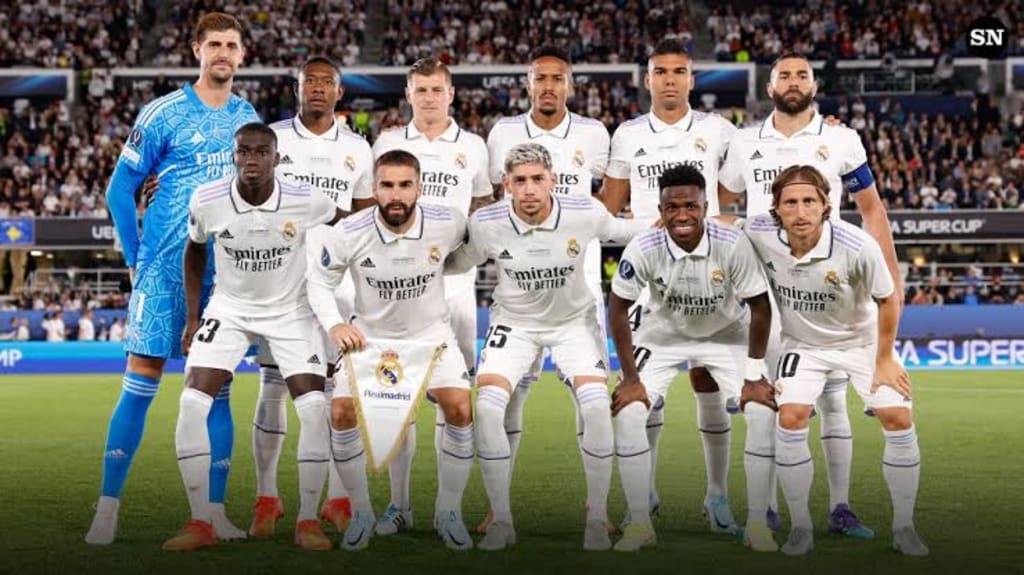
Real Madrid is widely regarded as one of the greatest and most successful football clubs in the history of the sport. Based in Madrid, Spain, the club has built a global reputation through its remarkable achievements, legendary players, and commitment to excellence. For more than a century, Real Madrid has been a symbol of success, attracting millions of supporters across the world and setting standards that few clubs have matched.
Founded on March 6, 1902, as Madrid Football Club, the organization quickly became one of Spain's leading football institutions. In 1920, King Alfonso XIII granted the club the title "Real," meaning "Royal," and from that moment it became known as Real Madrid. The club has since grown from a local football team into an international sporting powerhouse with a fan base that spans every continent.
Real Madrid plays its home matches at the iconic Santiago Bernabéu Stadium. Opened in 1947, the stadium has hosted countless historic matches and major international events. Recent renovations have transformed it into one of the most advanced sports venues in the world, featuring modern technology and enhanced facilities for supporters.
The club's rise to international prominence began in the 1950s. Under the leadership of president Santiago Bernabéu and with the arrival of legendary players such as Alfredo Di Stéfano, Real Madrid dominated European football. The team won the first five European Cups from 1956 to 1960, establishing itself as the benchmark for excellence on the continent. This period remains one of the most celebrated eras in football history.
Over the decades, Real Madrid continued to attract world-class talent. The club has been home to some of football's greatest players, including Ferenc Puskás, Zinedine Zidane, Raúl González, Cristiano Ronaldo, and many others. These players not only contributed to the club's success but also helped expand its global popularity.
One of Real Madrid's defining characteristics is its relentless pursuit of trophies. The club has won numerous Spanish league titles, domestic cups, and international competitions. Most notably, it holds the record for the most UEFA Champions League titles, a competition widely considered the pinnacle of club football. Its success in Europe has earned Real Madrid the nickname "The Kings of Europe," reflecting its unmatched achievements on the continental stage.
The club's philosophy emphasizes both winning and entertaining football. Throughout its history, Real Madrid has sought to combine sporting excellence with an attractive style of play. This commitment has made the team a favorite among neutral football fans and has contributed to its reputation as one of the sport's most prestigious institutions.
Another important aspect of Real Madrid's success is its youth development system. Through its academy, commonly known as La Fábrica, the club has produced numerous talented players who have gone on to represent both Real Madrid and national teams. The academy focuses not only on technical development but also on discipline, professionalism, and respect for the club's values.
Real Madrid's rivalry with FC Barcelona is one of the most famous in sports. Matches between the two clubs, known as El Clásico, attract hundreds of millions of viewers worldwide. These encounters are more than football matches; they represent a clash between two historic institutions with rich traditions and passionate fan bases. The rivalry has produced countless memorable moments and remains one of the highlights of the football calendar.
Financially, Real Madrid is also among the strongest clubs in the world. Its commercial success is driven by sponsorships, merchandise sales, broadcasting revenue, and a massive international following. The club's brand is recognized globally, making it one of the most valuable sports organizations. This financial strength allows Real Madrid to compete for the best players while continuing to invest in infrastructure and development.
In recent years, Real Madrid has continued to demonstrate its competitive spirit. New generations of players have carried forward the club's tradition of excellence. Experienced leaders and emerging talents work together to maintain high standards and pursue success in domestic and international competitions. The club's ability to adapt to changing eras while preserving its identity has been a key factor in its longevity.
Beyond football, Real Madrid contributes to social and charitable initiatives through the Real Madrid Foundation. The foundation supports educational, cultural, and sporting programs in many countries, using football as a tool to promote positive social values and opportunities for young people.
The influence of Real Madrid extends far beyond the football pitch. It represents ambition, resilience, and a commitment to achieving the highest standards. Generations of fans have celebrated the club's victories, admired its legendary players, and embraced its traditions. Whether through historic European triumphs, unforgettable matches, or contributions to the global growth of football, Real Madrid has left an enduring mark on the sport.
In conclusion, Real Madrid's story is one of excellence, determination, and sustained success. From its founding in 1902 to its position as a global football giant, the club has consistently demonstrated why it is considered one of the greatest teams in history. Its record-breaking achievements, iconic stadium, legendary players, and worldwide fan base ensure that Real Madrid remains a symbol of football greatness. As the club continues to pursue new challenges and trophies, its legacy as one of the most influential institutions in sports remains stronger than ever.
About the Creator
Enjoyed the story? Support the Creator.
Subscribe for free to receive all their stories in your feed.
Comments
There are no comments for this story
Be the first to respond and start the conversation.