
Grove Street Games exec speaks out on GTA Trilogy backlash
When Grand Theft Auto: The Trilogy – The Definitive Edition arrived in the latter half of 2021, it was meant to be a grand celebration of three defining pillars in the open-world gaming genre.

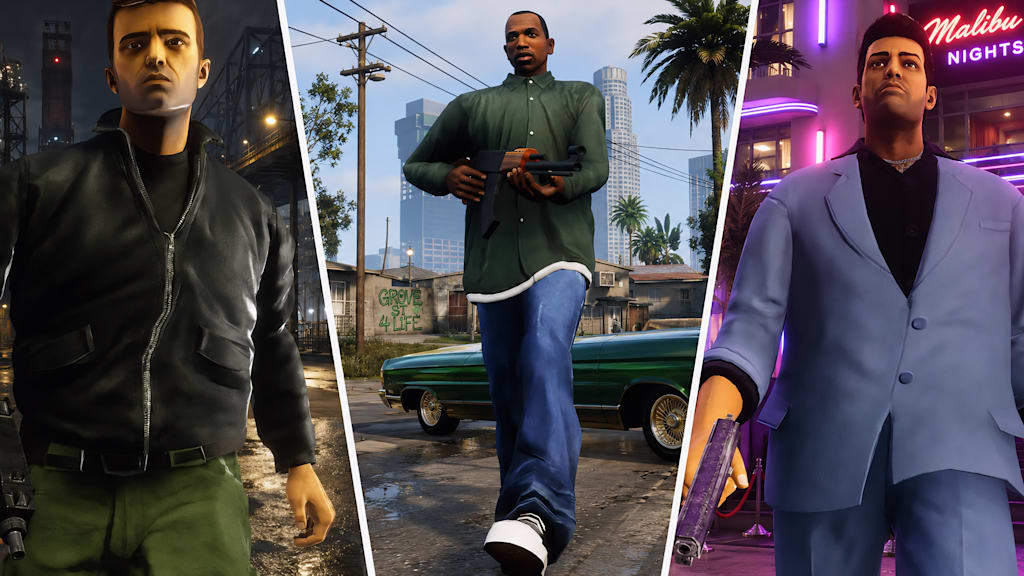
It was originally intended to be a grand, triumphant celebration of three absolute defining pillars in the open-world action genre—titles that fundamentally reshaped the interactive entertainment landscape during the PlayStation 2 era. Instead, the launch rapidly devolved into a stark cautionary tale regarding the complexities of video game preservation and the inherent risks of outsourced development. The highly anticipated collection was immediately and heavily scrutinized by both critics and consumers for its glaring technical shortcomings. Eager fans, hoping for a flawless trip down memory lane, were abruptly met with a digital landscape riddled with jarring, game-breaking bugs. Players documented awkwardly implemented upscaled textures that ruined classic visual jokes, severe frame rate inconsistencies, and character models that looked bizarrely distorted, losing the stylized charm of the originals. The community backlash was both swift and incredibly unyielding. This ongoing resentment ultimately culminated in a highly publicized 2024 software update where the original developer of the remasters, Grove Street Games, was quietly and unceremoniously scrubbed from the title's introductory startup screen.
Behind the Scenes of a Fractured Development Cycle
Years after the initial launch controversy dominated industry headlines, Thomas Williamson, the chief executive officer of Grove Street Games, has finally stepped forward to offer his personal perspective on the turbulent release. In a recent, comprehensive conversation with the gaming publication Wccftech, Williamson provided a candid retrospective on the ill-fated project. He readily admitted to deeply understanding the widespread consumer frustration, noting that he personally aligned with the vast majority of the public's negative reactions at the time the game hit digital shelves. However, he also carefully alluded to significant behind-the-scenes friction between the development studio and the publisher. He suggested that his studio did not entirely agree with how the game was aggressively pushed to the retail market, nor did they align with how the post-release public relations and crisis communication were managed. According to Williamson, a fundamentally different strategic approach to the rollout—perhaps including transparent developer diaries or adjusted release schedules—might have drastically altered the overarching public narrative and softened the critical blow.
The Telemetry Debate and the Illusion of Player Satisfaction
Perhaps the most debatable and controversial takeaway from the interview is the executive's heavy reliance on internal player data to defend the product's reception. Williamson claimed that despite the overwhelmingly negative internet discourse and brutal user reviews, backend telemetry indicated a substantially large portion of the audience was not only actively playing the collection but genuinely enjoying their time with the modernized sandbox environments. From an analytical and critical standpoint, this specific assertion warrants a highly healthy degree of skepticism. While it is highly probable that internal metrics showed millions of logged hours across the global player base, directly equating sheer playtime with actual player satisfaction is a significant, and potentially flawed, leap in logic. Many dedicated, long-time fans flocked to the remasters simply because alternative options had been systematically removed. In the crucial months leading up to the definitive edition's launch, the original, classic versions of these beloved titles were aggressively delisted from digital storefronts. This corporate maneuver essentially left eager consumers with absolutely no other legal, accessible avenue to experience the seminal games on modern hardware, effectively trapping them into playing the flawed remasters regardless of their actual enjoyment level.
Acknowledging Responsibility and Looking Toward the Future
To his credit, Williamson did not attempt to completely deflect all responsibility for the rocky launch. He openly recognized that the global gaming community expected, and rightfully deserved, a much higher caliber of polish for properties of this magnitude. Acknowledging the monumental, industry-defining legacy of the original games, he expressed sincere gratitude for the rare opportunity to work on such foundational pieces of interactive history. Ultimately, he humbly conceded that achieving a truly flawless, universally beloved modernization of these undisputed classics would likely require the direct, comprehensive, in-house involvement of Rockstar North, rather than being handed off entirely to a smaller external team with limited resources.
Today, the remastered trilogy sits in a much more stable and playable state than it did during its chaotic launch window, aided tremendously by a substantial recent patch that successfully reintroduced a heavily requested, mood-setting classic lighting system. Yet, for many purists, it remains a product of painful compromise. Industry-defining masterpieces like Grand Theft Auto III, Vice City, and San Andreas warrant a meticulous, uncompromising restoration that preserves their original artistic intent. While the current iteration has finally shed its disastrous launch status, dedicated fans continue to hold out desperate hope for future, comprehensive updates that might finally give these legendary titles the dignified, premium treatment they truly deserve.
About the Creator
Nguyen Xuan Chinh
I'm the found/CEO of Gamelade (Gamelade.vn) - a trusted news source from Vietnam
Enjoyed the story? Support the Creator.
Subscribe for free to receive all their stories in your feed.
Comments