
Google Block Breaker World Record Exposed: The Cheating Tricks Pros Use
The Google Block Breaker world record isn’t just about reflexes — it’s about mastering (and sometimes bending) the system. Now that the tricks are exposed, the question is: will you play fair, or join the pros in pushing the limits?

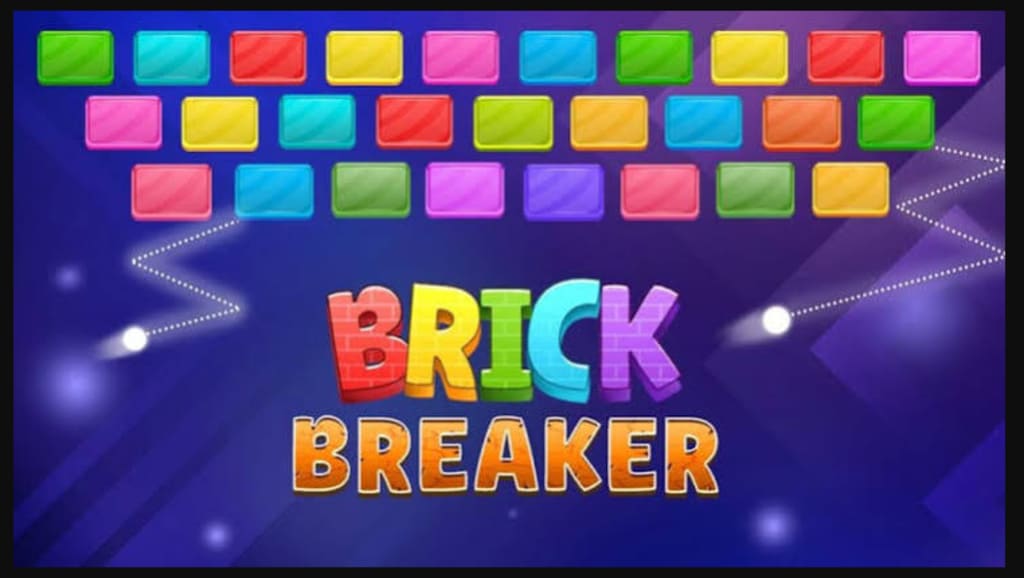
Google’s addictive Block Breaker Easter egg — the modern take on the classic Breakout/Arkanoid formula hidden in search — has captivated millions since its prominent debut. Players bounce a ball with a paddle to smash colorful blocks, chase power-ups, and rack up massive scores while Google mascots (Android, Dino, Dash, Sparky) cheer them on. What looks like harmless retro fun has spawned a competitive underground scene, with claimed world records climbing into the 100,000–144,500+ point range. But behind the high scores lies a murkier reality: many top runs rely on exploits, scripts, timing tricks, and borderline cheating methods that casual players never discover.
This exposé pulls back the curtain on the Google Block Breaker world record chase in 2026. We’ll break down verified high scores, the legitimate strategies pros master, and — most importantly — the “cheating tricks” that top the leaderboards on Speedrun.com, Reddit, and private Discords. Whether you’re chasing your own personal best or just want to understand how records are truly set, this guide reveals everything.
The Game: How Google Block Breaker Actually Works
Google Block Breaker is a browser-based Easter egg. Search for “Block Breaker” (or similar triggers) and a playable tile appears. It features:
- A paddle controlled by mouse or touch.
- One or more balls that destroy blocks on contact.
- Power-ups: multi-ball, laser, paddle size increase, slow motion, etc.
- Progressive difficulty with faster balls, tougher block patterns, and occasional hazards.
- Scoring based on blocks broken, combos, power-up chains, and survival time.
The game has no official global leaderboard from Google, so the “world record” is community-driven through video proof, Speedrun.com submissions, and unverified claims. Current notable marks include:
118,150 points (former Speedrun.com record holder).
144,500 points (widely discussed Reddit claim, considered by many the highest credible score).
Various time-based categories (e.g., highest score in under 2 minutes).
These scores require near-perfect reflexes, pattern knowledge, and sometimes external assistance.
Legitimate Pro Strategies: Skill Before Exploits
Top players don’t rely solely on cheats. They master core mechanics:
Paddle Angle Control
Hitting the paddle’s edges imparts sharper angles to the ball. Pros position the paddle precisely to target weak spots in block formations or set up long rallies that maximize points before blocks respawn or difficulty spikes.
Power-Up Prioritization
Multi-ball is king for score multipliers, but timing is everything. Pros save certain power-ups for dense clusters and avoid “poison” or disruptive ones. Laser power-ups allow safe clearing of high blocks.
Pattern Recognition
The game has semi-predictable level progression. Advanced players memorize spawn sequences and optimal clearing paths, maintaining the ball in “safe zones” while chaining combos.
Reflex Drills and Consistency
Many grind practice sessions focusing on edge cases: fast balls, multiple threats, and recovery from near-misses. Some use external metronomes or rhythm training to internalize bounce timing.
These skills form the foundation. But to push into record territory, many turn to less savory methods.
The Cheating Tricks Pros Use: Exposed
Here’s where the record chase gets controversial. While outright hacks risk bans or invalidated runs, creative (and often gray-area) tricks are widespread.
1. Console Scripts and Autoplay Bots
The most common “cheat” involves browser developer tools. Players inject JavaScript that automates paddle movement. Simple scripts follow the ball’s X-position or use basic AI to keep it alive indefinitely. One publicly shared snippet moves the paddle predictably, achieving 500+ points reliably with minimal input. More advanced versions incorporate collision prediction or multi-ball tracking. These allow marathon sessions that human reflexes alone can’t sustain, inflating scores dramatically. Speedrun.com and YouTubers have shown runs using light automation that still require some oversight to pass as “legit.”
2. Timing Exploits and Pause Buffering
Some players exploit frame timing or pause/resume mechanics (where available) to reposition the paddle or slow chaotic situations. In browser versions, rapid tab-switching or dev tools pauses can create windows for perfect setup. This “pause buffering” lets pros survive sections that would otherwise end runs instantly.
3. Device and Browser Optimization
Records are highly dependent on hardware. Running on high-refresh-rate monitors (120Hz+), low-latency mice, or specific browsers (Chrome with hardware acceleration) gives a measurable edge. Some pros use emulators or modified clients for consistent performance. Mobile versions on high-end tablets offer touch precision advantages for certain patterns.
4. Seed Manipulation and Restart Abuse
Although Google’s implementation is mostly deterministic, restarting the game rapidly can influence initial block layouts or power-up drops. Top players farm favorable starts by force-quitting and reloading until they get an easy opening wave, then playing perfectly from there. This isn’t traditional RNG manipulation but exploits the lack of strict anti-restart measures.
5. Multi-Device Sync and Account Tricks
While not directly altering gameplay, some grind on multiple tabs or devices simultaneously, sharing insights or even coordinating power-up timing in community discords. Video proof is often edited or selectively recorded, raising questions about authenticity.
6. External Overlays and Assistants
Overlays showing predicted ball paths, color-coded weak points, or reaction-time helpers (borderline cheating) are used in practice. In recorded runs, these are usually disabled, but training with them builds muscle memory that carries over.
7. Score Multiplier Chaining
Pros deliberately prolong games to trigger hidden combo systems or escalating multipliers. By keeping balls alive through precise micro-adjustments (sometimes aided by scripts), they farm points far beyond what random play achieves.
Communities on Reddit, Speedrun.com, and Discord openly discuss these. While pure skill runs exist, many record-claiming videos show suspiciously perfect consistency that aligns with light scripting.
The Legitimacy Debate: What Counts as a “Real” World Record?
Google doesn’t police or verify scores officially. Speedrun.com has categories for Block Breaker (often under Minor Google Games), with rules varying by moderator. Some runs require “no tools” verification via raw footage; others are more lenient.
The 144,500-point Reddit claim stands out as one of the highest unverified highs, while 118,150 has stronger video backing. Skeptics argue many top scores involve some form of assistance, making pure human records much lower (around 60,000–80,000 for unaided expert play).
This mirrors broader speedrunning controversies: tool-assisted runs (TAS) vs. human. In Block Breaker, the line blurs because browser games are easy to script.
How to Improve Your Own Game (Legit Ways + Gray-Area Tips)
Legitimate Training Path:
Start with short sessions focusing on paddle control.
Watch pro replays frame-by-frame to study angles.
Practice power-up management in custom scenarios.
Build endurance with longer survival runs.
Gray-Area Boosts (Use at Your Own Risk):
Console experiments for understanding mechanics (not full autoplay in submitted runs).
Reaction time trainers and rhythm games for better timing.
Community-shared optimal routes.
Warning: Heavy scripting can lead to account flags if Google detects anomalous play, though enforcement appears minimal for this casual Easter egg.
The Future of Google Block Breaker Competitions
As of 2026, the scene remains grassroots. Potential developments include official leaderboards, tournaments, or anti-cheat updates from Google. Until then, the record chase rewards those who blend skill with technical savvy.
Whether you view scripting as cheating or smart optimization depends on your definition of fair play. For pure fun, stick to manual play and enjoy the nostalgia. For record hunting, understanding the tricks is essential.
The Google Block Breaker world record isn’t just about reflexes — it’s about mastering (and sometimes bending) the system. Now that the tricks are exposed, the question is: will you play fair, or join the pros in pushing the limits?
Start smashing those blocks — and may your high score be ever in your favor.
About the Creator
Sujan Pariyar
Sujan Pariyar is an accomplished international writer. He interview highly successful people from all around the world and write content to inspire young entrepreneurs.
Enjoyed the story? Support the Creator.
Subscribe for free to receive all their stories in your feed.
Comments
There are no comments for this story
Be the first to respond and start the conversation.