
Footballizer Player Development - What to Train First & Why
A guide to improving your Footballizer player with drills, matches, stats and daily challenges ...

Improving your Player takes more than repeating the same training game. Here is how I would approach attributes, practice sessions and long-term progress. When I first looked at the training options in Footballizer, one question stood out: where should I begin?
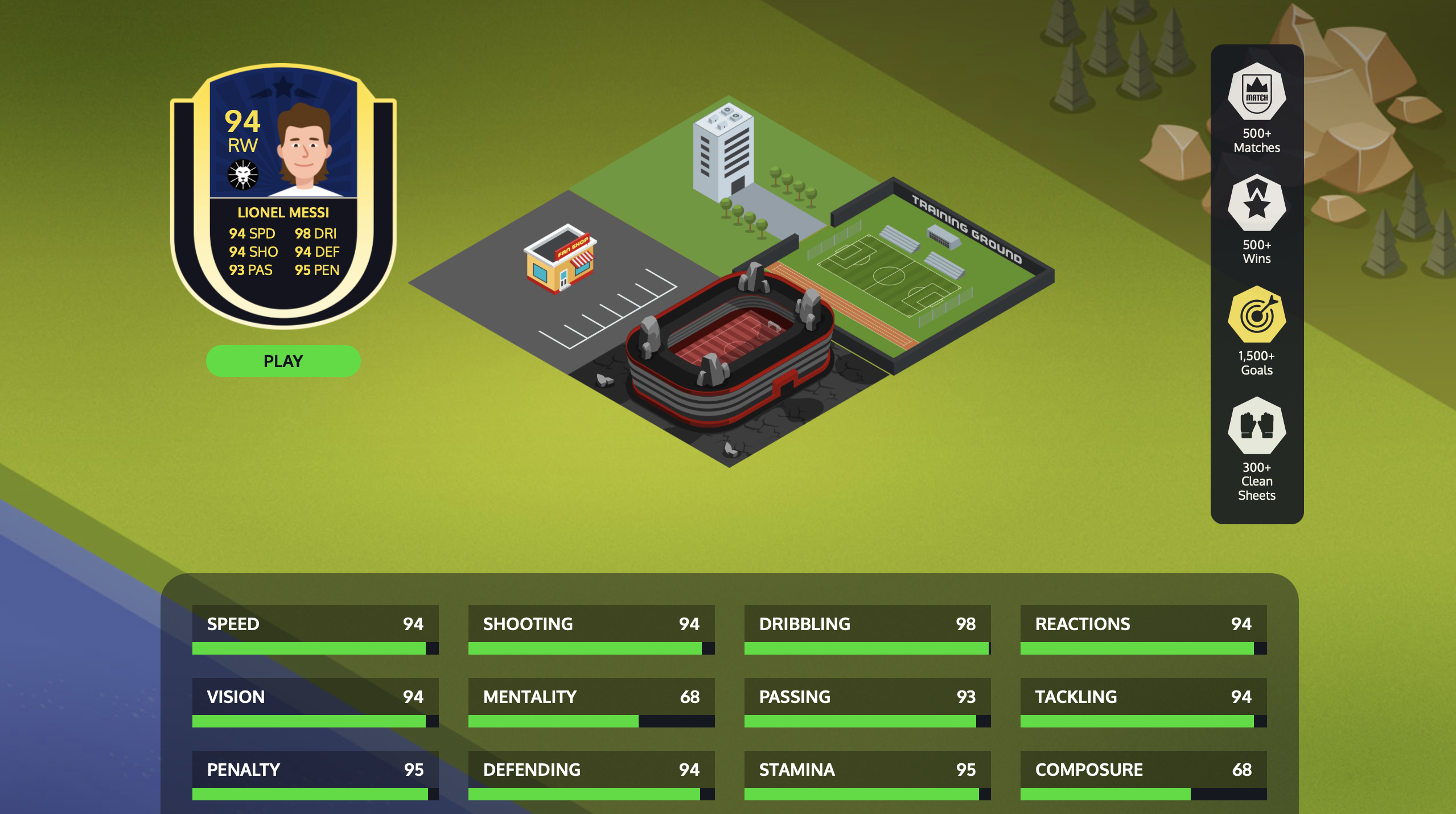
Several skills merit attention, ranging from dribbling and reactions to stamina, vision and mentality. It is tempting to alternate between them, particularly when each activity provides distinct benefits. Yet I believe a more deliberate approach to player development is preferable to attempting everything without a plan.
The first thing to understand is that Footballizer has two separate elements. There's the Player you create and develop and there are Footballer cards that you use to build your squad. Training your Player isn't the same as collecting or improving the Footballer cards in your lineup.
For this guide, I am concentrating mainly on the Player: which skills to practise, how to organise training sessions and how to make the process more enjoyable.
Start With One Skill You Want to Improve
I would not begin by trying to improve every attribute at once. Instead, I choose one skill that interests me and spend some time understanding its training game.
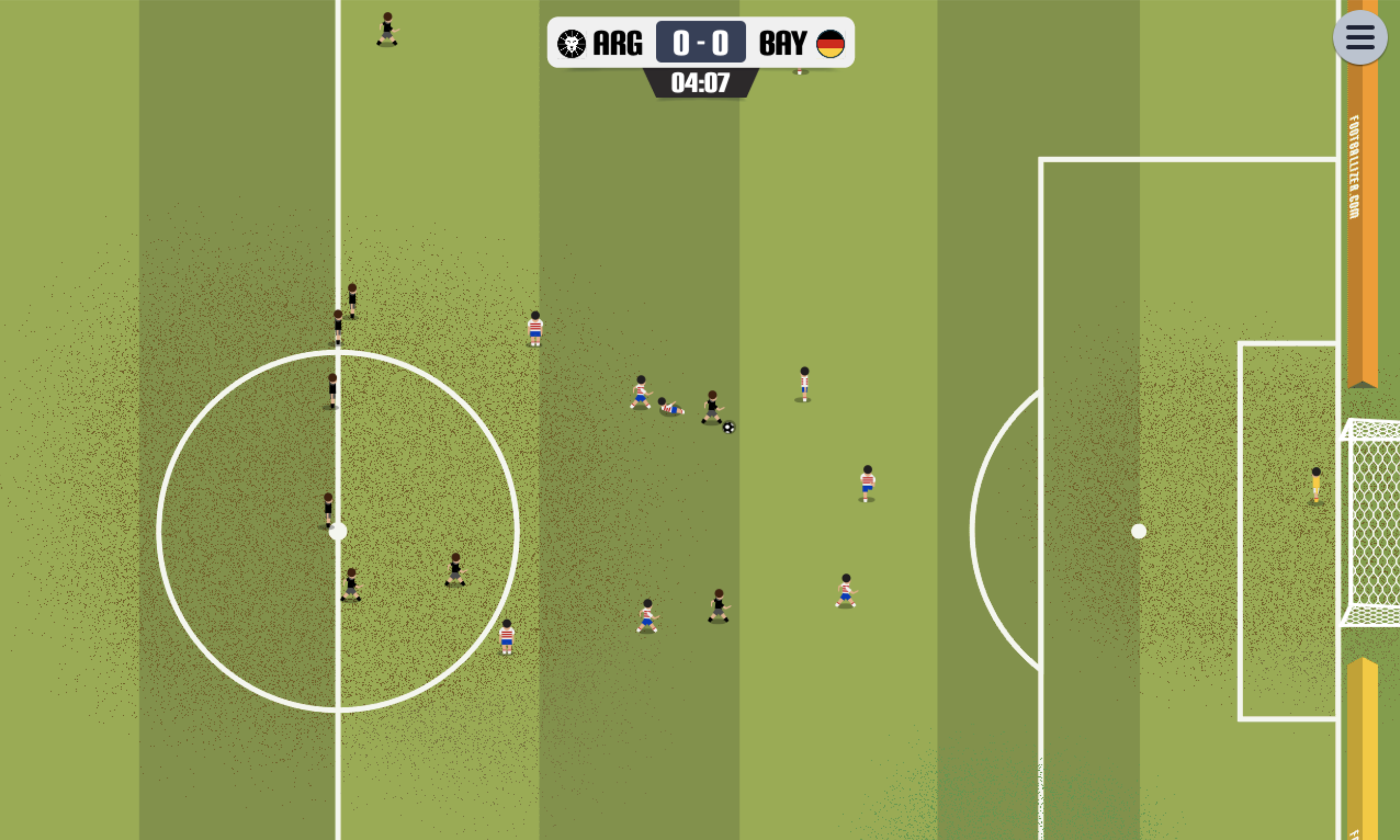
Dribbling is a good example. It involves controlling movement and responding to what's happening on the screen. Rather than rushing through a session, I pay attention to where I make mistakes.
Am I reacting too late? Am I moving too quickly? Am I struggling with the controls? Those questions are more useful than simply finishing the activity and immediately starting another one.
The same idea applies to free kicks and penalties. I would rather take a few attempts while paying attention to my timing and accuracy than repeat the activity without learning anything from it.
Once I am more confident with a training game, I would shift to another. This does not imply that every player must follow the same sequence. A person who enjoys shooting might start with penalties, whereas another individual could favour reactions or tactical drills.
Why I Wouldn't Ignore Reactions and Vision
Some attributes are easier to appreciate than others. Shooting and dribbling are obvious football skills. You can immediately understand why they matter. Reactions and vision might seem less exciting, but I think they're worth exploring early.
Reaction training challenges how quickly you respond to information. Vision training focuses on awareness and recognising what's happening. These are interesting skills because football isn't only about executing an action. It's also about recognising the right moment to act.
Think about a midfielder receiving the ball under pressure. The ability to notice a passing option quickly can be just as important as the pass itself. Footballizer's training games offer a way to practise different aspects of that process.
I wouldn't claim that completing a vision exercise automatically makes someone a better real-world midfielder. But I do like the idea of practising awareness and decision-making alongside more familiar skills. For my own training plan, I would give reactions and vision regular attention instead of treating them as activities to try only once.
Give Stamina and Mentality Some Attention
If I spent every session practising attacking skills, I would eventually want a change. That is where stamina and mentality training come in.
They introduce different challenges and encourage me to think about Player development beyond dribbling and shooting. I see this as a useful way to keep training varied. Repeating the same exercise for too long can become boring, even when you're making progress.
Switching between different activities gives each session a little more variety. I wouldn't necessarily train stamina every time I log in, but I would include it regularly. The same goes for mentality.
The aim isn't to find a magical combination of attributes. It's to explore the training options, understand what each one involves, and avoid neglecting entire areas of Player development.
A Training Session I Would Actually Follow
I prefer shorter sessions with a clear purpose over a long checklist of activities. For example, if I had around twenty minutes to spend on Player development, I'd divide that time into three parts.
I'd begin with dribbling for a few minutes. During that time, I'd concentrate on improving my control rather than rushing to finish. Next, I'd switch to reactions or vision. That would give me a different challenge and stop the session from feeling repetitive.
I would return to whichever activity I found most difficult. That last part matters to me. It's easy to spend all your time on training games you're already comfortable with. Working on something that needs improvement is usually more interesting in the long run.
On another day, I might replace dribbling with free kicks or penalties. This is a suggested practice routine, not an official Footballizer progression formula. The game doesn't require everyone to follow the same schedule. I would adjust the routine depending on the available training activities and the skills I wanted to practise.
Try Gamercise for a Different Kind of Practice
One feature that caught my attention is Gamercise. Unlike the usual browser-based training activities, Gamercise uses a camera to recognise certain physical movements.
The available exercises include activities such as heading, juggling, squats, and shoulder raises. It is a different approach from using a keyboard or mouse, and that is what makes it interesting to me. For someone who spends a lot of time playing games while sitting at a desk, an activity involving movement offers a welcome change.
Of course, camera-based exercises won't suit everyone. You need suitable equipment, enough space, and a setup that can recognise your movements properly.
I would treat Gamercise as another training option rather than something that needs to replace the standard exercises. If it works well with your setup, it could add variety to your Player development sessions.
Use the Academy When Something Isn't Clear
I also think the Footballizer Academy deserves a mention, particularly for beginners. It contains explanations of football-related concepts, skills, tactics, and game features.
If I came across an attribute I didn't fully understand, I'd rather read about it than guess what it does. Vision, mentality, positioning, and reactions are good examples of terms that can mean slightly different things depending on the context.
Understanding the football concept behind an attribute can make training feel more purposeful. The Academy isn't a shortcut to improving your Player, but it can help you understand what you're practising and why.
My Approach to Long-Term Player Development
If I were starting from the beginning, I wouldn't worry too much about creating the perfect training schedule. I would choose two or three activities, become familiar with their controls, and check how my Player develops over time. After a few sessions, I would introduce another skill.
I would also keep some variety in the routine. Spending every day on the same exercise would probably make me lose interest, regardless of the progress I was making. Most importantly, I wouldn't chase a particular overall rating without understanding how the individual attributes work.
A rating is useful for showing progress, but the training activities themselves are a significant part of Footballizer. For me, learning to complete an exercise more confidently is a more satisfying experience than simply watching a number change.
About the Creator
Inkford
A writer with an interest in tech, sports, gaming and the things happening around us.
Enjoyed the story? Support the Creator.
Subscribe for free to receive all their stories in your feed.
Comments
There are no comments for this story
Be the first to respond and start the conversation.