
Are Video Games Really a Threat to Children?
Grand Theft Auto VI has arrived with its customary implications for younger audiences, but what risks do violent games truly pose?


As is traditional for every new Grand Theft Auto game, GTA VI’s climactic emergence this week has raised the age-old questions as to the effect of violent video games on an audience, most prominently on younger, more impressionable players. Politicians on both sides of the political fence are notorious amongst the gaming community in their compulsion to hold video games accountable for violent crime rates when such a controversial, high-profile game as Grand Theft Auto VI is released. Concerned parents too are taking to social media to publicly challenge this kind of content and the effect they fear it will have on their children. I recently came across an interesting report from a psychologist that went so far as to suggest that kids can develop signs of trauma from even second-hand exposure as parents and family members consume age-restrictive content around the house. On that topic, I want to share a story:
When I was a kid, I scared pretty easily; I often used to wake my parents up in the middle of the night so they could confront the monster lurking in the cupboard. I played a lot of games and watched a lot of movies, and they were generally fantasy-based RPGs or cartoons that were no more than a 12-rating. But I distinctly remember one day coming downstairs and finding my brother playing Resident Evil 2 in the living room - back in those days, we weren’t talking photorealistic graphics, but in the mind of a child, imagination can fill in a lot of blanks. I remember being terrified by the hordes of zombies and the tense horror-based action on the screen, but I didn’t run away. I kept one eye round the corner of the wall I was hiding behind because, contrary to what one might expect, I actually felt protected from the game because my brother was in control of it - yeah, there were zombies that were trying to come out the screen and eat me, but they couldn’t because my brother was shooting them.
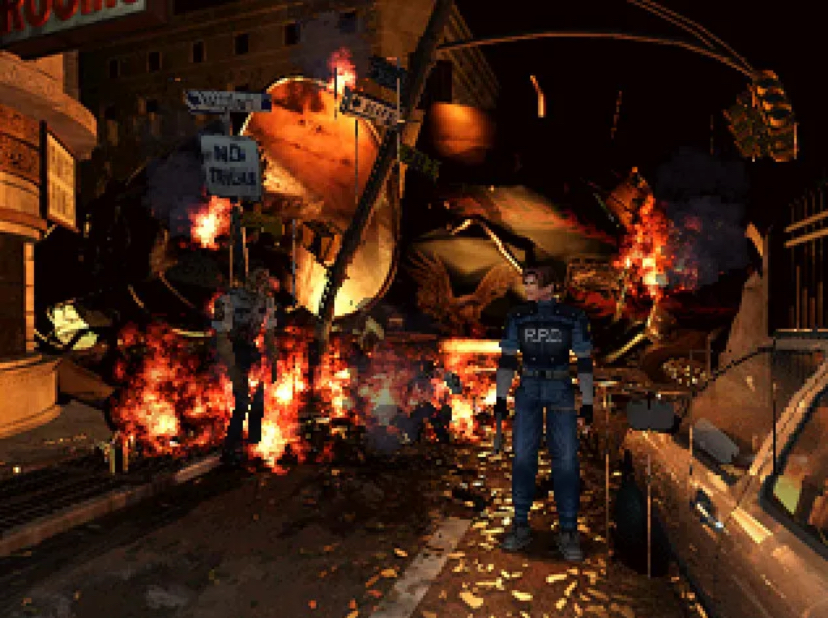
And now, I play those games myself; today, I’m the one doing the protecting. I actually find a lot of comfort and safety in horror games because watching my brother play them protected me emotionally whilst I came to learn that they were just games - seeing zombies in games and movies in fact makes me very happy now because of that singular nostalgic experience that helped me learn to identify my own safety in the face of intimidating fiction.
My brother played many games that I inherited, and with him playing them in my stead, I was safe to take my time in acknowledging my own safety when exposed to this kind of content. So, with sensible supervision, I disagree that exposure alone causes trauma. Parents have a responsibility to ensure that exposure is controlled and monitored, but it’s short-sighted and hysterical to assume that any exposure at all will cause your children harm, particularly when games in their capacity as fictional, inconsequential worlds allow kids to explore consequences to their actions in what will become a safe, harmless way of expressing themselves.

Subject matter is, of course, a difficult area when it comes to games like Grand Theft Auto which feature some particularly adult themes that simply aren’t appropriate for children, but again using myself as an example, a lot of my social education about the less savoury elements of the world we live in were explored and interpreted in a safe environment thanks to games like these, and as a result, my comprehension of and response to these subjects in real life were much more considered and prepared thanks to the time spent in my ‘safe space’ of video games. I learnt about sex, drugs and racism from Grand Theft Auto, I learnt about politics, war and capitalism from Metal Gear Solid, I learnt about the climate crisis and imperialism from Final Fantasy, I learnt about corporate corruption and virology from Resident Evil, I learnt about depression, loss and emotional health from Silent Hill; games were responsible for a tentative introduction to a lot of critical adult subject matters that children don’t traditionally learn about, and a lot of these subject matters now persist as passionate critical factors for my personal values as a mature member of society.
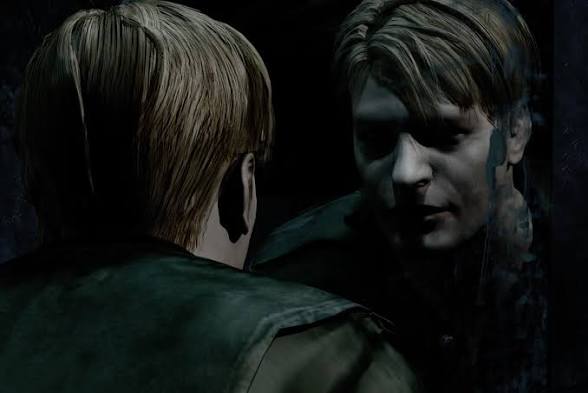
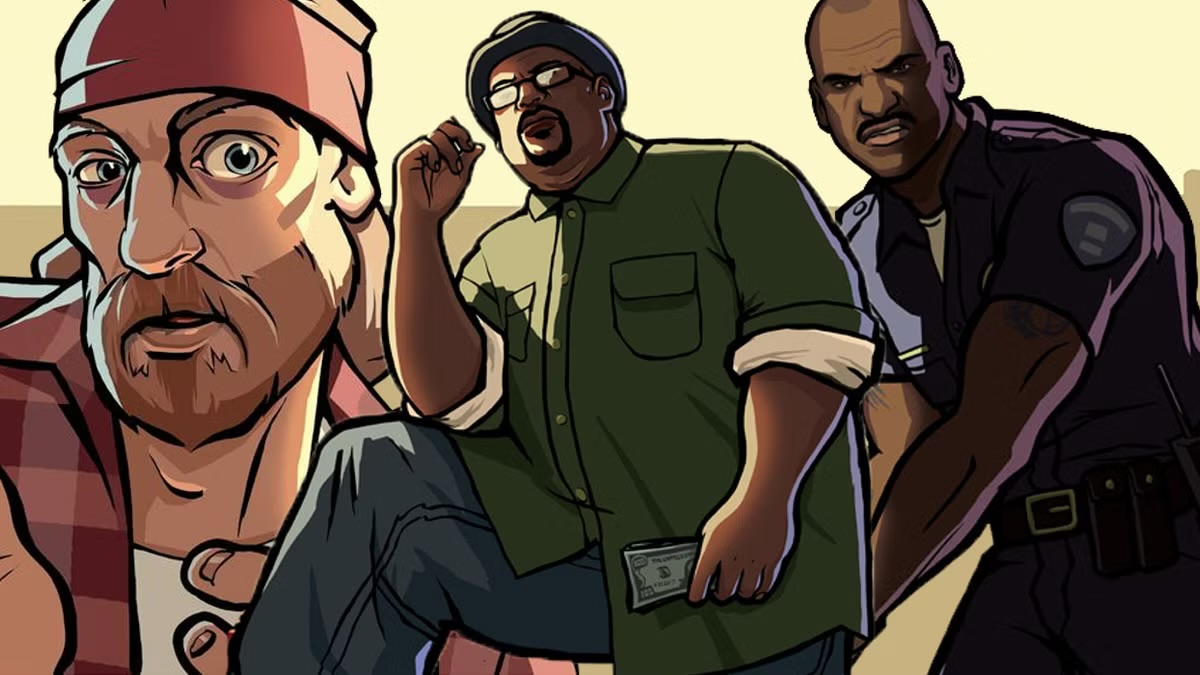
So are video games truly a threat to children? I think that depends on the environment they’re playing in. Whether the graphical evolution and the advent of artificial photorealism has an effect on a child’s perception of fantasy is, in itself, worthy of investigation and study, but emotional security is observably the key. Make a child feel as if they have safety and security in their home life, and they will learn the difference between what’s real and what’s fiction; they’ll learn what will disappear when they turn the console off, and how to comprehend the things that won’t. A child in a safe and loving environment knows that even when fiction seems real, nothing can hurt them for as long they have people around them to fend off the zombies, until the day comes that they’re brave enough to do it themselves.
About the Creator
Jamie 'Pappers' Papworth
I'm a chatty creative from the UK with a passion for the written word and an opinion on all things worthy of insightful discussion. Expect games, movies, music, politics, ethics and a general waffle about the times we live in.
Enjoyed the story? Support the Creator.
Subscribe for free to receive all their stories in your feed.
Comments
There are no comments for this story
Be the first to respond and start the conversation.