
U.S. Army Debuts AI-Driven TITAN Battlefield Trucks: Data Becomes the New Firepower
In modern warfare, the side that understands the battlefield faster often wins before the first shot is fired.

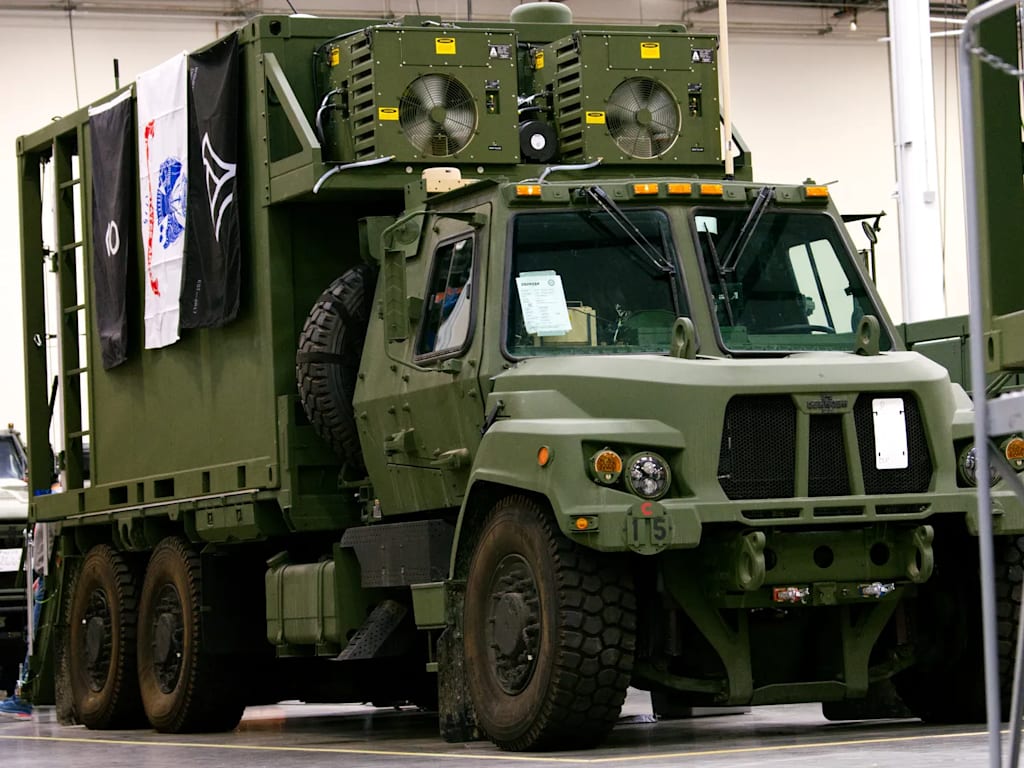
A New Kind of Power on the Battlefield
There was a time when military strength was measured by how much force you could deploy. Today, that equation is changing. With the debut of AI-driven TITAN battlefield trucks by the United States Armythe focus is shifting toward something less visible but far more influential: information.
From my perspectivethis isn’t just a new vehicle. It’s a new way of thinking about how decisions are made in real time.
What Is the TITAN System?
TITAN stands for Tactical Intelligence Targeting Access Node. At its core its not a combat vehicle in the traditional sense. Its a mobile intelligence platform designed to process analyze and distribute battlefield data.
Its core purpose includes
- Gathering data from multiple sources
- Processing that data quickly
- Supporting targeting and operational decisions
- Delivering actionable insights to commanders
In simple terms it turns raw information into usable intelligence on the move.
Why AI Integration Matters
Modern operations generate massive amounts of data from sensors satellites and communication systems.
The challenge isnt collecting data anymore. Its understanding it fast enough to act.
- AI helps solve this by
- Filtering relevant information from large datasets
- Identifying patterns and insights
- Reducing decision-making time
- Supporting more accurate targeting
From what I’ve seen the real advantage lies in speed and clarity not just capability.
Key Features of TITAN Battlefield Trucks
The TITAN system is designed to operate as a smart mobile hub.
- Notable capabilities include
- AI-driven data processing for rapid analysis
- Integration with multiple data sources including sensors and networks
- Mobility to operate close to the battlefield
- Real-time intelligence delivery to decision-makers
- Scalable architecture for different mission needs
These features make it less of a vehicle and more of a decision engine on wheels.
How This Changes Battlefield Operations
The introduction of systems like TITAN shifts how operations are planned and executed.
- Key operational impacts
- Faster identification of targets
- Improved coordination between units
- Reduced delay between detection and action
- Enhanced situational awareness
In my opinion this moves the focus from reacting to events to anticipating them.
Engineering Behind the System
Building a platform like TITAN involves combining multiple complex systems into one reliable unit.
- Core engineering challenges include
- Managing large volumes of data in real time
- Ensuring system reliability under extreme conditions
- Integrating AI without compromising control
- Maintaining secure communication channels
From my perspective the real challenge is not just processing data its doing so accurately and consistently under pressure.
The Role of the Broader Ecosystem
Advanced systems like TITAN rely on a wide network of contributors. Organizations such as Airbus Parts & Accessories operate within larger aerospace and defense ecosystems supporting components logistics and infrastructure that help sustain complex platforms.
This highlights how innovation is often the result of collaboration across industries.
Why This Development Matters
The debut of TITAN reflects a broader shift in how military capability is defined.
Key trends
- Increasing reliance on AI and data systems
- Emphasis on real-time intelligence
- Movement toward integrated networked operations
- Focus on speed and decision-making efficiency
From what I’ve seen this is a clear move toward information-driven operations.
What the Future Might Look Like
As systems like TITAN evolve their role is likely to expand.
- Possible future developments
- Greater autonomy in data analysis
- Improved integration with other platforms
- Faster and more accurate decision support
- Expanded use across different operational environments
In my view these systems will become central to how operations are conducted.
Final Thoughts
Information, when used at the right moment, is more powerful than force.
About the Creator
Beckett Dowhan
Where aviation standards meet real-world sourcing NSN components, FSG/FSC systems, and aerospace-grade fasteners explained clearly.
Enjoyed the story? Support the Creator.
Subscribe for free to receive all their stories in your feed.
Comments
There are no comments for this story
Be the first to respond and start the conversation.