
The Vintage Revival Is Not Nostalgia. It Is a Reaction to Fast Fashion Fatigue
Why retro silhouettes, secondhand shopping, and vintage-inspired dresses are becoming part of the same fashion conversation.
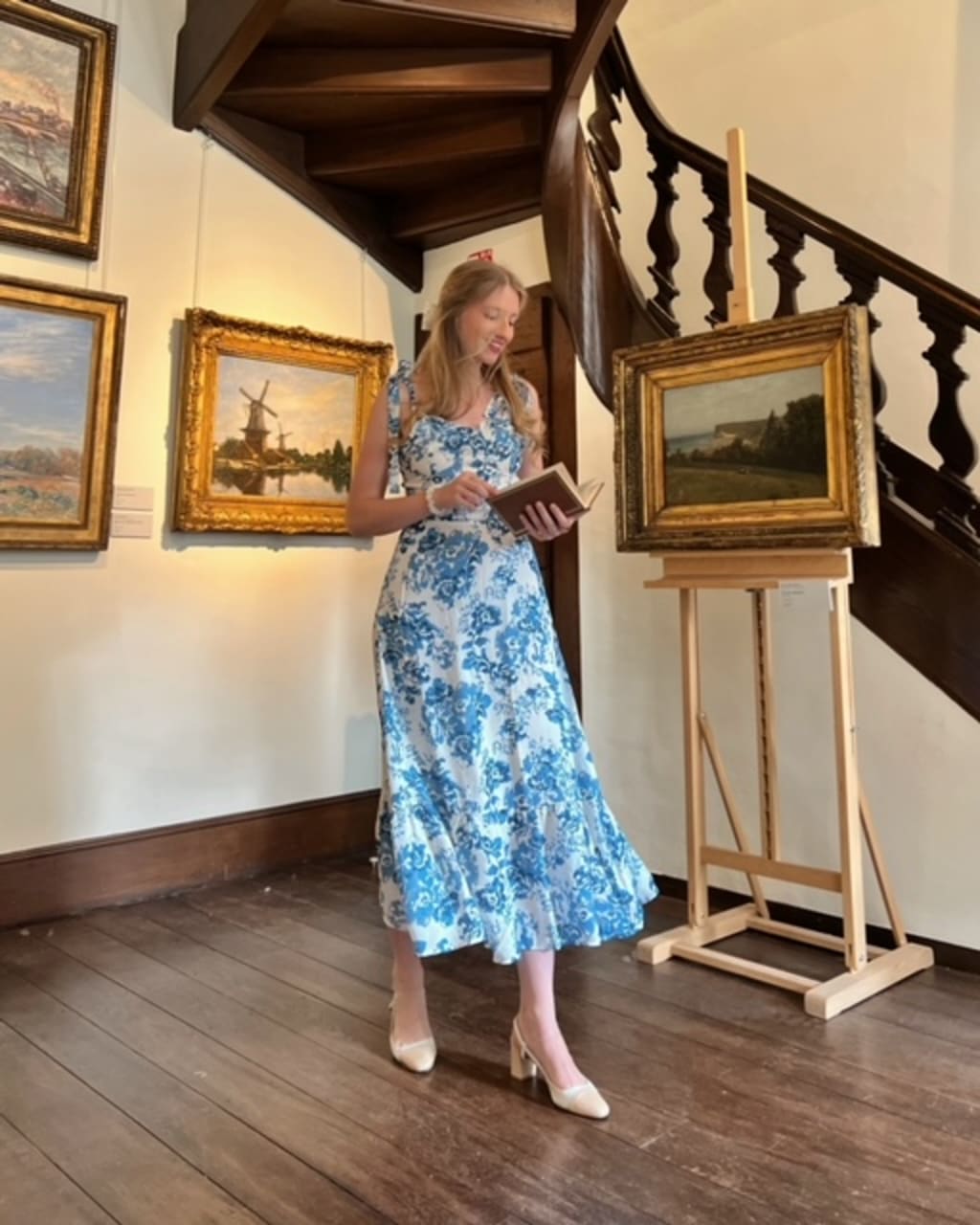
A few years ago, vintage still had a slightly narrow reputation. It belonged to people who knew how to dig through racks, people who could tell a 1970s collar from an 1980s one, people with the patience to check seams, labels, stains, and shoulder pads under fluorescent thrift-store lighting.
Now the word has moved.
Vintage is on red carpets. It shows up in resale reports, wedding guest outfits, office dressing, TikTok hauls, archive sales, and the way younger shoppers talk about clothes that feel less disposable. Not everyone is wearing original vintage, though. A lot of people are wearing vintage language: square necklines, A-line skirts, neat collars, polka dots, cardigan sets, soft tailoring, cinched waists, and dresses that look as if they remember another decade without asking you to live in it.
I do not think this is simple nostalgia. Nostalgia is too easy an explanation. People are not just looking backward because old things are charming. They are looking backward because a lot of new fashion has started to feel thin, rushed, and strangely forgettable.
The vintage revival is partly a reaction to that.
## The numbers are not romantic
Fashion people like to talk about mood. Reports are less poetic, but they explain why the mood exists.
ThredUp's 2026 resale report projects the global secondhand apparel market could reach $393 billion by 2030, growing faster than the overall apparel market. McKinsey and The Business of Fashion have also been tracking resale as a more serious part of the fashion system, not a side hobby. Their State of Fashion reporting points to consumers looking for value while prices keep rising, and brands trying to figure out resale strategies of their own.
That matters because vintage used to be discussed mainly as taste. Now it is taste plus economics.
When clothing prices rise and trend cycles move too quickly, shoppers start doing the math differently. A dress that feels tired after one photo is not cheap. A blazer that looks current for three months and then looks dated is not a bargain. A secondhand find, an archive piece, or even a modern dress with an older silhouette can feel smarter because it is less tied to a microtrend.
People are not only buying clothes. They are buying permission to slow the cycle down.
## Fast fashion made sameness too visible
The other reason vintage feels fresh is that fast fashion made everything too available.
That sounds like a contradiction. Availability should be good. In practical terms, it often is. But when every trend is everywhere within weeks, clothes lose a little mystery. The same cut, the same print, the same "viral" dress appears across different sites with different labels. You can feel the algorithm before you feel the fabric.
Vintage breaks that pattern.
An original vintage piece has scarcity built into it. You may never find the same one again. The scarcity is part of the appeal. But even vintage-inspired clothes borrow some of that feeling when they use older design codes instead of chasing whatever is newest this week. A square neckline does not need to explain itself. A full skirt does not need to be "viral" to make sense. A polka dot dress is rarely shocking, but it can still look alive when the proportion is right.
This is why retro style keeps slipping back into modern wardrobes. It gives people shape. It gives them reference. It gives them a way to look dressed without looking like they subscribed to a trend forecast.
## Vintage does not have to mean costume
The biggest mistake with retro dressing is copying the decade too literally.
A 1950s-style dress with a full skirt can look beautiful. Add the wrong hair, the wrong shoe, the wrong bag, and suddenly the outfit becomes a theme night. A 1970s blouse can look relaxed and clever. Pair it with every other 1970s cue at once, and the clothes start wearing the person.
Good vintage-inspired dressing is more selective. It takes one piece of the past and lets the rest of the outfit stay current.
That might mean:
- a square neckline with simple modern flats
- a polka dot midi dress with clean hair and no extra retro styling
- a cardigan over straight-leg denim
- a button-front dress worn with a plain leather bag
- an A-line skirt with a fitted knit instead of a full period look
The old reference is there, but it is not shouting.
Modern brands have room to work here, too. Not every shopper wants to hunt for an original archive piece. Some people want the feeling of vintage with easier sizing, cleaner condition, and fewer surprises. Vintage-inspired dressing no longer has to mean wearing original archive pieces. Some shoppers buy secondhand. Others borrow the language of older fashion through modern pieces: square necklines, A-line skirts, soft collars, polka dots, and vintage-inspired dresses that feel familiar without looking like costume.
That single difference matters: familiar, not costume.
## The new vintage shopper is not one person
There is no single vintage customer anymore.
One shopper wants true secondhand because she cares about waste. Another wants designer archive pieces because they feel more special than new luxury. Someone else wants affordable retro-inspired clothes because she likes the silhouette but does not want to gamble on condition or sizing. A fourth person just wants a dress that does not look like every other dress at brunch.
They are not shopping the same way, but they are reacting to the same problem: too much sameness, too much speed, too little memory in the clothes.
The word "vintage" has stretched because of that. Purists may hate it. I understand why. Original vintage is not the same thing as a new dress with a retro neckline. The history, construction, fabric, and scarcity are different. But language follows behavior, and shopper behavior has become messier than the old categories.
Vintage now sits on a spectrum:
- original vintage
- designer archive
- secondhand contemporary pieces
- upcycled clothing
- retro-inspired new clothing
- modern basics styled with older references
The smart thing is not to pretend those are identical. The smart thing is to know which one you are actually buying.
## What the revival says about taste
The most interesting part of the vintage revival is not the clothing itself. The real shift is what people want clothing to do.
For a long stretch, fashion trained people to chase novelty. New drop, new color, new silhouette, new haul. That still exists, obviously. But more shoppers are also asking quieter questions now.
Will I still like this next year?
Does it look like me, or just like the internet this month?
Can I wear it more than once without feeling like I have repeated myself?
Does it have enough character to survive a simple outfit?
Vintage answers those questions well because it has already survived time. Vintage-inspired clothing has to work harder, because it does not have age on its side. It needs good proportion. It needs restraint. It needs to borrow from the past without using the past as decoration.
Bad retro fashion often fails there. It grabs the obvious parts: a bow, a dot, a puff sleeve, a bright color. Then it forgets the structure. Real retro influence is often less cute than that. It lives in the waist placement, the skirt shape, the collar size, the sleeve length, the way a print is scaled.
The detail should change how the garment behaves, not just how it photographs.
## Why this is not going away quickly
Vintage fashion tends to outlast trend headlines because it is tied to several things at once.
The sustainability argument matters. So does price. Individuality matters, too. And then there is the emotional part: people like clothes that feel as if they came from somewhere.
A brand-new dress can have that feeling if it is designed with enough point of view. A secondhand dress can have it because someone else already lived in it. An archive piece can have it because it carries design history. The route changes, but the desire is similar.
People want clothes with a little more density.
Not heavy clothes. Not expensive clothes by default. Just clothes that do not feel emptied out by the speed of the market.
## My read
The vintage revival is not really about dressing like the past. It is about escaping the flatness of the present.
That does not mean everyone needs to buy secondhand or build a wardrobe from old pieces. It does mean shoppers are becoming more sensitive to clothes that feel rushed. They notice when a dress has no shape beyond the print. They notice when a trend disappears before the fabric even softens. They notice when "new" starts to feel like "again."
Vintage gives them another option.
Sometimes that option is a real 1990s slip dress found after an hour of searching. Sometimes it is a 1950s-inspired silhouette made today. Sometimes it is just choosing a collar, skirt shape, or print that has already proved it can survive more than one season.
That is the part worth watching. Not the nostalgia. The refusal to keep buying clothes with no memory.
## Further reading
ThredUp 2026 Resale Report
The Business of Fashion and McKinsey, The State of Fashion 2026
British Vogue, The Biggest Vintage Trends of 2025, According to the Experts
About the Creator
Enjoyed the story? Support the Creator.
Subscribe for free to receive all their stories in your feed.
Comments
There are no comments for this story
Be the first to respond and start the conversation.