
The Role of Manufacturers in Maintaining Product Quality and Industry Standards
How Manufacturing Excellence Ensures Reliability Compliance and Customer Trust Across Industries
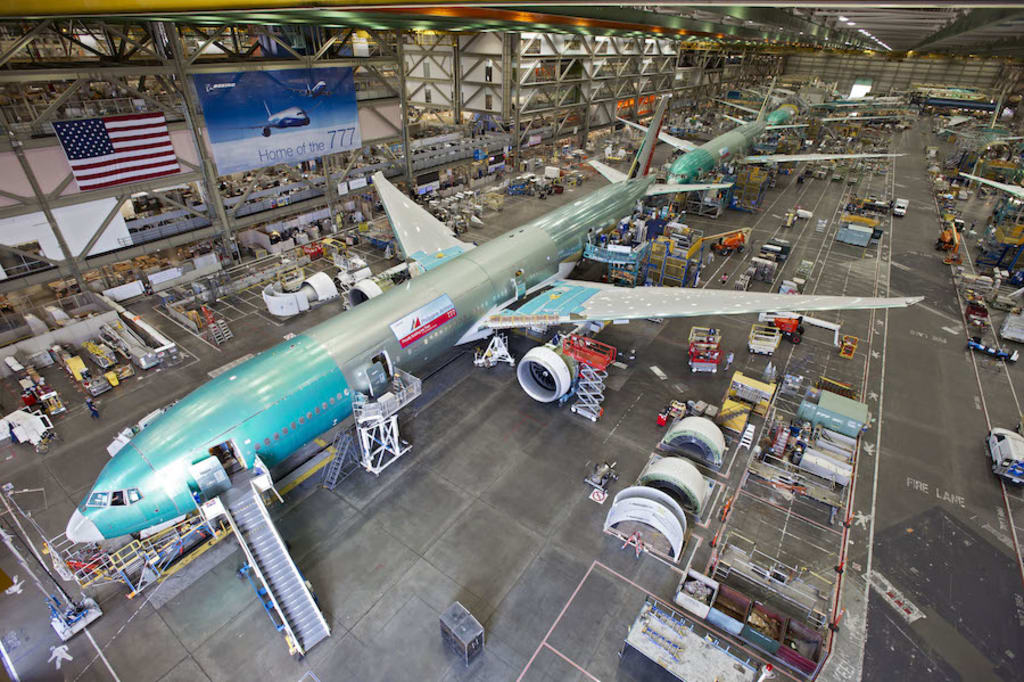
In today’s highly competitive global marketplace product quality and industry compliance have become critical factors for business success. Organizations across aerospace electronics automotive industrial and defense sectors depend on reliable products.
That consistently meet performance expectations and regulatory requirements. At the center of this process are manufacturers who play a vital role in designing producing testing and validating products before they reach end users.
Manufacturers are responsible for more than simply producing goods. They establish quality control procedures implement industry standards and continuously improve production methods to ensure reliability and consistency.
Their commitment to excellence directly influences customer satisfaction operational efficiency and brand reputation. As industries continue to evolve and adopt advanced technologies the role of manufacturers in maintaining product quality has become more important than ever.
Understanding Product Quality in Manufacturing
Product quality refers to the ability of a product to meet specified requirements and perform its intended function consistently. High quality products are reliable durable safe and capable of meeting customer expectations under various operating conditions.
Manufacturers achieve product quality through careful planning engineering and production processes. Every stage of manufacturing from raw material selection to final inspection contributes to the overall quality of the finished product. Quality is not a single activity but an ongoing commitment that requires continuous monitoring and improvement.
Organizations that prioritize quality are better positioned to build customer trust reduce operational risks and maintain long term business growth.
Establishing Industry Standards and Compliance
Industry standards provide a framework that manufacturers use to ensure consistency safety and performance. These standards are developed by regulatory authorities and industry organizations to establish minimum requirements for products and processes.
Manufacturers must comply with these standards throughout the production cycle. Compliance involves following approved manufacturing practices conducting regular inspections and maintaining detailed documentation. By adhering to recognized standards manufacturers.
Help ensure that products meet regulatory requirements and can be used safely in their intended applications.Industries such as aerospace healthcare and electronics rely heavily on strict compliance standards because product failures can have serious operational and safety consequences.
Quality Control as a Core Manufacturing Function
Quality control is one of the most important responsibilities of manufacturers. Effective quality control systems help identify defects before products reach customers and ensure that production processes remain consistent.
Modern manufacturing facilities use advanced inspection equipment testing procedures and automated monitoring systems to verify product performance. These systems allow manufacturers to detect potential issues early and implement corrective actions before problems affect production output.
Quality control also supports continuous improvement by providing valuable data that can be used to enhance manufacturing processes and improve product reliability.
The Importance of Supplier and Material Management
The quality of a finished product depends heavily on the quality of the materials used during production. Manufacturers work closely with suppliers to ensure that raw materials and components meet required specifications.
Reliable supplier relationships are essential for maintaining consistent product quality. Manufacturers often evaluate supplier performance through audits inspections and certification programs to ensure compliance with quality standards.
Companies such as lewis corp and other industry participants understand the importance of sourcing dependable materials and maintaining strong supplier networks to support consistent manufacturing performance and customer satisfaction.
Technology and Advanced Manufacturing Processes
Technological advancements have transformed modern manufacturing and significantly improved quality management capabilities. Automation robotics artificial intelligence and data analytics are helping manufacturers achieve greater precision and efficiency.
Advanced manufacturing systems can monitor production in real time identify variations and make automatic adjustments to maintain quality standards. These technologies reduce human error improve consistency and increase overall production efficiency.
Digital tools also provide manufacturers with valuable insights into process performance enabling them to identify opportunities for improvement and optimize operations continuously.
Employee Training and Operational Excellence
Maintaining product quality requires more than advanced equipment and technology. Skilled employees play a crucial role in ensuring that manufacturing processes are executed correctly and consistently.
Manufacturers invest in employee training programs to ensure that workers understand quality standards safety procedures and operational best practices. Well trained personnel are better equipped to identify potential issues and contribute to continuous improvement efforts.
A strong culture of quality encourages employees at all levels to take responsibility for product excellence and support organizational goals.
Building Customer Trust Through Quality
Consistent product quality is one of the most effective ways manufacturers can build and maintain customer trust. Customers expect products to perform reliably and meet their specifications every time they make a purchase.
Manufacturers that consistently deliver high quality products establish strong reputations within their industries. This reputation can lead to repeat business stronger customer relationships and increased market competitiveness.
Customer trust is particularly important in industries where reliability and safety are critical. By maintaining rigorous quality standards manufacturers demonstrate their commitment to delivering dependable products and services.
Continuous Improvement and Future Industry Demands
The manufacturing industry continues to evolve as customer expectations regulatory requirements and technological capabilities change. To remain competitive manufacturers must embrace continuous improvement and adapt to new challenges.
Continuous improvement involves regularly evaluating processes identifying inefficiencies and implementing In today's competitive global marketplace product quality and industry compliance are essential for business success.
Organizations across aerospace electronics automotive industrial and defense sectors depend on products that consistently meet strict performance and safety requirements. Behind every reliable product is a manufacturer committed to maintaining high standards throughout the production process.
Manufacturers play a crucial role in ensuring that products are designed produced tested and delivered according to industry regulations and customer expectations. Their efforts help minimize defects improve operational efficiency and build long-term customer trust.
Companies such as lewis corp demonstrate how strong quality management practices and manufacturing expertise contribute to producing dependable products that meet industry demands.
Understanding Product Quality in Manufacturing
Product quality refers to a product's ability to perform its intended function consistently and reliably. High-quality products are durable safe efficient and capable of meeting customer expectations over time. Achieving this level of quality requires careful planning rigorous testing and continuous monitoring throughout the manufacturing cycle.
Manufacturers establish detailed production procedures to ensure consistency at every stage. From selecting raw materials to conducting final inspections every process is designed to meet specific quality objectives. By maintaining strict standards manufacturers can reduce production errors and deliver products that perform reliably in real-world applications.
The Importance of Industry Standards
Industry standards provide manufacturers with clear guidelines for producing safe and reliable products. These standards are developed by regulatory organizations and industry authorities to ensure consistency across different sectors.
Manufacturers must follow established requirements for design production testing and documentation. Compliance with these standards helps ensure that products meet safety regulations and perform as intended. In industries such as aerospace healthcare and electronics where reliability.
Is critical adherence to industry standards is particularly important.By maintaining compliance manufacturers demonstrate their commitment to quality and help protect both customers and end users from potential risks.
Quality Control as the Foundation of Manufacturing Excellence
Quality control is one of the most important responsibilities within the manufacturing process. It involves monitoring production activities inspecting products and identifying defects before products reach customers.
Modern manufacturing facilities use advanced testing equipment automated inspection systems and data-driven monitoring tools to verify product quality. These technologies help manufacturers detect issues early and take corrective action before defects affect production output.
Effective quality control improves consistency reduces waste and supports continuous improvement initiatives. As a result manufacturers can maintain high levels of reliability while meeting customer expectations and regulatory requirements.
Supplier Management and Material Quality
The quality of a finished product often depends on the materials and components used during production. Manufacturers work closely with suppliers to ensure that all materials meet required specifications and quality standards.
Strong supplier relationships help organizations maintain consistency and reduce the risk of production disruptions. Industry leaders such as lewis corp understand that sourcing reliable materials from trusted suppliers is essential for delivering products that meet performance expectations and industry regulations.
By evaluating supplier performance and conducting regular quality assessments manufacturers can strengthen supply chain reliability and improve overall product quality.
Technology and Innovation in Modern Manufacturing
Technological advancements have significantly improved the ability of manufacturers to maintain product quality. Automation artificial intelligence robotics and advanced analytics allow organizations to monitor production processes with greater accuracy and efficiency.
Smart manufacturing systems can collect real-time data identify process variations and make adjustments that help maintain quality standards. These technologies reduce human error increase production consistency and improve operational performance.
Innovation also enables manufacturers to develop more efficient production methods while maintaining strict quality requirements. As technology continues to evolve manufacturers can leverage these tools to enhance reliability and remain competitive in rapidly changing markets.
Employee Training and Quality Culture
Technology alone cannot ensure quality. Skilled employees play a vital role in maintaining manufacturing excellence and supporting continuous improvement efforts.
Manufacturers invest in training programs that educate employees on quality standards production procedures and safety requirements. Well-trained personnel are better equipped to identify issues solve problems and contribute to operational efficiency.
Creating a strong culture of quality encourages employees to take ownership of their work and remain focused on delivering products that meet customer expectations. This commitment to excellence helps organizations achieve long-term success and maintain industry leadership.
Building Customer Trust Through Consistent Quality
Customer trust is one of the most valuable assets a manufacturer can earn. Businesses and consumers expect products to perform consistently and safely throughout their lifecycle.
Manufacturers that maintain strict quality standards build strong reputations within their industries. Reliable products lead to increased customer satisfaction repeat business and positive brand recognition.
Organizations such as lewis corp understand that maintaining product quality is not only about meeting specifications but also about creating confidence among customers who depend on reliable products for their operations.
Continuous Improvement and Future Growth
The manufacturing industry is constantly evolving due to changing customer expectations technological advancements and new regulatory requirements. To remain competitive manufacturers must embrace continuous improvement and innovation.
Continuous improvement involves analyzing production processes identifying inefficiencies and implementing solutions that enhance quality and productivity. Manufacturers that prioritize improvement are better positioned to adapt to industry changes and meet future demands.
Emerging technologies such as predictive analytics digital quality management systems and smart manufacturing platforms will continue to transform how manufacturers manage quality and compliance.
Final thought
Manufacturers play a critical role in maintaining product quality and industry standards across a wide range of industries. Through effective quality control supplier management employee training and technological innovation they ensure that products meet performance expectations and regulatory requirements.
The success of companies like lewis corp highlights the importance of maintaining a strong commitment to quality excellence and continuous improvement. By focusing on reliability compliance and customer satisfaction manufacturers can build trust strengthen their market position and achieve sustainable growth.
As industries continue to evolve manufacturers will remain at the forefront of innovation ensuring that products meet the highest standards of quality safety and performance for years to come.
About the Creator
Enjoyed the story? Support the Creator.
Subscribe for free to receive all their stories in your feed.
Comments
There are no comments for this story
Be the first to respond and start the conversation.