
The Hidden System Behind Aerospace Parts: Understanding Identification, Sourcing, and Reliability
How Precision, Data, and Trusted Networks Keep Aerospace Systems Running Smoothly

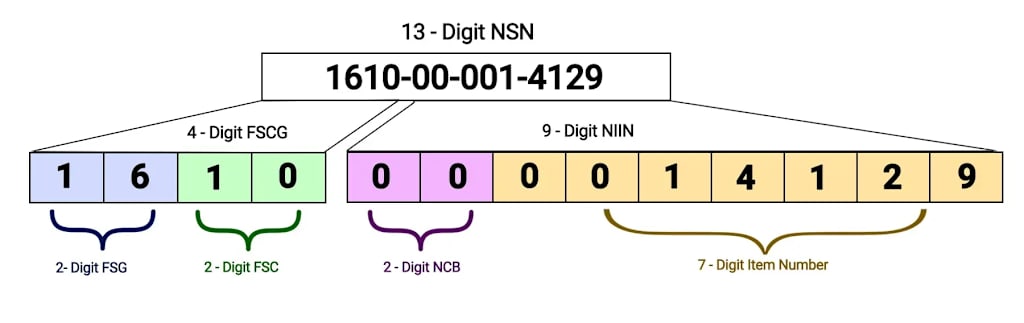
When people think about aerospace systems, they often picture powerful engines, advanced avionics, and cutting-edge aircraft design. What usually goes unnoticed is the invisible system working quietly in the background, the system responsible for identifying, sourcing, and verifying every single component used in these machines.
Over time, I’ve come to realize that aerospace reliability isn’t just about engineering brilliance. Its about how well the entire ecosystem works together, from part identification to sourcing and final installation. Every component carries a story, and understanding that story is what separates smooth operations from costly disruptions.
The Importance of Accurate Part Identification
Imagine trying to locate a specific component among millions of similar items without a standardized system. It would be chaotic, time-consuming, and highly prone to error. This is why identification systems like NSN (National Stock Number) and NIIN (National Item Identification Number) exist.
These systems act like a universal language for parts. They ensure that when a maintenance team searches for a component, they get the exact match, no confusion, no guesswork. This level of accuracy is critical in aerospace, where even a minor mismatch can lead to performance issues or safety concerns.
From my experience, proper identification is the first step toward reliability. If you get this wrong, everything that follows becomes uncertain.
Behind the Scenes of Sourcing
Once a part is identified, the next challenge is sourcing it. This is where things get interesting. Aerospace components are not always easy to find. Some parts are discontinued, others are in limited supply, and many require strict certification before they can be used.
This is where trusted suppliers and distributors come into play. They maintain vast databases of components and build relationships with manufacturers across the globe. Their role is not just to supply parts, but to ensure those parts are authentic, compliant, and ready for use.
I’ve seen situations where a delayed component caused entire operations to pause. On the other hand, efficient sourcing systems can keep everything running without interruption. The difference often comes down to experience, network strength, and access to reliable data.
Reliability Is More Than Just Quality
When we talk about reliability, most people think about the physical strength or durability of a component. But in aerospace, reliability goes much deeper than that.
It includes:
The accuracy of part identification
The authenticity of the source
The traceability of the component
The consistency of supply
A component is only truly reliable if all these factors align. Even the best-designed part can become a risk if its origin is unclear or its documentation is incomplete.
This is why experienced professionals pay close attention to sourcing channels and verification processes. Its not just about getting a part, its about trusting it.
The Role of Trusted Industry Players
Over the years, the aerospace industry has developed a strong network of manufacturers and suppliers who specialize in producing and distributing high-quality components. These organizations play a vital role in maintaining the integrity of the supply chain.
Companies like Coil Sales And Mfg Co contribute to this ecosystem by providing components that meet strict standards and support critical operations. Their involvement reflects how important it is to have reliable partners who understand the demands of aerospace systems.
Working with trusted sources not only improves efficiency but also builds confidence across the entire operation.
How Technology Is Changing the Game
One of the most noticeable changes in recent years is the role of technology in simplifying part sourcing. What used to take days or even weeks can now be done in minutes.
Digital platforms allow users to:
Search parts using NSN, NIIN, or part numbers
Access detailed specifications instantly
Request quotes quickly
Compare availability across multiple suppliers
This shift has made procurement faster, more transparent, and more efficient. It has also reduced the risk of human error, which is crucial in high-stakes industries like aerospace.
Still, technology works best when combined with human expertise. Experienced professionals know how to interpret data, verify sources, and make informed decisions that go beyond what a system can suggest.
Why This Hidden System Matters
The truth is, aerospace systems don’t just rely on engineering they rely on coordination. Identification, sourcing, and reliability are all interconnected. If one part of the system fails, the entire chain is affected.
Understanding this hidden system helps organizations:
Reduce downtime
Improve operational efficiency
Maintain safety standards
Build long-term reliability
From my perspective, this system is the backbone of aerospace operations. It may not be visible, but its impact is undeniable.
Final Thoughts
The hidden system behind aerospace parts is what keeps everything running smoothly. From accurate identification to efficient sourcing and reliable verification, every step plays a crucial role in ensuring performance and safety.
As the industry continues to evolve, the importance of this system will only grow. Organizations that understand and optimize these processes will always have an edge, not just in efficiency, but in trust and reliability.
At the end of the day, its not just about having the right part, its about knowing where it came from, how it was sourced, and whether it can truly be trusted.
FAQs
1. What is the purpose of NSN and NIIN in aerospace parts?
NSN and NIIN are standardized identification systems that help accurately locate and verify specific components, ensuring compatibility and reducing errors in procurement.
2. Why is sourcing aerospace parts challenging?
Sourcing can be difficult due to limited availability, strict certification requirements, and the need to verify authenticity and compliance.
3. How can companies ensure component reliability?
By using verified suppliers, checking documentation, maintaining traceability, and following proper identification systems.
4. What role do suppliers play in aerospace operations?
Suppliers act as a bridge between manufacturers and end-users, ensuring components are available, authentic, and ready for use.
5. How has technology improved aerospace part sourcing?
Technology has made it faster and easier to search, verify, and procure parts through digital platforms and real-time data access.
About the Creator
Beckett Dowhan
Where aviation standards meet real-world sourcing NSN components, FSG/FSC systems, and aerospace-grade fasteners explained clearly.
Enjoyed the story? Support the Creator.
Subscribe for free to receive all their stories in your feed.
Comments
There are no comments for this story
Be the first to respond and start the conversation.