
The First Animatronic Rides and Attractions
Theme Park Firsts

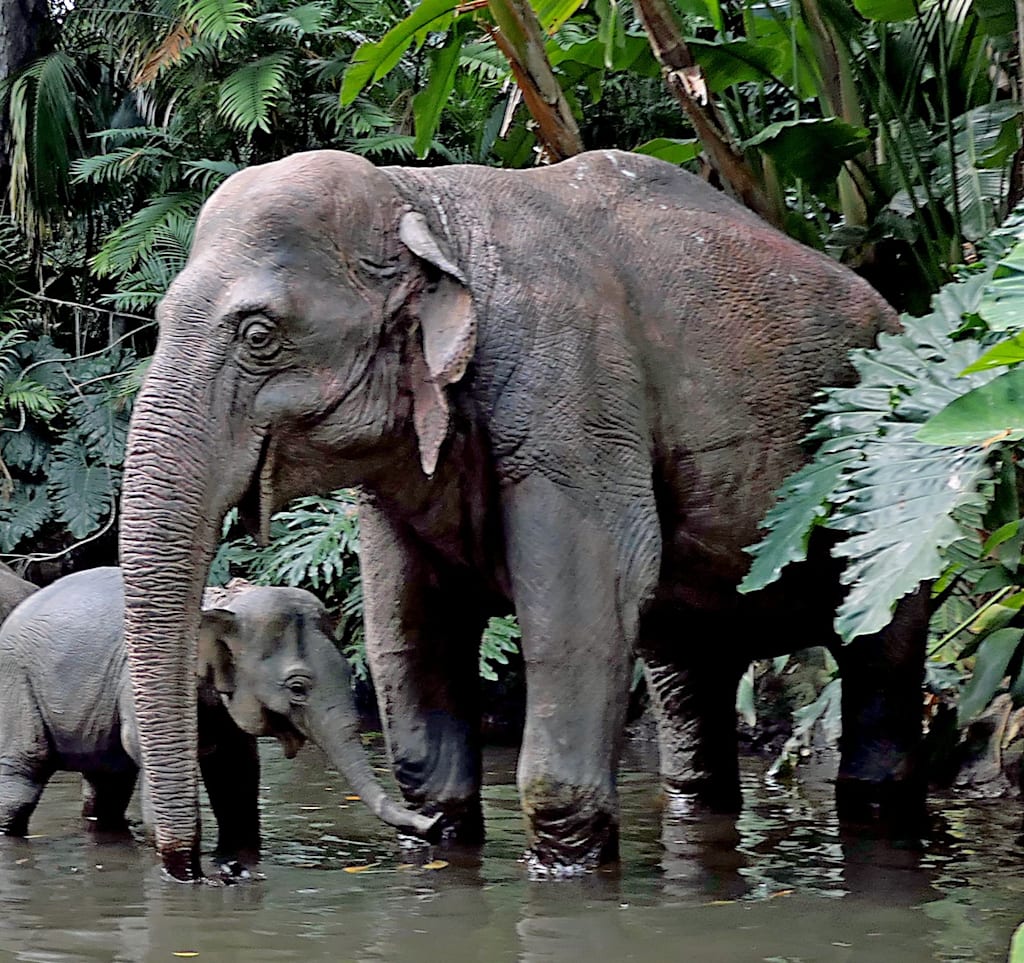
An animatronic is a form of robotic puppet. Animatronics are mainly animal or human-looking in nature and are mostly used for entertainment purposes.
Their frame, or skeleton, is the mechanical aspect, while the exterior is made to look lifelike.
In the early days of this form of technology, Walt Disney coined the term audio-animatronics as the mechanisms ran off of recordings, thus the term audio. As technology advanced, the term basically shifted to animatronics.
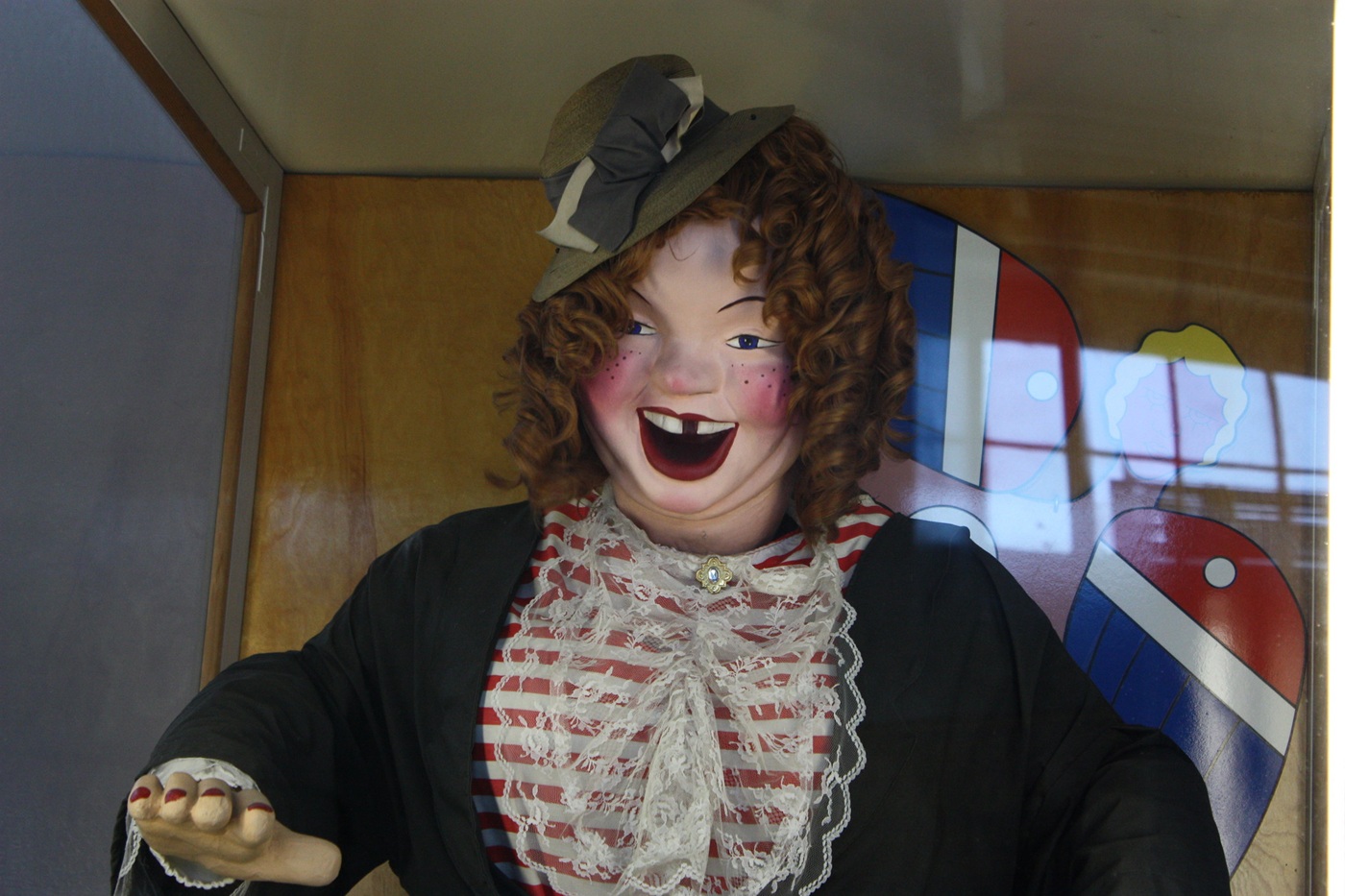
Laffing Sal
Laffing Sal (and yes, this is spelled correctly) was a very early robotic built by Philadelphia Toboggan Company in the 1930s and seen as a precursor of animatronics to come. She was made to help attract guests into fun houses or dark rides in a variety of amusement parks and carnivals all over the world.
Two rotating discs attached to a motor allowed for her gyrating hip movements while springs made movement possible in her chest, arms, and head. A repeating record player allowed her laughter to be heard. More than 200 of these early animatronics were made.
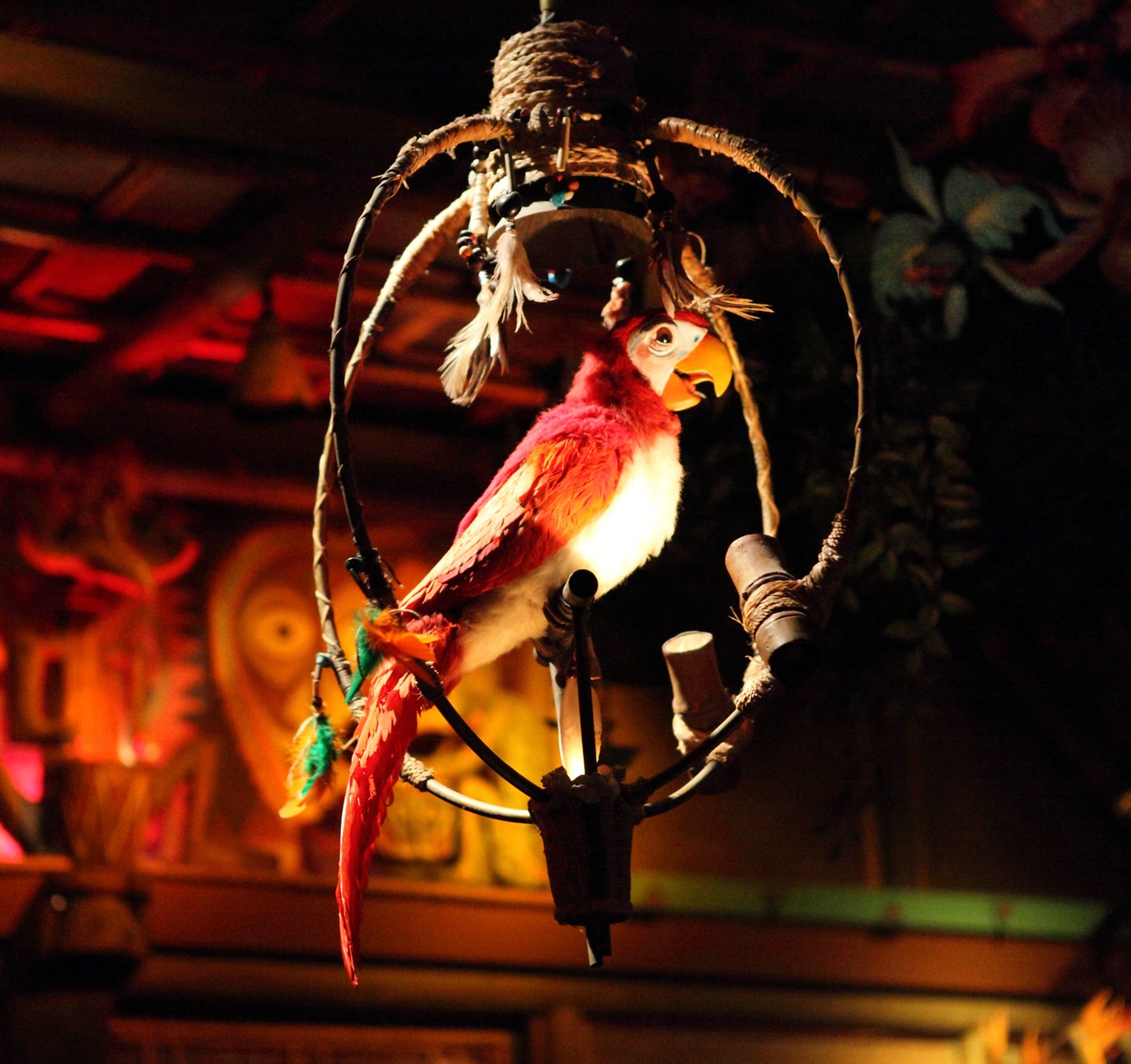
First Audio- Animatronic Attraction
The first audio-animatronic attraction appeared in 1963 when Walt Disney opened the Enchanted Tiki Room in Disneyland. The attraction is made up of over 200 audio-animatronic birds, flowers, and tiki gods.
Disney got his inspiration for the attraction after purchasing a mechanical bird in New Orleans. Disney had his Imagineers deconstruct the bird to learn how it worked and from there developed the technology to create audio-animatronics.
While the birds were under pneumatic control, the water in the fountain was under hydraulics. Compared to the advanced movement of today's animatronics, there was much less movement back then due to the limited amount of air pressure that could be used.
However, the Imagineers were using some of the same technology that NASA was using when sending rockets into space.
Once completed, the program was put on a tape, and when ready, the tape was turned on. Due to the heat of the equipment, air conditioning was installed not for the guests' comfort, but to keep the equipment cool, making it the first building in Disneyland to have air conditioning.
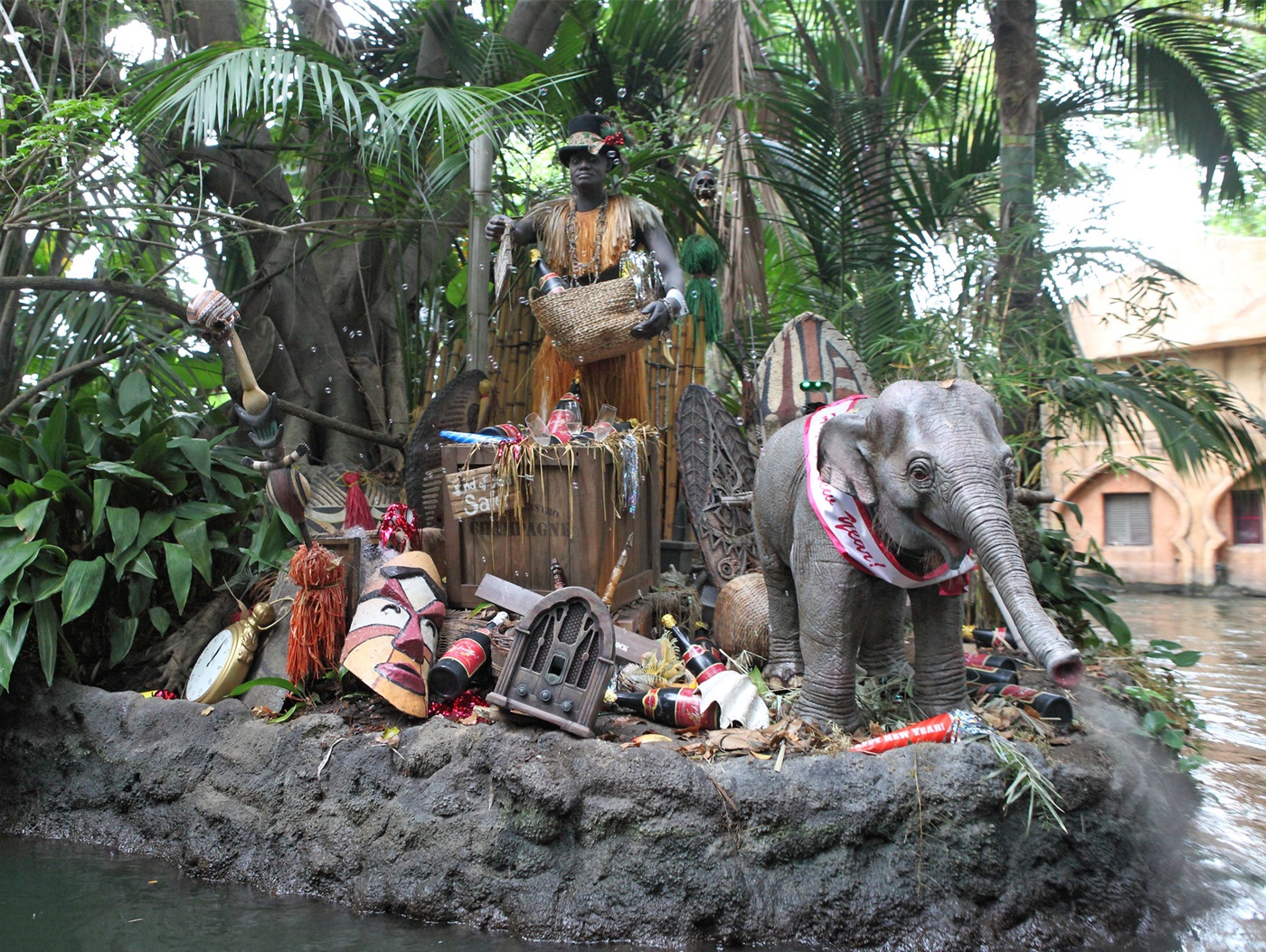
First Audio-Animatronic Ride
The first audio-animatronic ride was the Jungle Cruise ride, which opened in Disneyland in 1955. It was (and still is) a jungle theme ride where guests are taken by boats into the jungle and discover a variety of animals in their natural habitats.
In the original concept of the ride, Disney wanted to use real animals, but after careful consideration, he deemed that it wouldn't work the way he had hoped and opted for audio-animatronics instead.
The animals on the ride were able to have movement due to hydraulic technology. With the use of oil under high pressure, limited movements were made possible. Guests could see elephants lifting their trunks and spraying water, hyenas laughing, and even a menacing crocodile opening and closing its mouth.
First Human Audio-Animatronic
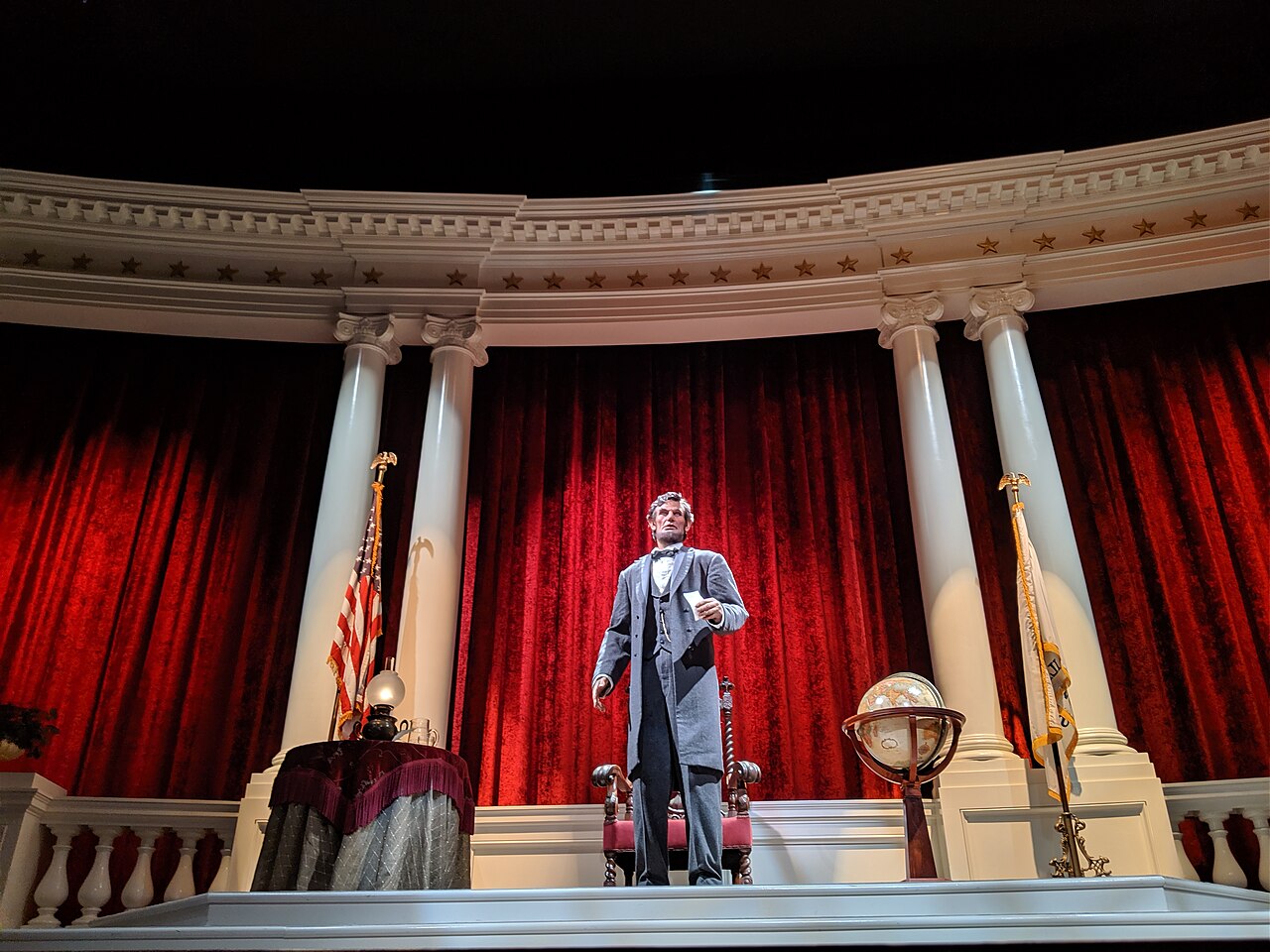
With the success of the Tiki Room and the Jungle Cruise, Disney was ready to create the first full-form human audio-animatronic. He first began by creating a 9-inch dancing man, followed by Confucius, but neither one reached completion.
He finally decided to bring Abraham Lincoln to life. Due to issues with oil leaks from the cylinders on the Jungle Cruise ride, Imagineers used both hydraulics and pneumatics in building him.
To make Mr. Lincoln appear lifelike, Wathel Rogers, an Imagineer, spent numerous hours in a harness acting out body movements that were recorded onto a magnetic tape that would be played back, giving Mr. Lincoln his movements. The real show stopper came when he actually stood up. This was a much grander movement than in previous audio-animatronics.
After many delays due to problems with the technology, such as Lincoln smashing his chair with his arm repeatedly, the attraction finally debuted at the 1964 World's Fair and was such a success that it got a permanent home in Disneyland in 1965.
Universal Studios First Animatronic Attraction
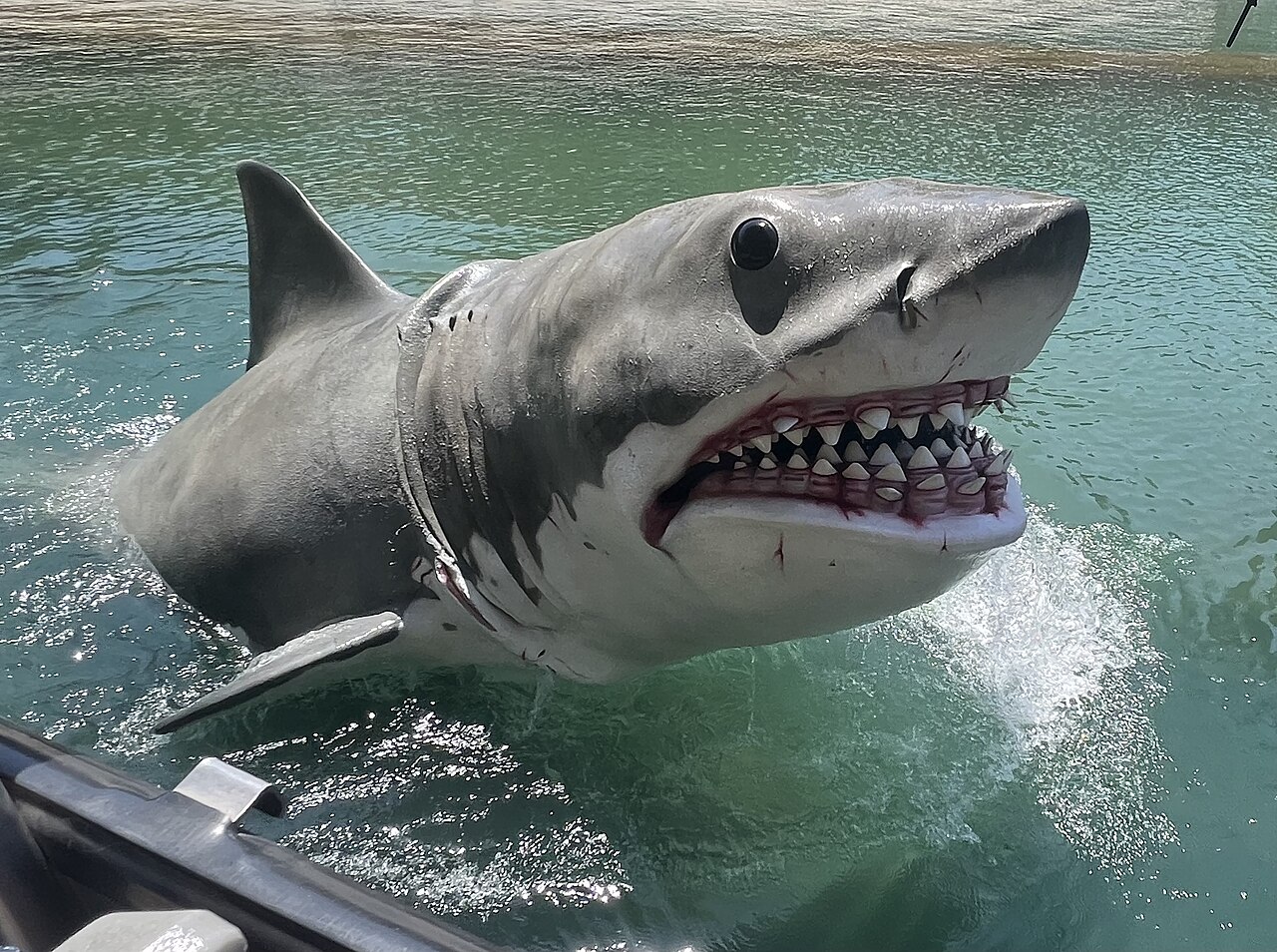
After the unexpected success of the movie Jaws, Universal Studios Hollywood decided to add a Jaws attraction to their Studio Backlot Tour in 1976. They brought in Bob Mattey, who had worked on the three shark animatronics used in the movie.
The movie shark, affectionately known as Bruce after Steven Spielberg's attorney, served as a pattern for the shark created for the attraction. Bruce was powered by both hydraulics and air-powered pneumatic mechanisms.
The body of the new shark was made from the Bruce sea sled mold, while the head was a resculpt of the movie shark with an improved mouth and smaller jowls. It moved back and forth in a straight line while mounted on a platform.
Guests were first teased when they arrived at Amity Lake and saw a dorsal fin sticking out of the water. Next, the shark attacked a poor fisherman on a boat (the same boat used in the movie) before it made its way to the tram, leaping out of the air, threatening to eat the guests on the ride.
Did you know that the original shark on the attraction was nicknamed Carrot Tooth because of its teeth? Those teeth were soon replaced to give the animatronic a more realistic look.
First Six Flags Animatronic Ride
Following a trip to Disneyland in 1955, real estate developer Angus G. Wynne decided to open his own theme park, which became Six Flags Over Texas, which opened in 1961.
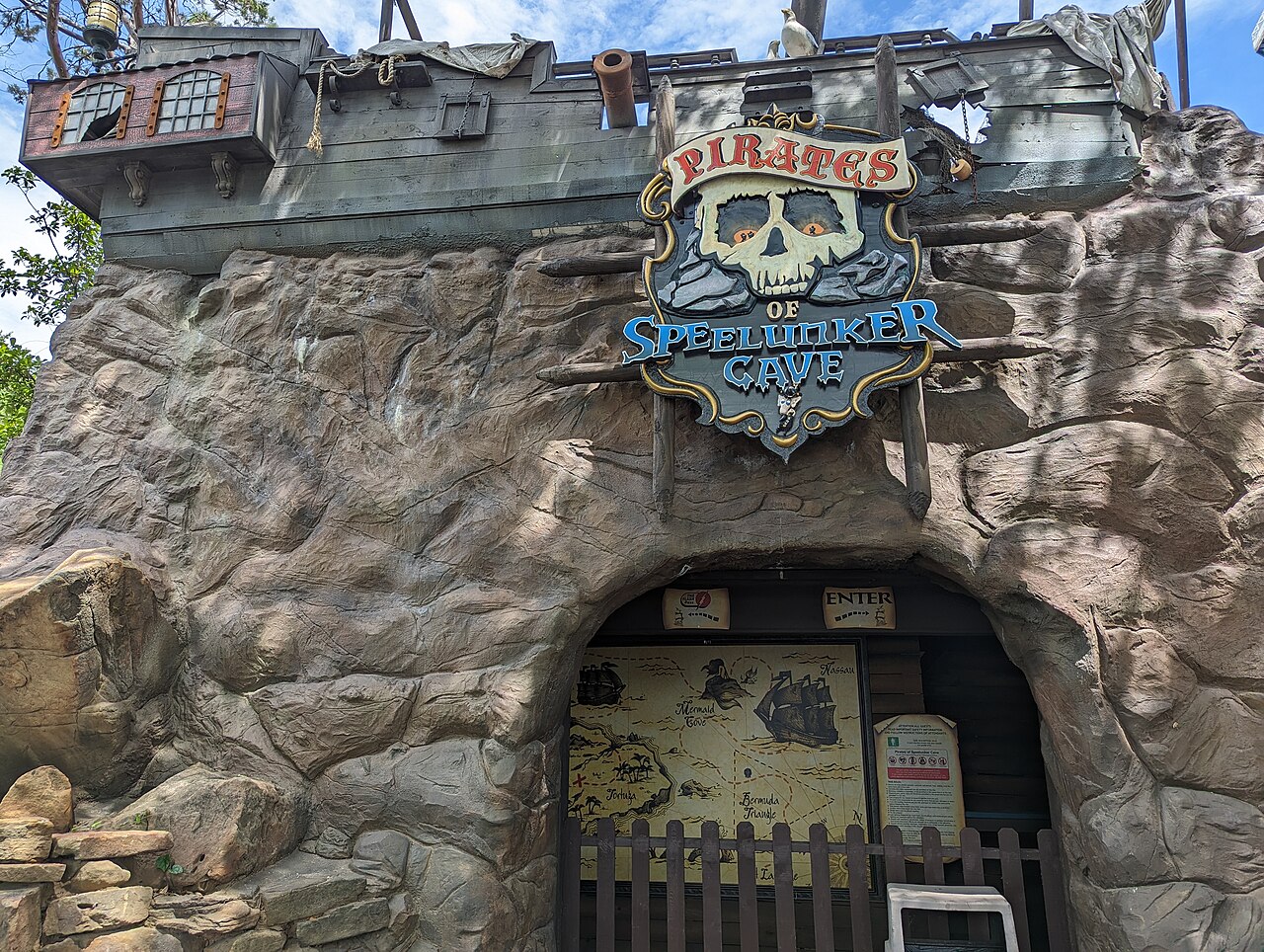
Wayne liked the idea of a cave ride and arranged for Randall Duell to become the creative force behind it. Duell created Speelunkers, which were a group of aliens who crash-landed on Earth and lived in caves performing various tasks.
The animatronics were simple, using rotating motions via reciprocating air cylinders. Although originally named The Cave, riders affectionately renamed it Speelunkers Cave, and the water ride became an instant hit when it opened in 1964.
The ride closed in 1991, but an updated version, Pirates of Speelunkers Cave, opened in 2022.
Other early amusement parks that featured early animatronics include Freedom USA, Cedar Point, Ohio, and Knott's Berry Farm, whose Calico Mine Ride (albeit updated) is still entertaining guests today.
Theme Park Animatronics
From their beginnings in the 1960s, today's animatronics have come a long way from their early predecessors. Take Spider-Man at the Avengers Campus in California Adventure.
Rather than being referred to as an animatronic, Spider-Man is considered to be a stuntronic as it uses advanced robotics to create aerial stunts. This free-falling robotic figure is launched 65 feet into the air and is capable of six different stunt sequences.
What makes this figure truly remarkable is that it has built-in sensors that allow it to make its own decisions on when and how to move.
Jurassic World Ride at Universal Studios Hollywood
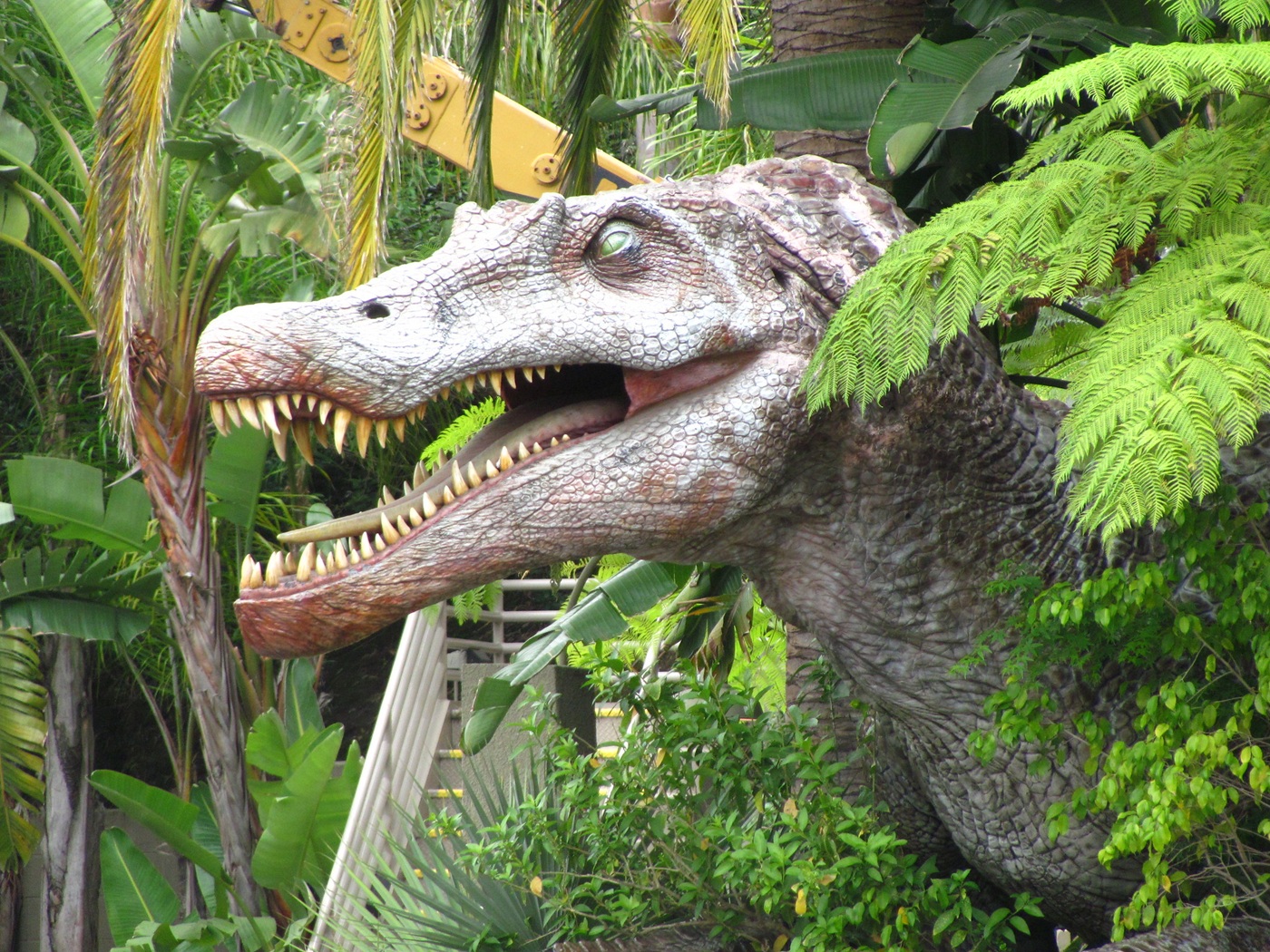
When the original Jurassic Park ride opened at Universal Studios, it featured dinosaurs powered by robotics, mechanics, and hydraulic physics, and was created with the help of aerospace engineers, paleontologists, and a variety of scientists.
As advanced as the ride seemed at the time in 1996, the newer dinosaurs in the Jurassic World ride, which opened in 2019, are even more technologically advanced, including a 22 ft. Indominus Rex which is so realistic looking and acting, that you're sure he's going to attack you.
Na'vi River Journey at Disney's Animal Kingdom
At a rumored cost of 23 million dollars, the Na'vi Shaman in Na'vi River Journey, located at Pandora-The World of Avatar in Disney's Animal Kingdom, is the most expensive animatronic to date.
Twenty new technologies were used in its creation, and its lifelike movements are the product of motors, gears, and hydraulics. (Disney is being pretty hush-hush about all of the technologies involved.)
What's so mesmerizing is the complete range of facial expressions, down to the ability to make eye contact with guests. Add the fluidity of the arm movements, which are as graceful as a ballerina's, and it's as if you're looking at a living being.
One has to wonder at this point, if animatronics have advanced so much from their early days, what more marvels are to come as technology keeps advancing? Looks like only time will tell.
Sources:
- https://parkworld-online.com/jurassic-world-ride-planned-in-2019-for-universal-studios-hollywood/
- https://www.solotravellerapp.com/how-much-was-the-avatar-animatronic/
- https://sites.disney.com/waltdisneyimagineering/avengers_campus_dca/
- https://www.latimes.com/entertainment-arts/story/2021-06-29/disneyland-avengers-campus-spiderman-robot-california-adventure-stuntronics
- https://storybookamusement.com/history-speelunker-cave-six-flags-over-texas/
- https://jawsride.net/jawsride-hollywood
- https://www.youtube.com/watch?v=6LQIvxLbNs8&t=695s
- https://www.waltdisney.org/blog/look-closer-great-moments-mr-lincoln
- https://www.arestravel.com/disneyland-park-all-about-the-great-moments-with-mr-lincoln-attraction/
- https://kids.kiddle.co/Animatronics
- https://clevelandhistorical.org/items/show/559
- https://www.thedisneyclassics.com/blog/audio-animatronics-disneyland
- https://disneyexperiences.com/disney-animatronics/
- https://mouseplanet.com/the-birds-of-the-enchanted-tiki-room/8070/
About the Creator
Janis Masyk-Jackson
I published my first article when I was 10 years old and I've been writing ever since. I'm a mom to 4 grown kids and I love traveling, animals, the paranormal and I'm a huge Disney fan.
Enjoyed the story? Support the Creator.
Subscribe for free to receive all their stories in your feed. You could also become a paid subscriber, letting them know you appreciate their work.
Comments
There are no comments for this story
Be the first to respond and start the conversation.