
The Burden of Papua New Guinean Tax Laws on Its Citizens
Challenges and Implications

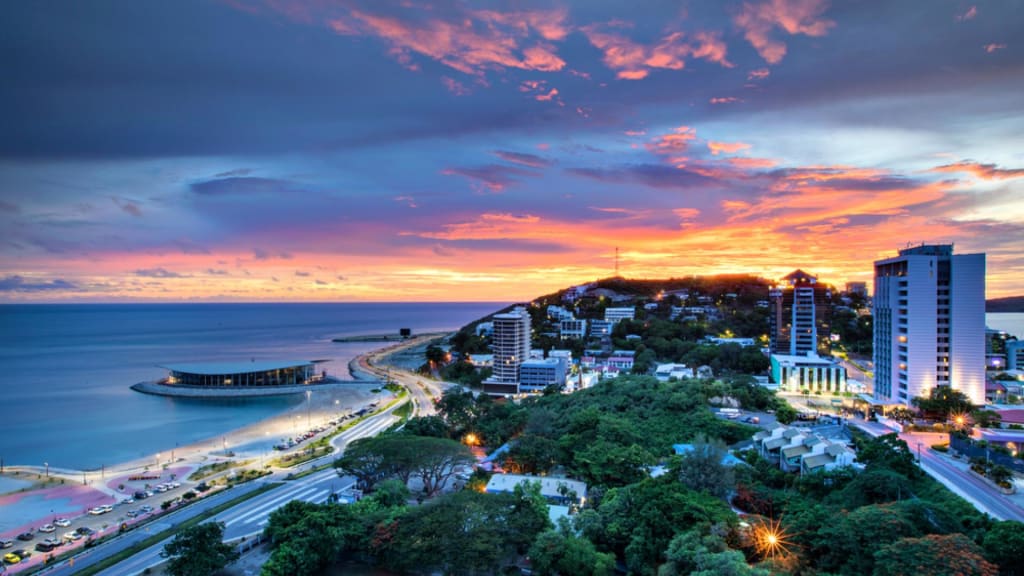
Papua New Guinea (PNG), a nation rich in cultural diversity and natural resources, faces a unique set of challenges in maintaining a balanced tax system that supports economic growth while safeguarding the well-being of its citizens. While taxation is essential for funding public services and development initiatives, the burden of Papua New Guinean tax laws on its citizens has become a pressing issue. In this article, we will explore the challenges posed by the tax laws and their implications on the day-to-day lives of PNG's citizens.
High Cost of Living and Inflation
One of the primary challenges faced by PNG citizens is the high cost of living and inflationary pressures. The introduction of the Goods and Services Tax (GST) at a standard rate of 10% has added to the overall expenses of individuals and families. This indirect tax affects the prices of essential goods and services, making them more expensive for consumers. As a result, many citizens struggle to afford basic necessities, especially those living in rural and remote areas where access to resources is limited.
Limited Access to Public Services
Despite taxation being a significant source of government revenue, the allocation and distribution of funds for public services often fall short of meeting the needs of the population. Many citizens face challenges accessing quality healthcare, education, and infrastructure due to inadequate funding and inefficient resource allocation. The burden of taxes on citizens becomes more evident when essential services are not readily available.
Informal Economy and Tax Evasion
A significant portion of PNG's economy operates in the informal sector, where many businesses and individuals do not fully comply with tax laws. Tax evasion and informal economic activities lead to a reduction in tax revenues, leaving the government with fewer resources to invest in social welfare programs. The burden of taxation falls disproportionately on law-abiding citizens, as they bear the weight of sustaining public services without receiving equitable benefits.
Impact on Small Businesses
Small and medium-sized enterprises (SMEs) form the backbone of PNG's economy, employing a substantial portion of the workforce. However, the complexities of tax laws and compliance requirements often pose challenges for these businesses. The administrative burden of tax compliance can hinder growth and productivity, limiting job opportunities and entrepreneurship potential.
Uneven Regional Development
Tax laws and revenue distribution have contributed to uneven regional development in PNG. Rural areas often suffer from neglect and inadequate infrastructure, while urban centers receive more attention and investment. The disparity in development can lead to migration towards urban areas, placing additional strain on resources and services in these already densely populated regions.
Limited Social Safety Nets
The heavy reliance on indirect taxes, such as GST, often affects the vulnerable segments of the population disproportionately. The lack of comprehensive social safety nets further exacerbates the burden on citizens, particularly those in poverty or facing economic hardships. A more progressive tax system with targeted assistance programs could help alleviate the burden on those most in need.
Conclusion
While taxation is essential for funding public services and development in Papua New Guinea, the current tax laws have placed a considerable burden on its citizens. High inflation rates, limited access to public services, and the informal economy's prevalence are some of the challenges faced by the population. Additionally, the burden on small businesses, uneven regional development, and the lack of social safety nets further compound the difficulties citizens encounter.
Addressing these challenges requires a careful balance between generating government revenue and ensuring the well-being of the people. Tax reforms aimed at promoting compliance, reducing the burden on low-income individuals, and fostering economic growth are vital steps towards creating a more equitable and sustainable tax system in PNG. A collaborative effort between the government, private sector, and civil society is essential to overcome these challenges and create a more inclusive and prosperous future for all Papua New Guinean citizens.
About the Creator
Malai Kiap
Just a young armature writer hoping to spread my stories to those that will listen.
Enjoyed the story? Support the Creator.
Subscribe for free to receive all their stories in your feed.
Comments
There are no comments for this story
Be the first to respond and start the conversation.