Vocal
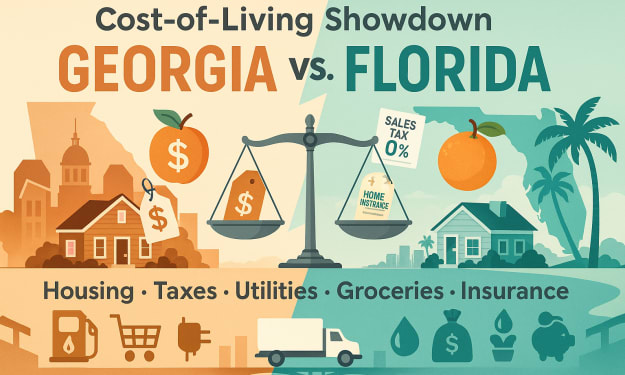
Coastline Bound on a Budget: The Complete Georgia→Florida Moving Blueprint
Introduction A Georgia→Florida move looks simple on a map: a few hundred miles down I‑75 or I‑95, a trunk full of towels, and you’re done. But the real math includes hotel nights, condo freight‑elevator rules, SunPass tolls, hurricane‑season buffers, and that sneaky overlap when Florida rent hits before your Georgia deposit returns. As a relocation accountant turned planner, I’ve audited 200+ Peach‑to‑Palm budgets. Here’s the budget for moving from Georgia to Florida you can actually trust—clean ranges, a sample all‑in plan, and decision rules that protect both your cash flow and your sanity.
By aaajr designabout a year ago in FYI
The Day the Internet Went Silent
M Mehran It started as an ordinary Tuesday morning. Phones buzzed with alarms, emails loaded, and social feeds refreshed with the usual flood of updates. But at exactly 9:17 a.m., something strange happened: the Internet went quiet. At first, people thought it was their Wi-Fi. A router reset here, a cable unplugged there. But within minutes, confusion turned into panic. Social platforms went dark. News sites stopped loading. Even banking apps displayed the same chilling message: “Connection unavailable.” FYI: this was not a small outage. This was the first time in modern history that the entire Internet went down—globally. --- 1. The World Without a Net For the first hour, silence spread like a fog. Offices that depended on cloud systems froze. Students logged into online classes only to be met with blank screens. Hospitals tried to access patient records and found nothing. By lunchtime, cities looked different. People who usually scrolled in coffee shops now sat staring at one another. Strangers actually talked—about weather, politics, anything to fill the unsettling void. Supermarkets couldn’t process credit cards. ATMs went dark. Flights were grounded because navigation systems depended on live data. Even traffic lights in some cities malfunctioned, causing chaos on the streets. The Internet, once invisible, had suddenly become the most visible absence in the world. --- 2. What Actually Happened? By mid-afternoon, whispers spread. Some claimed it was a cyberattack. Others thought it was a solar flare frying satellites. Conspiracy theorists rushed to fill the silence: governments pulling a global switch, alien interference, even secret experiments gone wrong. But the truth was both simpler—and scarier. The world runs on something called the Domain Name System (DNS), often described as “the phonebook of the Internet.” It translates the names of websites (like vocal.media) into the numerical addresses computers use to find each other. On that Tuesday morning, a software bug in one of the largest DNS providers triggered a chain reaction. One glitch became thousands, then millions, until the entire system collapsed like dominoes. FYI: the Internet isn’t as unbreakable as most people think. It has weak spots—and that day, we found one. --- 3. Life Unplugged By evening, something fascinating happened. People adapted. In New York, neighbors who barely knew each other gathered in lobbies, sharing board games by candlelight. In Tokyo, strangers on subways pulled out sketchpads and notebooks instead of phones. In small towns, families sat on porches, watching the stars. The silence revealed things many had forgotten: the sound of crickets, the feel of a real book, the luxury of undistracted conversation. For a moment, life slowed. But not everyone felt peace. Businesses lost billions in a single day. Stock markets froze. Emergency services scrambled for backup communication. And in hospitals, the outage became life-or-death, as digital records and automated machines failed. FYI: the outage lasted only 24 hours. But those 24 hours showed just how fragile our world had become. --- 4. When the Internet Returned At exactly 9:17 a.m. the next day, the Internet blinked back to life. Phones buzzed violently as a day’s worth of notifications flooded in. Relief swept across the globe. People rushed to check their emails, their feeds, their digital lives. But something had shifted. News outlets immediately declared it “The Day the World Went Offline.” Experts warned of vulnerabilities. Governments demanded answers. And ordinary people found themselves asking a quiet, uncomfortable question: What if it happens again? --- 5. Lessons from the Silence For many, the outage was terrifying. But for others, it was oddly liberating. Surveys taken later revealed surprising insights: 68% of people said they spent more time with family. 41% tried hobbies they hadn’t touched in years. 27% reported sleeping better without screens glowing at night. It wasn’t that the Internet was bad—it had become essential. But the outage reminded everyone that balance mattered. The web connected the world, yes, but sometimes it also disconnected us from ourselves. FYI: experts now argue that societies need “digital fire drills.” Just like earthquake or fire preparedness, communities should practice living without the net—if only for resilience. --- 6. The Story Within the Story Buried in all the chaos was a smaller tale, one that captured hearts worldwide. In Mumbai, a young boy named Aarav had an online exam scheduled that very morning—the one that could decide his scholarship. When the Internet collapsed, he sat devastated, staring at his blank laptop screen. But instead of giving up, he walked three miles to his school, where he found ten other classmates waiting outside, equally lost. Their teacher, realizing what had happened, smiled and said, “If the Internet fails us, we will not fail each other.” She gathered them under a banyan tree, pulled out old notebooks, and gave them a handwritten test. Weeks later, Aarav received the scholarship. His story spread as a reminder: technology is a tool, but education—and determination—finds a way regardless. --- 7. FYI: Tomorrow The great Internet outage is now studied in universities, debated in governments, and remembered by millions. It was both a warning and a gift: proof that our modern world rests on fragile threads, but also proof that when those threads snap, human connection endures. So, FYI—next time your Wi-Fi glitches and your app refuses to load, remember that day. Remember the silence. Remember the stars you saw, the voices you heard, the moment you rediscovered life without endless scrolling. Because while the Internet connects us, it’s the moments offline that often remind us who we really are.
By Muhammad Mehranabout a year ago in FYI
What Is a Recession? Explaining the Big Word With Small Stories
When grown-ups talk about the economy, one word often pops up that sounds big and scary: recession. You might hear it on the news, see it in a headline, or hear adults whispering about it at the dinner table. But what does it really mean? Don’t worry—you don’t need to be an economist to understand it. Imagine we’re telling a story, one that even a 5-year-old could follow.
By Fred Bradfordabout a year ago in FYI
Pre-Game Rituals: Superstition or Mental Focus?. AI-Generated.
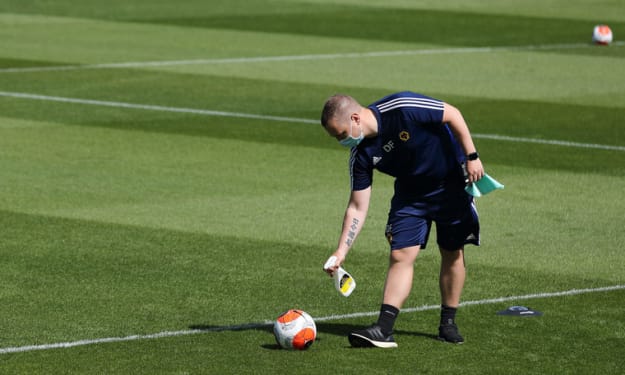
Athletes are known for their routines before stepping into competition. Some lace their shoes a certain way, others listen to the same song, and a few insist on eating identical meals before every game. To outsiders, these rituals may look like harmless quirks or even pure superstition. But for athletes, they often serve a deeper purpose—providing mental focus, a sense of control, and a bridge between preparation and performance.
By Gus Woltmannabout a year ago in FYI
The Global Rise of South African Voices in Voiceover
The Power of South African Voices in Global Voiceover In today’s fast-paced media landscape, standing out is more important than ever. Whether it’s a corporate video, a documentary, or an eLearning course, the voice behind the content plays a crucial role in how the message is received. Increasingly, businesses, advertising agencies, and entertainment companies are turning to South African voices to bring their stories to life — and for good reason.
By Steve Gouws Voiceoverabout a year ago in FYI
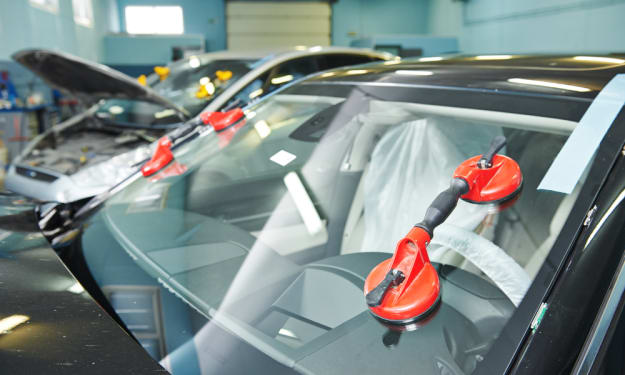
Why Humidity and Heat Make Windshield Chips Worse in Winter Haven
In Winter Haven, Florida, the climate is a mix of high humidity, intense sunshine, and sudden weather changes. While this environment is part of the region’s appeal, it can be challenging for vehicle owners — especially when it comes to maintaining a healthy windshield. Small chips or cracks in auto glass may seem minor, but local weather conditions can make them worsen more quickly than expected. Understanding how heat and humidity work against damaged glass can help drivers protect their vehicles and avoid costly repairs.
By Travis Andersonabout a year ago in FYI
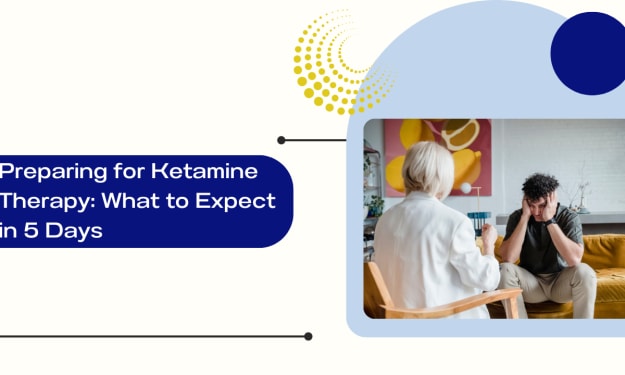
Preparing for Ketamine Therapy: What to Expect in 5 Days. AI-Generated.
There’s a certain mix of anticipation and nervousness that comes with preparing for ketamine therapy. I’ve been there-the quiet moments of wondering what lies ahead, grappling with hopes and fears all at once. Let’s face it: anything new, especially involving our mental health and well-being, can feel overwhelming. But with a little preparation and understanding, those days leading up to your ketamine sessions can be transformative, not just physically but emotionally too.
By Adrienne D. Mullinsabout a year ago in FYI
Brazilian Jiu-Jitsu Benefits You Should Know. AI-Generated.
There’s something uniquely powerful about Brazilian Jiu Jitsu (BJJ), a blend of skill, strategy, and spirit that captivates millions around the world. I’ve been there, stepping onto the mats for the first time with a mix of nerves and excitement, not quite knowing how much this martial art would change my life. Let’s face it, BJJ is more than just a fight sport; it’s a lifestyle that offers physical strength, mental grit, and a sense of community that’s hard to find elsewhere.
By Angela R. Taylorabout a year ago in FYI
Damp Proofing Explained: The Science Guide. AI-Generated.
There’s something unsettling about that cold, clammy feeling creeping up your walls, that unmistakable musty smell invading your home, or the paint bubbling as moisture battles its way inside. I’ve been there-facing damp problems that seemed endless and defeating. Let’s face it, damp is one of the most common yet misunderstood issues in building maintenance, but luckily, damp proofing exists to fight back. How does it really work though? What’s the science behind those invisible barriers that keep moisture in check?
By Ananya Singhabout a year ago in FYI
The Eco-Friendly Benefits of Choosing Tumbled Pavers
In a world increasingly concerned with climate change, water scarcity, and resource depletion, the materials we choose for construction and landscaping play a major role in shaping a sustainable future. From homeowners building backyard retreats to architects designing large public spaces, every decision impacts the environment. One of the most effective ways to make a greener choice for your property is to use Tumbled Pavers.
By Milota Tilesabout a year ago in FYI