Historical
Not so crappy!
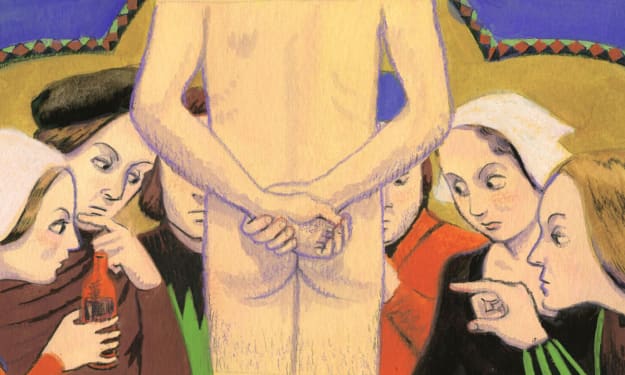
Even though Medieval Britons weren’t precisely the cleanest lot by trendy standards, the thought of them simply dropping trou and dumping half a pound of fecal matter into the street under isn’t precisely a good or representative image. In fact, whereas Medieval Britons weren’t yet conscious of how festering feces contributed to illness epidemics, they did know that it smelled really, REALLY bad and, eventually, there was even some thought that mentioned smelly fumes triggered the unfold of disease; thus, they made efforts to make sure the offending odors had been saved as distant from their properties as possible.
By Toni Cooper6 years ago in FYI
Curiosity Cabinets
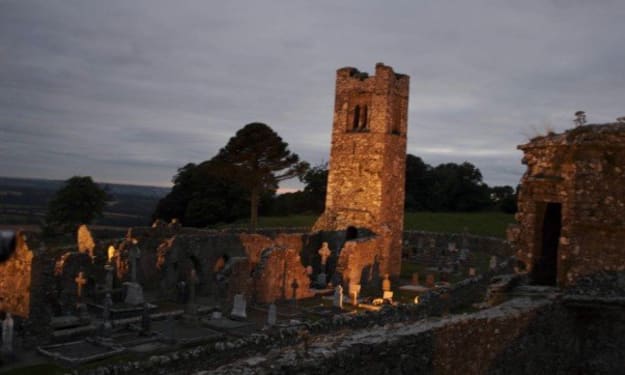
The idea of the curiosity cabinet goes back to the 15th century, when collectors of (mostly) small objects, whether botanical specimens, religious relics, precious objects, or whatever, would store them in drawers in small- to medium-sized wooden cabinets, which could even be transported with them if needed. They can therefore be regarded as mini-museums. Because the items to be stored would vary in size and shape, cabinet-makers designed them with drawers and shelves of different dimensions.
By John Welford6 years ago in FYI
The Early History of Cricket
The possible origins of cricket How did cricket begin? One thought is that English shepherds with nothing better to do used their crooks (long sticks with a bent-over handle at one end) to hit lumps of wool or stones to see how far they would go. One shepherd would toss a “ball” towards another who held his crook upside down and the latter would give it a bash. The “bowler” or his mates might then try to see if they could catch the wool or stone before it hit the ground.
By John Welford6 years ago in FYI
Caravaggio: An Extraordinary Artist
Caravaggio (1571-1610) was one of the most extraordinary characters in the history of art. His fiery temper and wild behaviour led to a sometimes tempestuous life, and this was reflected in his paintings. His treatment of light added to their drama.
By John Welford6 years ago in FYI
The Great Boston Molassacre
On January 15, 1919, tragedy struck the North End neighborhood of Boston as a 25ft wave of sugary sweet molasses crashed through the streets. Many were injured in the fast moving flood while others lost their lives due to suffocation. The city took heavy damage but thanks to the brave men and women of Boston many lives were saved.
By Victoria Blitz6 years ago in FYI
Olga of Kiev
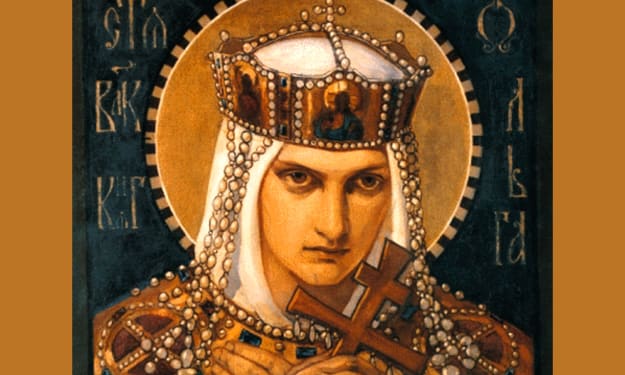
Ever wondered about Saints and how they gain a title that is known throughout history? Well, none will make you question canonization more than the story of Helga otherwise known as Saint Olga of Kiev. She was canonized as the Saint of Widows and Converts in 1547 as the first saint of the Russian Orthodox Church. Many might question why she was sainted in the first place, and why she is still honored as a saint if they knew her full story.
By Josh Mallernee6 years ago in FYI