
Speed Tape Applications in Aviation and NSN Parts Use
Understanding the Importance of Speed Tape in Aviation Maintenance
The aviation industry depends heavily on safety, precision, and timely maintenance to ensure aircraft remain operational and secure. Among the many tools and materials used in aircraft maintenance, speed tape plays a significant role in temporary repairs and operational efficiency.
This specialized adhesive tape is commonly seen on commercial aircraft military jets and cargo planes because of its ability to withstand extreme environmental conditions during flight.Aircraft maintenance technicians use this material to address minor surface damage secure panels.
And temporarily protect aircraft components until permanent repairs can be completed. In the world of aviation logistics and NSN parts management this tape has become an essential maintenance supply that supports smooth aircraft operations across the globe.
What Is Speed Tape and Why Is It Used?
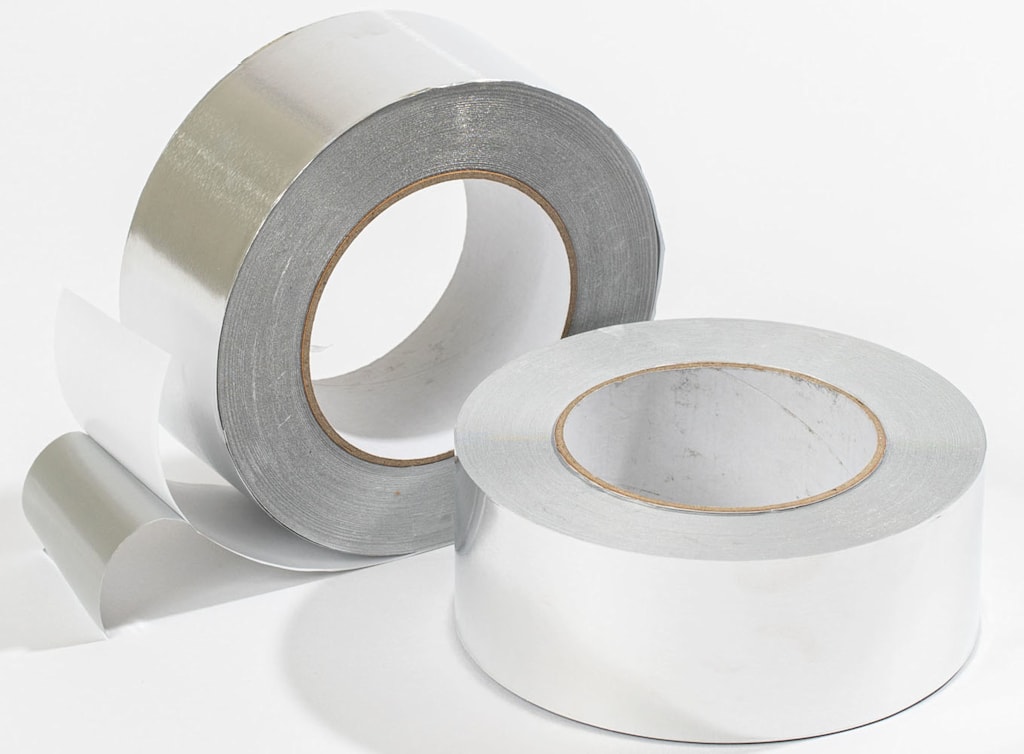
Speed tape is a pressure-sensitive aluminum tape specifically designed for aerospace applications. Unlike ordinary adhesive tape it is engineered to tolerate high temperatures moisture vibration ultraviolet exposure and strong airflow generated during flight.
Aviation-grade tape typically contains an aluminum outer layer with a strong adhesive backing that bonds securely to aircraft surfaces.The main purpose of this tape is to provide temporary yet reliable repairs on non-critical aircraft surfaces.
Airlines and maintenance crews often use it to cover minor dents cracks scratches or loose panels that do not affect the structural integrity of the aircraft. By doing so maintenance teams can keep aircraft in service while scheduling permanent repairs during planned maintenance periods.
In aviation environments time is extremely valuable. Delayed flights and grounded aircraft can result in significant operational losses. This is why maintenance teams rely on approved repair materials that help maintain aircraft efficiency without compromising safety standards.
The Role of Aviation Maintenance and NSN Parts
The aviation sector relies on standardized inventory systems to manage components and maintenance supplies efficiently. One of the most important systems used globally is the National Stock Number (NSN) system.
NSN codes help identify organize and procure approved aviation parts tools and maintenance materials.When maintenance crews require specific repair products NSN classifications simplify the sourcing process and ensure compatibility with military and aerospace standards.
Many aviation consumables including tapes sealants adhesives and protective coverings are categorized within NSN databases to streamline procurement operations.Aircraft operators defense contractors and maintenance repair organizations often source approved.
Materials through trusted aviation suppliers. This process improves traceability inventory control and operational readiness while supporting compliance with aerospace regulations.
Common Applications of Speed Tape in Aircraft Operations
Aircraft maintenance professionals use this material in several operational situations where temporary protection or repair is necessary. One common application involves securing loose fairings or non-structural panels on the aircraft exterior.
During routine inspections technicians may discover small gaps or surface imperfections that require immediate attention before the aircraft returns to service.Another major use involves protecting damaged paint or exposed surfaces from moisture and corrosion.
Aircraft are constantly exposed to rain humidity temperature changes and environmental contaminants. Temporary protective covering helps prevent additional wear until detailed maintenance can be completed.
Cabin maintenance teams may also use aviation-approved tape around cargo compartments, insulation areas, or interior panels when permitted under maintenance guidelines. Because aircraft experience significant vibration and pressure changes during flight only aerospace-certified materials are allowed for these purposes.
The keyword speed tape is commonly associated with quick-response maintenance solutions because of its reliability and ability to perform under demanding flight conditions.
Safety Standards and Regulatory Compliance
Although this repair material is widely used in aviation, its application is highly regulated. Aircraft technicians cannot apply temporary repair materials without following approved maintenance manuals and aviation authority regulations.
Organizations such as the Federal Aviation Administration and international aviation authorities establish strict maintenance procedures to ensure passenger and aircraft safety.
Maintenance engineers carefully evaluate the location and severity of any aircraft damage before deciding whether temporary covering methods are appropriate. Structural damage or critical system failures always require permanent repairs rather than temporary solutions.
Technicians also inspect temporary repairs regularly to confirm that the material remains secure and effective throughout operational use. Detailed documentation ensures compliance with maintenance tracking systems and aviation safety programs.
Benefits of Using Aviation-Grade Repair Tape
One of the greatest advantages of aviation-grade adhesive materials is their ability to reduce aircraft downtime. Commercial airlines operate on tight schedules and even small maintenance delays can affect flight operations worldwide.
Temporary repair solutions allow maintenance teams to address minor issues efficiently while maintaining operational continuity.Another important benefit is durability. Aerospace repair materials are designed to resist airflow stress temperature fluctuations.
And harsh weather conditions encountered during high-altitude flights. Their strong adhesive properties ensure reliable surface bonding even during long-distance operations.
Cost efficiency also plays a role in maintenance planning. By applying approved temporary repairs airlines and military operators can schedule permanent maintenance during planned service intervals instead of grounding aircraft unexpectedly.
In military aviation operational readiness is critical. Maintenance teams supporting defense aircraft often require fast and dependable repair solutions to maintain mission capability. NSN-managed maintenance materials help ensure rapid availability of approved supplies across different operational environments.
The Connection Between Aviation Logistics and Aircraft Reliability
Modern aviation maintenance depends on efficient supply chain management. Aircraft contain thousands of specialized components, and every maintenance material must meet strict aerospace standards. This is why aviation suppliers and procurement systems focus heavily on quality assurance and traceability.
Reliable NSN inventory management helps airlines military units and aerospace organizations maintain access to approved repair products whenever needed. Efficient logistics support reduces delays improves maintenance planning, and enhances aircraft safety performance.
As aviation technology continues to evolve maintenance materials and repair methods are also advancing. Aerospace manufacturers continue developing stronger lighter and more durable materials to improve aircraft efficiency and maintenance effectiveness.
Final Thought
Speed tape has become an essential part of modern aviation maintenance because of its versatility durability and operational value. From protecting aircraft surfaces to supporting temporary repairs this aerospace-grade material helps maintenance teams maintain aircraft readiness while following strict safety procedures.
Its role within NSN parts systems highlights the importance of organized aviation logistics and standardized maintenance supplies. By ensuring quick access to approved repair materials aviation organizations can improve operational efficiency reduce downtime and maintain high safety standards across commercial and military aircraft operations.
As the aviation industry continues growing, dependable maintenance practices and high-quality repair materials will remain critical to aircraft safety reliability and long-term performance.
About the Creator
Enjoyed the story? Support the Creator.
Subscribe for free to receive all their stories in your feed.
Comments
There are no comments for this story
Be the first to respond and start the conversation.