
Snake Island – The Backdrop for Your Next Horror Story
What nightmares are made of

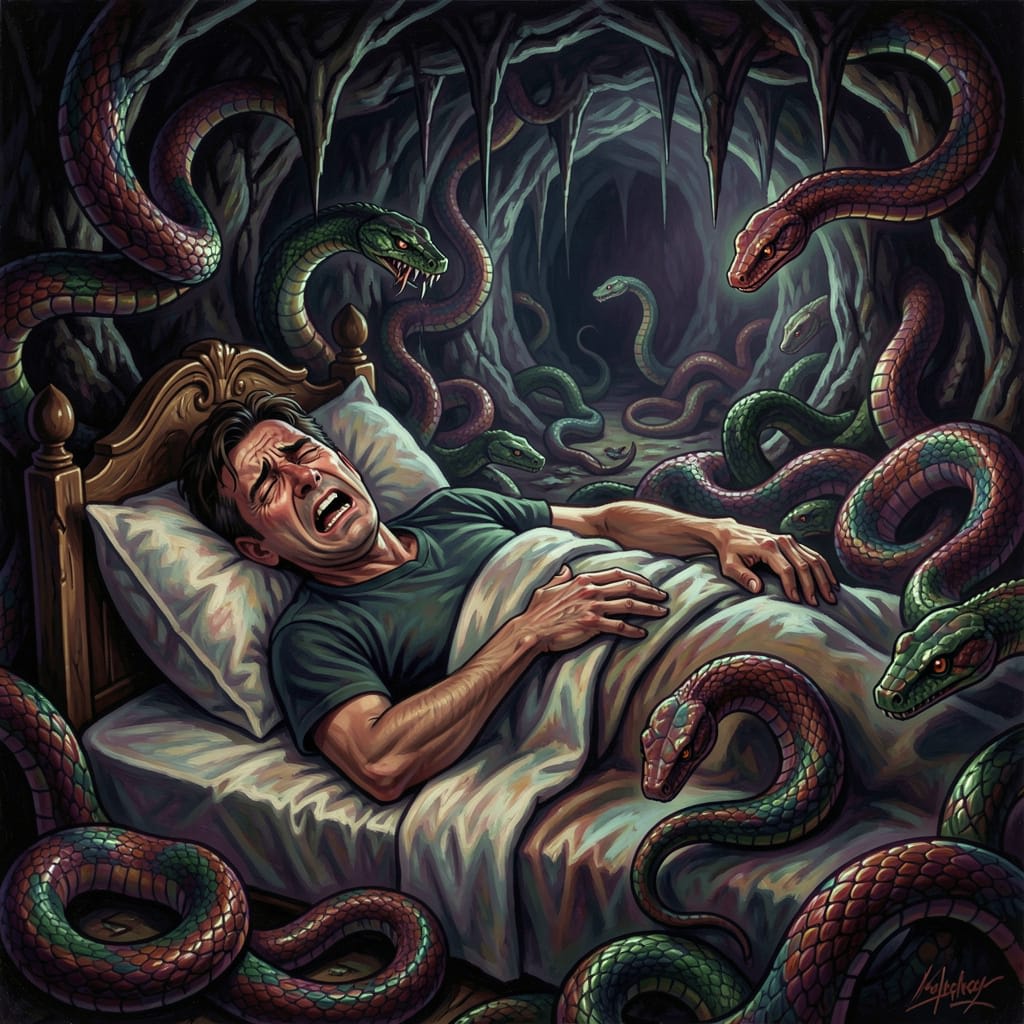
I had a dream the other night; I was trapped in a cave that was absolutely crawling with snakes. For the record, I hate snakes!
Dreams about snakes often signal a time of change. Snakes shed their skin, symbolising transformation. It can also mean there are hidden fears, a time of vulnerability and helplessness. Finally, it can mean a warning from your subconscious about a toxic person or hidden threat in your life.
I’d love to say it’s from one of these, but it’s probably from an article I found online: “Snake Island” - Ilha da Queimada Grande in Brazil.
That damn internet again!
Many islands are named "Snake Island" around the world. The two most famous ones are Ilha da Queimada Grande in Brazil and Shedao Island in China. Shedao Island is in the Bohai Sea. This 180-acre jungle paradise hosts about 20,000 venomous Shedao Island pit vipers.
The fascinating one is a lump of rock sitting 90 kilometres (55 miles) off the São Paulo coast, Brazil. At first glance, it looks like a beautiful spot you'd want to visit. It’s the ideal setting for your next horror story. You can imagine a group of teens being dropped off by a boat for a weekend of fun and frivolity. Only one problem: as they discover, it is full of snakes (hence the name).
Not any ordinary snake, but one of the deadliest snakes on Earth: the golden lancehead viper.
Most Brazilians know about the island, but few would ever visit—believing it’s overrun with them. Original reports from years ago reported one per square meter. More recent surveys estimate that there are between 2,000 and 4,000 of these snakes on the island. Even at the higher number, that’s more than 100 m² per snake. Still too close for my liking.
The island is uninhabited, and the Brazilian government bans visitors. It’s not from the danger of snakes; it's really about protecting this rare species from poachers. The population faces extinction. This is partly due to a small gene pool, and many individuals are infertile.
The snakes became stranded on the island and had no ground-level predators. As a result, they reproduced rapidly. Their challenge was that they had no ground-level prey either. The snakes slithered up trees in search of food.
Snakes stalk their prey, bite, and wait for the venom to do its work before tracking the prey down again. The golden lancehead vipers can’t follow the birds they bite. So, over time, they evolved a very strong and efficient venom. It's three to five times more potent than any snake found on the mainland. It can kill most prey (and melt human flesh) almost instantly.
The venom of these vipers can kill in under an hour. Many local legends speak of the awful fates for anyone who wanders onto "Snake Island." Rumour has it that a hapless fisherman landed on the island in search of bananas. He was discovered days later in his boat, dead in a pool of blood, with snake bites on his body.
From 1909 to the 1920s, a few people lived on the island to operate its lighthouse. A local tale tells of the last lighthouse keeper and his family. They died when snakes slithered in through their windows.
Today, they hunt migratory birds that come to the island each season on their long flights. The Chilean Elaenia comes through each spring. The yellow-legged thrush appears in autumn.
The island is home to two bird species: the southern house wren and the bananaquit. Both of these birds can avoid the vipers.
The Golden Lancehead is endemic to the island because of its specialised lifestyle. The other snake inhabitant on the island is not endemic. Sauvage's Snail-Eater is a small, non-venomous snake. It lives on the island but also on the mainland.
Still wouldn’t get me on that island if you paid me – what about you?
Till next time,
Calvin
About the Creator
Calvin London
I write fiction, non-fiction and poetry about all things weird and wonderful, past and present. Life is full of different things to spark your imagination. All you have to do is embrace it - join me on my journey.
Enjoyed the story? Support the Creator.
Subscribe for free to receive all their stories in your feed. You could also become a paid subscriber, letting them know you appreciate their work.
Comments
There are no comments for this story
Be the first to respond and start the conversation.