
Should You Buy a Historic Home?
What You Should Know About Buying a Vintage Home

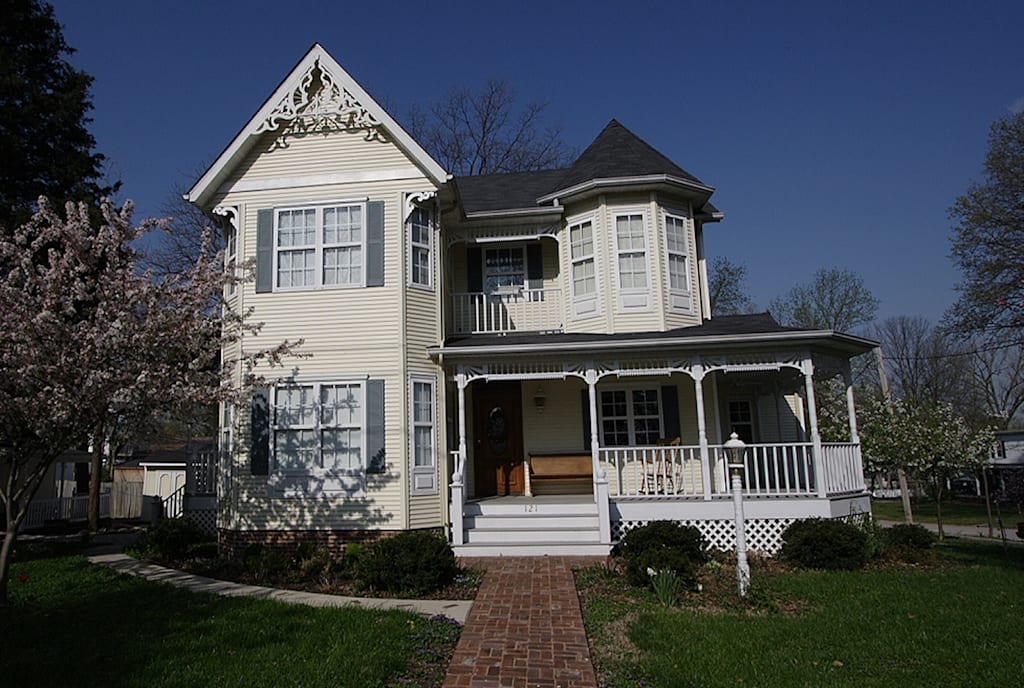
Historic Homes
Owning a vintage home can be quite exciting. The architecture and craftsmanship can make for a home full of charm and character. While the outside can be quite appealing, so can the many details of the interior, not to mention owning a home that has a history. However, before jumping in, there are some things to consider.
Unless the home has been completely renovated, there are some important issues to look into. What is the heating/air conditioning like? Will you be in need of a new HVAC system?
I recently visited a historic home on the market, and it was only heated with radiators. OK. That could probably pass in the winter, but the home is located in an area that hits over 100 degrees in the summer. Having a home without air conditioning in that type of heat can be miserable.
What about the wiring and plumbing? The standards for these have changed over time. If outdated, they should be replaced so they are up to code. Not only that, but for safety issues, as older plumbing and electrical systems could prove to be hazardous.
You also want to check the foundation of the house. The foundation supports the house, and sometimes over time, the foundation can shift. This can cause sloping floors, doors that stick, water leakage, and wall cracks, to name a few. In extreme cases, the foundation can crumble, causing a house to fall.
What's the age and condition of the roof? Replacing an old roof is quite common in old houses. You should also check if there is any asbestos in the home, as asbestos can cause damage to the lungs.
Are the windows original? You might want to keep them, but the wood surrounding them should be checked to make sure there isn't any damage. Some people prefer to replace the original windows with double-pane windows as they're more energy efficient.
Does the home have any outer decking or stairs made of wood? If so, what is their condition? I was excited when a local, vintage farmhouse came on the market.
There were outdoor stairs in both the front and back of the house, along with a porch and two decks. Most were deemed unsafe, and both decks, along with the stairs, were blocked off so people wouldn't walk on them. It would be thousands and thousands of dollars to replace everything.
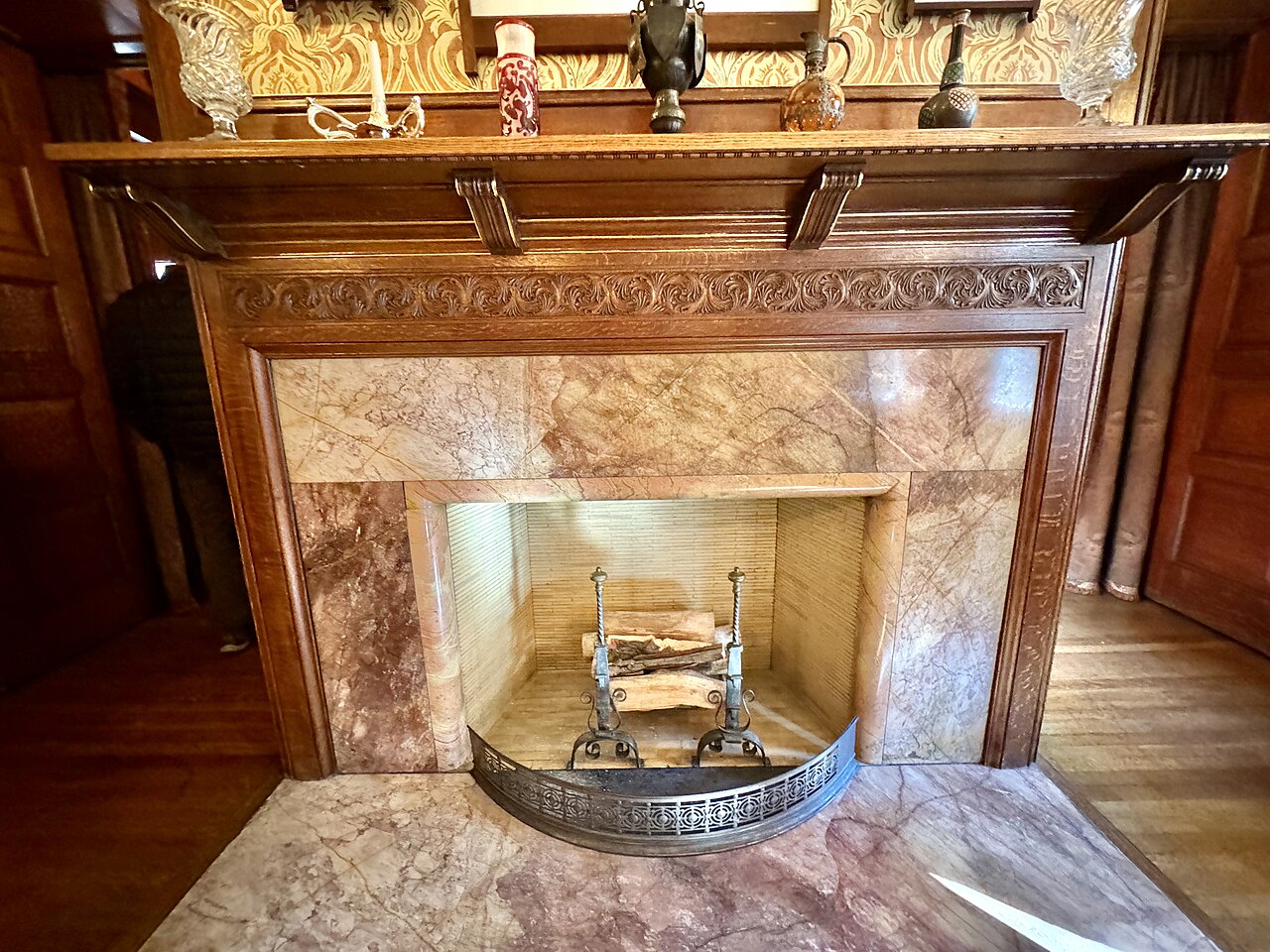
Inside Vintage Homes
Let's take a look at some interior features of a vintage home. Many have gorgeous antique fireplaces. Back when these homes were built, fireplaces were the source of heat for a home.
Check to see if the fireplaces in the home you're looking at are functioning fireplaces or if they have been closed off. Sometimes homeowners close off fireplaces due to fireplace damage, to stop drafts, or to prevent heat loss.
Another thing to check out in the interior of the home is if there's any water damage. You'll usually see this in the walls or ceiling of the home. Normally, this indicates some sort of water leak. Even if the leak has been fixed, you'll need to check if there is any rotting wood or see if any mold or mildew is present.
Now, let's look at some of the space inside the house. How is the size of the kitchen? Quite often, kitchens in vintage homes are small. Part of the reason is that there wasn't the variety of food available then that there is today, so people didn't need as much storage for food.
In addition, there weren't all the kitchen gadgets that are available today. Check to see if there is enough storage and counter space to accommodate everything you need.
How is the closet size? Unless you were on the wealthy side, most of the people who lived a century or more ago had a limited amount of clothing. Therefore, a small closet worked for them. Those same original closets probably won't hold everything a person living today would have.
Also, additional closet and storage space is often limited, as the people who originally lived in these older homes didn't have as many possessions as people do today.
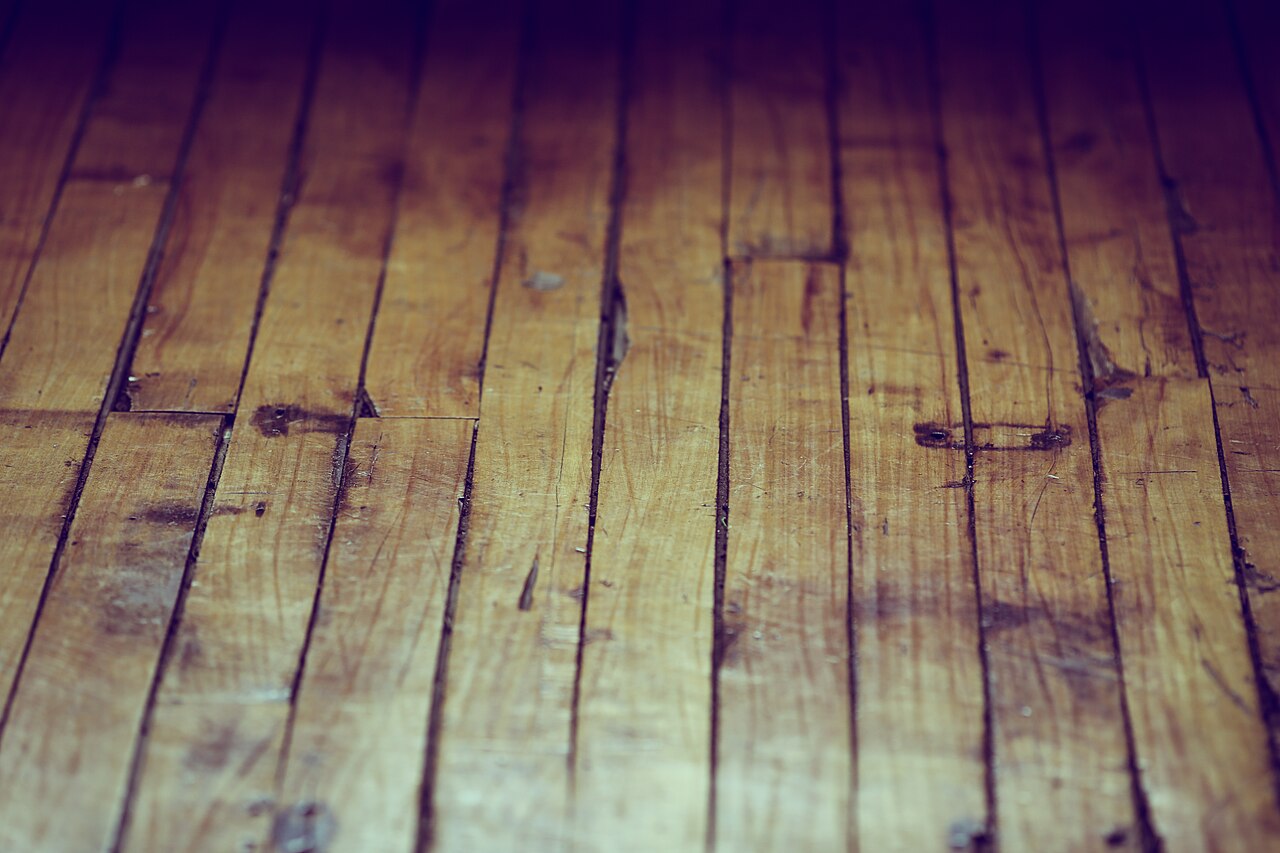
Redecorating an Older Home
What about redecorating? Does the home need new carpeting, floors, drapes, wallpaper, or paint? All of these can add up. Here's a helpful hint. Check to see if the flooring is original, even if it's under carpeting. If so, you might be able to restore it, versus replacing it, and that can save a lot of money. It would also add to the vintage feel of the home.
Hoping to expand the home? You'll need to check with the city the home is located in to see what is and isn't allowed.
Now let's talk cost. Be careful that the owner is asking a fair price for the home. Sometimes owners will put a higher price tag on a house, figuring someone will buy it because it's historical and you're buying a piece of history.
I actually just toured a house like that. Not only was the house overpriced, but realistically it would cost between $150,000-$200,000 to get the house up to code, modernized, and redecorated. Way too much for my wallet!
Don't let this article deter you from purchasing a vintage home. You might find one in perfect shape that doesn't need anything done to it at all. This is just meant to make you aware of what could be needed or wanted for your historical home.
About the Creator
Janis Masyk-Jackson
I published my first article when I was 10 years old and I've been writing ever since. I'm a mom to 4 grown kids and I love traveling, animals, the paranormal and I'm a huge Disney fan.
Enjoyed the story? Support the Creator.
Subscribe for free to receive all their stories in your feed. You could also become a paid subscriber, letting them know you appreciate their work.
Comments
There are no comments for this story
Be the first to respond and start the conversation.