
Retainer Packing in Military Equipment: Importance, Applications, and Reliable Performance
Reliable retainer packing for secure sealing and durable military performance.

Military equipment operates in some of the most demanding environments in the world. From extreme temperatures and high-pressure systems to harsh combat conditions and continuous operational demands, every component must perform with absolute reliability.
One such critical yet often overlooked component is retainer packing. Retainer packing plays a vital role in maintaining system integrity, preventing leakage, and ensuring the durability of essential military machinery.
This article explores the importance of retainer packing in military equipment, its applications, benefits, and why high-quality materials are crucial for defense systems.
Understanding Retainer Packing in Military Equipment
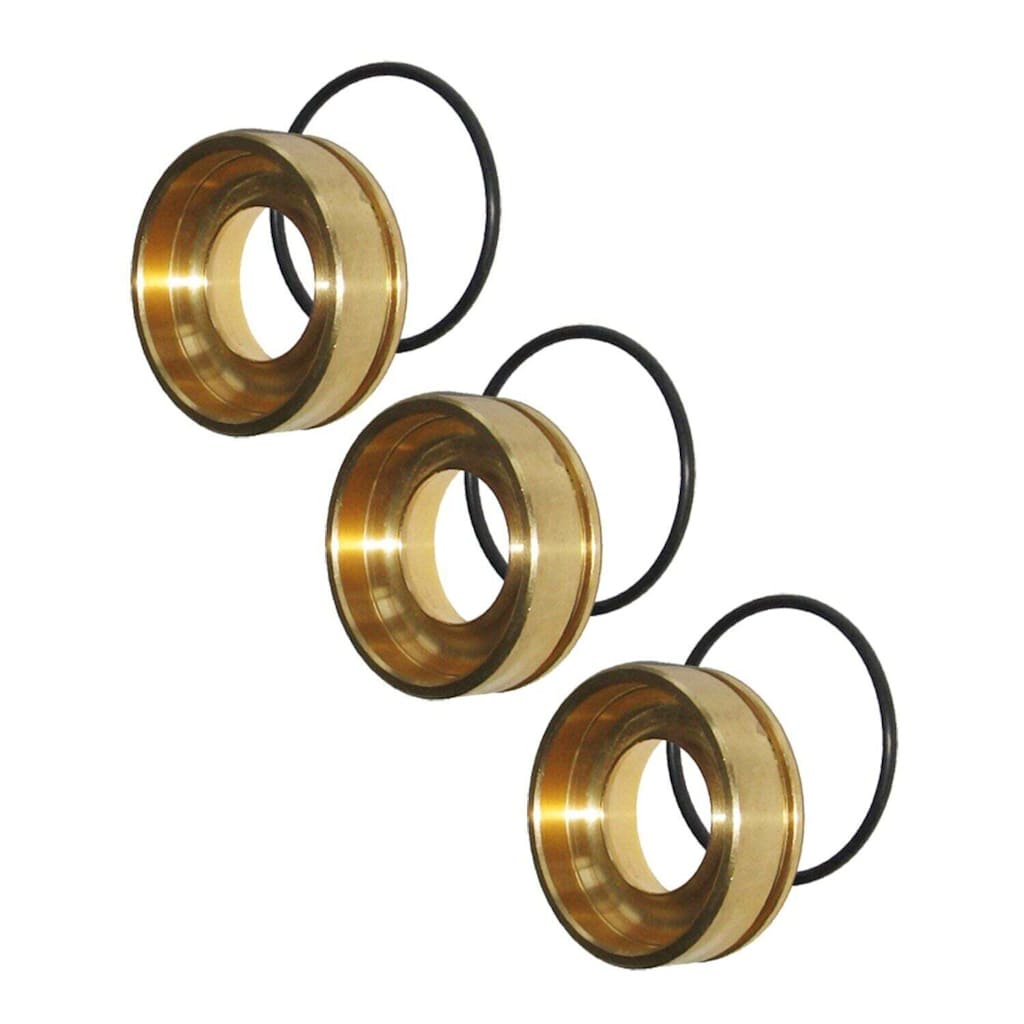
Retainer packing is a sealing component designed to secure moving or stationary parts within mechanical systems. It is primarily used to prevent leakage of fluids, gases, and pressure while maintaining structural stability.
In military equipment, where precision and durability are essential, retainer packing contributes significantly to operational safety and performance.
Military vehicles, aircraft, naval systems, and weapon platforms rely heavily on sealed environments to function effectively. Retainer packing ensures that hydraulic systems remain pressurized, fuel systems avoid leakage, and mechanical assemblies operate without contamination.
Without reliable retainer packing, even the most advanced military equipment could suffer from reduced efficiency or unexpected system failure.
The importance of retainer packing becomes even more evident in combat zones where equipment must operate continuously without downtime.
Components exposed to dust, moisture, vibration, and temperature fluctuations require durable sealing solutions, making retainer packing an essential element in defense applications.
Applications of Retainer Packing in Military Systems
Retainer packing is widely used across multiple categories of military equipment. In armored vehicles such as tanks and combat transport systems, retainer packing helps seal hydraulic systems responsible for steering, braking, and suspension. These systems must operate flawlessly under extreme pressure and rugged terrain conditions.
Military aircraft also depend heavily on retainer packing. Aircraft hydraulic assemblies, fuel systems, and landing gear mechanisms require reliable sealing to prevent leaks and maintain system pressure.
Even minor leakage in aviation components can lead to performance issues, making retainer packing a vital safety feature.
Naval defense systems also utilize retainer packing extensively. Ships and submarines operate in corrosive marine environments where sealing components must resist saltwater exposure and high pressure.
Retainer packing ensures watertight compartments and protects internal systems from environmental damage.
Weapon systems and missile launch platforms also rely on retainer packing for pressure containment and mechanical stability.
These applications demand precision-engineered components that can withstand rapid movement, vibration, and high-temperature exposure.
Performance Requirements for Military Retainer Packing
Military-grade retainer packing must meet strict performance requirements. These components are expected to function reliably in extreme environments, including desert heat, arctic cold, and high-altitude conditions.
Materials used in retainer packing must provide chemical resistance, thermal stability, and long operational life.
Durability is another critical factor. Military equipment is often deployed for extended missions where maintenance opportunities are limited.
Retainer packing must therefore maintain sealing effectiveness for long durations without degradation.
Resistance to vibration and shock is also essential. Military vehicles and aircraft experience constant movement, making it necessary for retainer packing to maintain its integrity even under dynamic conditions.
High-quality retainer packing ensures operational continuity and reduces the risk of unexpected failures.
Advanced material technology plays a key role in achieving these performance standards. Manufacturers continuously develop improved sealing materials designed specifically for defense applications.
For example, companies such as Greene Tweed are known for producing high-performance sealing solutions designed for aerospace and defense environments, helping improve reliability in mission-critical applications.
Benefits of High-Quality Retainer Packing in Military Equipment
Reliable retainer packing offers several operational benefits. It enhances system efficiency by preventing fluid and gas leakage, ensuring that equipment performs at optimal levels.
This efficiency translates into improved fuel economy, reduced maintenance costs, and extended equipment life.
Another significant advantage is improved safety. Military equipment operates under high pressure and extreme conditions, and poor sealing can lead to hazardous failures. High-quality retainer packing minimizes these risks and protects both equipment and personnel.
Operational readiness is also improved with durable retainer packing. Military missions often require immediate deployment, and equipment must be ready at all times.
Reliable sealing components help maintain system readiness and reduce downtime caused by maintenance or repairs.
Additionally, retainer packing contributes to environmental protection. By preventing leaks and contamination, these components help maintain clean operating environments, especially in sensitive military applications.
Choosing the Right Retainer Packing for Defense Applications
Selecting the appropriate retainer packing for military equipment requires careful consideration of several factors. Material compatibility is essential, as sealing components must withstand exposure to fuels, lubricants, and hydraulic fluids. Temperature resistance is also important, particularly for equipment used in extreme climates.
Pressure tolerance and durability should also be evaluated. Military systems often operate under high pressure, and retainer packing must maintain sealing performance without deformation or wear.
Choosing trusted suppliers and certified components ensures reliability and compliance with defense standards.
Engineers and procurement teams typically prioritize quality and certification when sourcing retainer packing for military applications.
This approach helps ensure that components meet stringent performance requirements and deliver long-term reliability.
Conclusion
Retainer packing plays a crucial role in maintaining the performance, safety, and durability of military equipment.
From armored vehicles and aircraft to naval vessels and weapon systems, these components ensure proper sealing and system integrity under the most demanding conditions.
As military technology continues to advance, the need for high-performance retainer packing becomes even more important. Reliable sealing solutions help improve operational efficiency, reduce maintenance requirements, and enhance mission readiness.
By selecting durable and high-quality retainer packing, defense organizations can ensure their equipment performs effectively in critical situations and demanding environments
About the Creator
Beckett Dowhan
Where aviation standards meet real-world sourcing NSN components, FSG/FSC systems, and aerospace-grade fasteners explained clearly.
Enjoyed the story? Support the Creator.
Subscribe for free to receive all their stories in your feed.
Comments