
Reflecting on an Irish Cultural Event: One With Murderous Support
The Intersection of Heritage and Politics

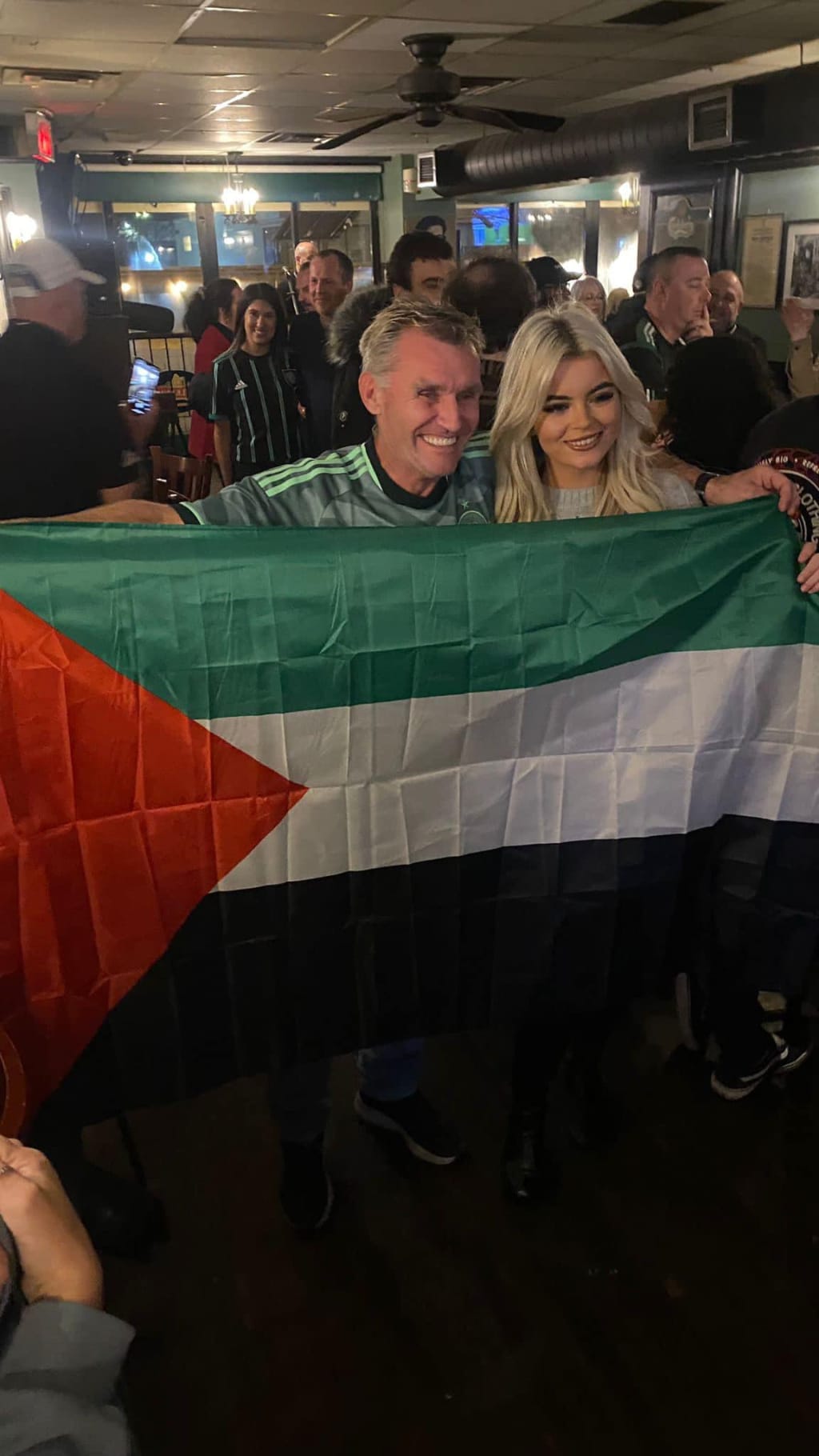
On a brisk Saturday evening in Mississauga, the Anapalis Banquet Hall became the nexus of a celebration that was meant to honor Irish culture. Sponsored by the Galway Arms pub in Etiboke and promoted by Magarac Promotions' "Shamrock Division," the event promised an evening of music, dance, and cultural pride.
With over 1,000 tickets sold, the anticipation was palpable, signaling a gathering that aimed to bring together the Irish diaspora in a grand festivity. Yet, the choice of performers and the subsequent audience it attracted turned the event into a nuanced narrative that touched upon the deeply rooted historical and political sentiments associated with some Irish and their anti- British identity.
The lineup featured Kaitlin Tierney and Gary Óg from Glasgow, alongside The Cooleys from the Northeast of Ireland. These artists, known for their Irish Republican affiliations and musical themes that resonate with the Irish Nationalist sentiment, shifted the event's atmosphere into one of raucous theatrics with men in balaclavas simulating the firing of Armalite rifles in the air.
While the intention might have been to celebrate Irish culture, the presence of these performers drew a specific crowd, predominantly hardcore supporters of Glasgow Celtic. This football club, founded in 1888 by an Irish priest, not only plays a significant role in Scottish football but also carries a cultural and political weight, symbolizing Irish Catholic identity and its historical struggles against English oppression.
Celtic football clubs significance goes beyond sports, intertwining with the narrative of the Irish in Glasgow and their descendants around the globe. Its foundation aimed at aiding the Irish poor, establishing a legacy of charity and community support that endures. However, the club's identity is also inseparable from the broader context of Irish nationalism and the historical tensions between Irish Catholics and the Protestant supporters of Rangers FC, Celtic's archrivals. This rivalry is emblematic of the deeper sectarian and political divides that have marked Irish and British history, particularly in relation to the Protestant Ulster Scots and their descendants who were plantated in the North of Ireland in 1609 by the English crown.
The Mississauga event's turn towards a celebration of Irish Republicanism inadvertently evoked memories of Northern Ireland's Troubles, a period of conflict that spanned nearly three decades from the late 1960s. This era was marked by violent confrontations between Irish republicans, who primarily identified as Catholic and sought the unification of Ireland, and Ulster loyalists, predominantly Protestant, who wished to remain part of the United Kingdom. The Troubles resulted in the loss of over 3,500 lives, with civilians, armed groups, and security forces among the murdered. The violence perpetrated by both the Irish Republican Army (IRA) and various loyalist paramilitary groups such as the (UVF) left deep scars on the communities involved, with thousands injured, thousands displaced and countless lives forever altered by the conflict.
The Troubles' legacy is a complex tapestry of grief, resilience, and ongoing efforts towards peace and reconciliation. The Good Friday Agreement of 1998 marked a significant turning point, offering a framework for political progress and a decrease in violence. However, the event in Mississauga underscores how the symbols and narratives associated with this period continue to evoke strong emotions and polarize opinions.
The attendance of two high-profile Canadian politicians at an event with such pronounced political undertones is a source of surprise, and will invoke controversy, even to some of those in attendance. The presence of Liberal MP James Maloney and Ontario Liberal Party leader Bonnie Crombie at a gathering that celebrated aspects of Irish Republicanism, especially through music and song that glorified IRA terrorists, raises questions about their awareness or the implications of their participation.
While it is remotely possible that these politicians attended under the assumption of engaging in a cultural celebration devoid of political connotations, the overt references to the IRA from the very outset should have posed a serious dilemma. However, their decision to remain, whether out of politeness or genuine interest or support, should spark debate on the responsibilities of public figures in navigating events laden with historical and political significance.
The event in Mississauga, intended as a celebration of Irish culture, inadvertently became a platform for expressing deeper, more contentious aspects of Irish Republican or Nationalist identity. It highlighted the enduring impact of historical conflicts on contemporary gatherings and the fine line between celebrating cultural heritage and venturing into the realm of political expression, they are not alone, there are many Orange order lodges around Canada that equally may celebrate Ulster loyalism in a similar fashion.
For the Irish diaspora and those who engage with its culture, such events serve as a reminder of the complexities inherent in navigating identity, memory, and belonging in a global context. As communities continue to grapple with these issues, the dialogue around such celebrations can offer opportunities for reflection, understanding, and, ultimately, reconciliation.
Whilst supposedly centered on Irish culture and music, the Mississauga event inadvertently brought to the fore the longstanding tensions between the Irish Catholics and Ulster Protestants, a dynamic that has echoes in Toronto's own history. Toronto, much like many parts of the world with significant Irish diaspora populations, has not been immune to the historical and political frictions that trace back to the emerald isles. The city's past reveals instances where these global tensions manifested locally, affecting community relations and public discourse.
Toronto's demographic landscape has been shaped by waves of immigration, with the Irish being among the early settlers in the 19th century. This influx included both Catholics and Protestants, mirroring the religious and political divisions of their homeland. The city, known for its multicultural ethos, has often been a microcosm of the broader global tensions between these communities. The historical presence of Orange Order lodges in Toronto, for instance, is a testament to the significant Ulster Protestant influence in the city's social and political life, especially in the 19th and early 20th centuries.
The Orange Order, founded in 1795 in the north of Ireland, symbolizes the Protestant communal identity and loyalty to the British Crown. Its parades and public demonstrations were not just cultural displays but also political statements, often leading to tensions with the Irish Catholic community, who held their own cultural and political affiliations, particularly with the notion of Irish nationalism and republicanism.
The historical tensions in Toronto between the Irish Catholics and Ulster Protestants were, in many ways, a reflection of the broader conflict back in Ireland. Events such as the Easter Rising of 1916 and the subsequent struggle for Irish independence would resonate within these communities in Toronto, sometimes exacerbating local tensions. Public spaces and events became arenas for expressing solidarity with the respective causes, whether it was support for Irish independence or loyalty to the British Crown.
The event in Mississauga, and the historical tensions it inadvertently highlighted, serve as a reminder of the importance of understanding and acknowledging the past. The Southern Irish and Northern Irish communities in Toronto, much like their counterparts in other parts of the world, have navigated a complex web of historical grievances, solidarity, and integration. Recognizing these dynamics is crucial in appreciating the full spectrum of diaspora experiences and the ways in which global conflicts can influence local communities.
As Toronto and Canada continues to evolve as a diverse and multicultural city, the lessons from its Irish Catholic and Ulster Protestant communities should offer valuable insights into the challenges and opportunities of living in a world marked by historical divisions and shared futures.
In this context, events that celebrate a murderous heritage wether perpetrated by Irish Republicans or Ulster Loyalists do nothing to advance reconciliation, or help move beyond historical tensions, events such as that in Mississauga last Saturday do not contribute to a more inclusive and harmonious community fabric, and organizers of such events in every community should take a long hard look at themselves. As for the politicians who attended, their faith is in your hands.
Liam Clancy
About the Creator
Liam Clancy
Liam Clancy, a Canadian of Irish descent, embodies cultural heritage and intellectual curiosity. Born and raised in Canada, Liam’s familial roots trace back to Ireland, a country known for its rich history and vibrant culture.
Enjoyed the story? Support the Creator.
Subscribe for free to receive all their stories in your feed.
Comments