
Precision in Motion: A Technical Guide to Electric and Electro-Mechanical Actuators
Optimizing Industrial Performance through Advanced Linear Motion and Precise Electric Actuator Technology

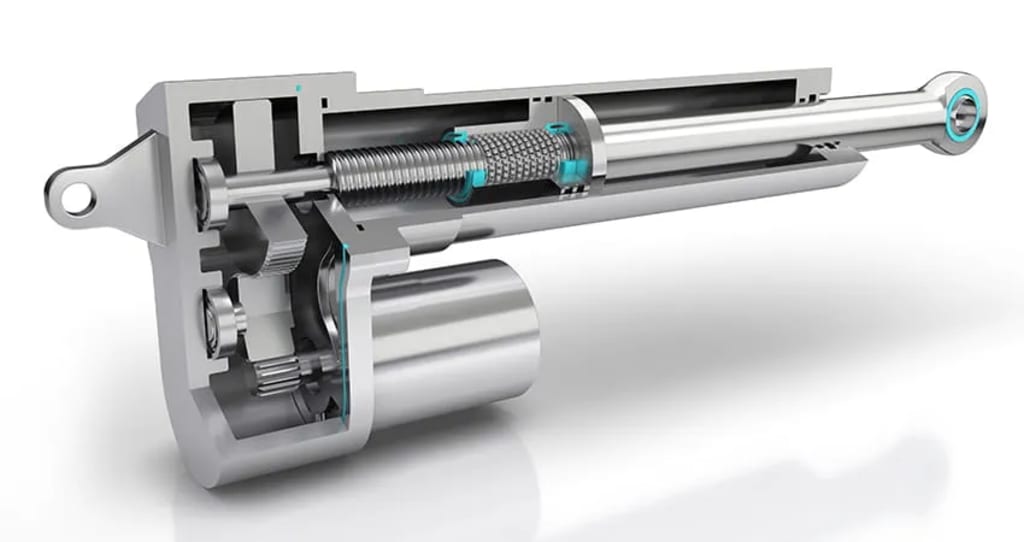
In the landscape of modern automation, the actuator serves as the muscle of the operation. Whether it is adjusting a solar panel to track the sun or regulating a valve in a chemical plant, these devices convert energy into controlled physical movement. As industries pivot toward more sustainable and precise solutions, the electric actuator has emerged as the preferred choice over traditional fluid-power systems.
1. Fundamentals of Electric Actuator Technology
An electric actuator is a device that converts electrical energy into mechanical torque or linear motion. Unlike pneumatic or hydraulic systems that rely on pressure differentials, electric versions use a motor—typically DC, AC, or Stepper—to drive a mechanical assembly.
The primary appeal of these units lies in their precision. Because the input is electrical, integration with digital control systems is seamless. This allows for sub-millimeter accuracy and repeatable positioning, which is critical in semiconductor manufacturing and medical robotics.
2. The Mechanics of Electro-Mechanical Systems
The term "electro-mechanical" refers to the specific bridge between electrical signals and physical force. In an electro-mechanical actuator, the rotational energy from the motor is usually transformed into linear motion through a drive screw mechanism.
There are two primary types of screw drives used:
- Lead Screws: Best for low-duty cycles and applications where noise reduction is a priority.
- Ball Screws: These utilize recirculating ball bearings to reduce friction, offering significantly higher efficiency and longer life cycles under heavy loads.

By utilizing these mechanical advantages, a relatively small motor can generate substantial force, making these devices both compact and powerful.
3. Vital Components of High-Precision Actuation
To understand how an actuator performs, one must look at its core architecture. A standard industrial-grade unit consists of several critical modules:
The Motor: The power source. Brushless DC (BLDC) motors are common in 2026 for their high power-to-weight ratio.
- The Gearing: A gearbox (often planetary or worm gear) reduces speed to increase torque.
- The Drive Train: This includes the screw and nut assembly mentioned previously.
The Feedback System: Encoders or potentiometers provide real-time data to the controller, ensuring the actuator has reached its intended position.
The Housing: Typically IP-rated aluminum or stainless steel to protect internal components from dust and moisture.
4. Future-Proofing Industry with Smart Actuation
As we move further into the era of Industry 4.0, actuators are no longer "dumb" mechanical links. Modern units are equipped with IoT connectivity and onboard diagnostics.
In 2026, smart actuators can predict their own failure points by monitoring heat signatures and vibration patterns. This transition toward predictive maintenance reduces downtime in critical sectors like aerospace, automotive assembly, and renewable energy. By integrating these smart components, facilities can optimize their energy consumption and streamline complex logistical chains with minimal human intervention.
Frequently Asked Questions
1. What is the main difference between an electric and electro-mechanical actuator?
Technically, all electro-mechanical actuators are electric, but not all electric actuators are electro-mechanical. An "electric actuator" is a broad category including solenoids , while "electro-mechanical" specifically refers to using a motor and mechanical linkage to create motion.
2. Are electric actuators suitable for harsh or outdoor environments?
Yes. By selecting units with high Ingress Protection ratings, such as IP66 or IP67, these devices can operate in heavy rain, dust, and wash-down environments common in the food and beverage industry.
3. What is the typical lifespan of a standard actuator?
Lifespan is measured in total travel distance or cycles. For ball-screw-driven actuators, a life of 10,000 to 50,000 kilometers of travel is common, depending on the load and lubrication frequency.
How would you like to apply these actuators in your specific project—are you looking for high-speed positioning or high-force lifting?
About the Creator
George
I love the way you framed the growth potential here. Most people just see numbers, but I see a massive narrative arc for Firefly over the next decade. Definitely a story I’ll be keeping an eye on as it develops.
Enjoyed the story? Support the Creator.
Subscribe for free to receive all their stories in your feed.
Comments
There are no comments for this story
Be the first to respond and start the conversation.