
Polycarbonate vs. High-Index Lenses: Which One Is Right for You?
Understanding Polycarbonate and High-Index Lenses: Features, Benefits, and Key Differences
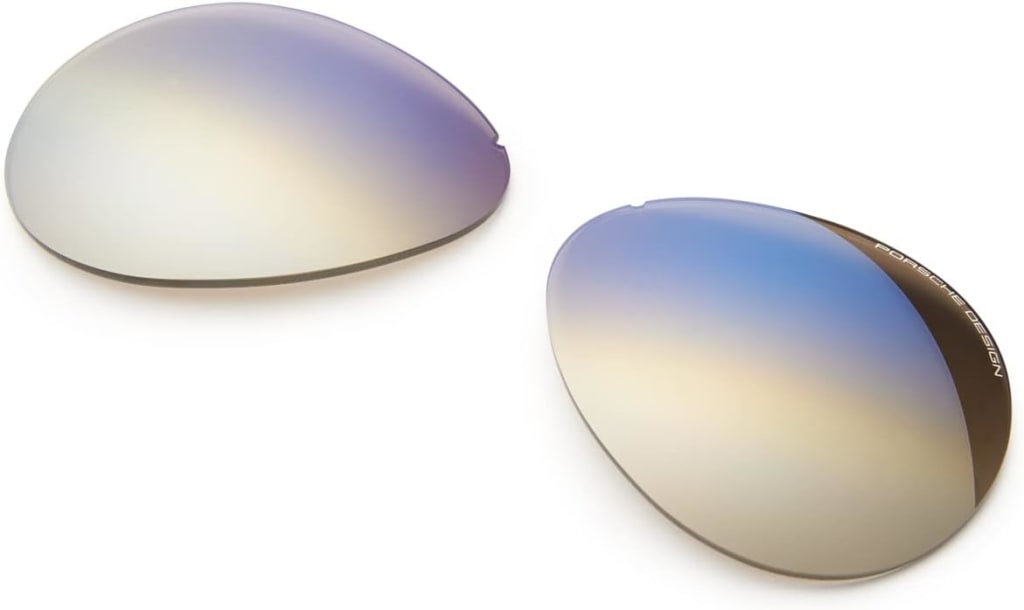
When choosing the right lenses for your eyewear, it’s important to consider your lifestyle, prescription needs, and personal preferences. Among the most popular options are polycarbonate lenses and high-index lenses. Each offers unique advantages, making them suitable for specific use cases. In this guide, we’ll delve into their features, benefits, and potential drawbacks to help you make an informed decision.
For those seeking durability and lightweight design, the Polycarbonate lens options stand out as a versatile and safe choice.
What Are Polycarbonate Lenses?
Polycarbonate lenses are made from durable, impact-resistant plastic material. Originally developed for aerospace applications, they are now widely used in eyewear due to their versatility and safety features.
Key Features:
• Impact Resistance: Polycarbonate lenses are up to 10 times more impact-resistant than traditional plastic lenses, making them ideal for children and athletes.
• Lightweight Design: These lenses are lighter than standard plastic or glass, providing added comfort for extended wear.
• UV Protection: They naturally block 100% harmful UVA and UVB rays, reducing the risk of eye damage caused by sun exposure.
What Are High-Index Lenses?
High-index lenses are crafted from a specialized material that bends light more efficiently than standard or polycarbonate lenses. This allows them to be thinner and lighter, even for high-prescription strengths.
Key Features:
• Thin Profile: Designed for individuals with strong prescriptions, high-index lenses reduce the bulky look and weight of traditional lenses.
• Enhanced Aesthetic: Their slim design makes them an excellent choice for rimless or lightweight frames.
• Multiple Refractive Index Options: Available in varying levels of thinness to suit specific prescription needs.
Polycarbonate vs. High-Index Lenses: A Detailed Comparison
1. Durability
• Polycarbonate Lenses: Extremely durable and shatter-resistant, making them perfect for active lifestyles and safety glasses.
• High-Index Lenses: While durable, they are more prone to scratches compared to polycarbonate lenses and may require additional protective coatings.
2. Weight and Comfort
• Polycarbonate Lenses: Lightweight and comfortable, suitable for daily use and high-activity scenarios.
• High-Index Lenses: Lighter than traditional plastic but heavier than polycarbonate lenses, depending on the refractive index.
3. Thickness
• Polycarbonate Lenses: Slightly thicker than high-index lenses, especially for stronger prescriptions.
• High-Index Lenses: The go-to option for individuals with strong prescriptions due to their significantly thinner profile.
4. Cost
• Polycarbonate Lenses: Generally, more affordable, making them an accessible choice for many.
• High-Index Lenses: Pricier due to their advanced material and manufacturing process.
5. Optical Clarity
• Polycarbonate Lenses: May have slightly lower optical clarity compared to high-index lenses but are sufficient for most users.
• High-Index Lenses: Offer superior optical clarity, especially for individuals with high prescriptions.
6. UV Protection
• Both lens types provide excellent UV protection, safeguarding your eyes from harmful sun exposure.
Which One Should You Choose?
The decision between polycarbonate and high-index lenses largely depends on your lifestyle and prescription needs.
• Choose Polycarbonate Lenses If You:
o Lead an active lifestyle or need safety glasses.
o Are purchasing glasses for children who require durable and impact-resistant lenses?
o Want a cost-effective solution for your eyewear needs?
• Choose High-Index Lenses If You:
o Have a high prescription and want thin, lightweight lenses.
o Prefer a sleek, aesthetic look for your eyewear.
o Are willing to invest in premium lenses for added comfort and clarity.
Tips for Lens Care
Regardless of your choice, proper care will extend the life of your lenses and maintain their performance:
• Use a microfiber cloth and lens-specific cleaner to prevent scratches.
• Avoid exposing lenses to extreme heat, as this can cause warping.
Conclusion
Both polycarbonate lenses and high-index lenses are excellent options, each catering to different needs and preferences. Polycarbonate lenses excel in durability and affordability, while high-index lenses offer superior aesthetics and comfort for high prescriptions. By understanding their features, you can confidently select the best lenses to suit your lifestyle and enhance your vision.
About the Creator
Tom Banton
At Replacement Lens Express, we prioritize your vision by offering affordable, high-quality lenses with the latest technology. Our selection includes durable polycarbonate options designed for exceptional clarity and resilience.
Enjoyed the story? Support the Creator.
Subscribe for free to receive all their stories in your feed.
Comments
There are no comments for this story
Be the first to respond and start the conversation.