
National Item Identification Number (NIIN): The Identity Behind Every Critical Part
In complex systems knowing exactly what something is can be more powerful than having it in hand.

What Is a NIIN?
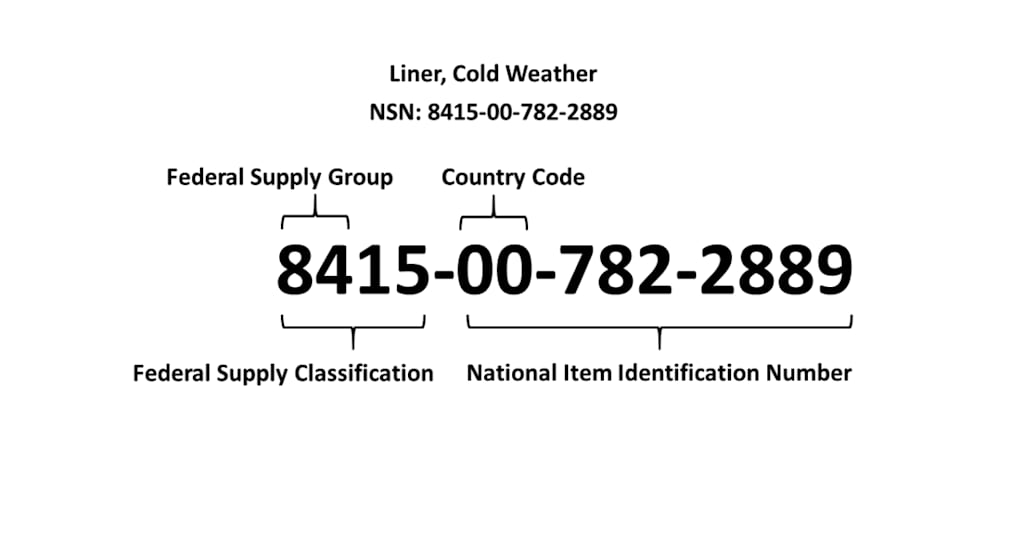
The National Item Identification Number (NIIN) is a unique 9-digit code used to identify a specific item in supply systems.
In simple terms
- It uniquely identifies a part
- It is used globally across systems
- It removes confusion between similar items
Every NIIN points to one specific item no duplicates, no ambiguity.
How NIIN Fits Into the Bigger System
To understand NIIN fully, you need to see how it connects to the National Stock Number (NSN).
Structure breakdown
- NSN = 13 digits
- Last 9 digits = NIIN
- First 4 digits = classification (FSC)
What this means
The NIIN is the core identifier, while the rest of the NSN provides context. From what I’ve seen, this layered system is what makes large inventories manageable.
Why NIIN Matters in Real Operations
In industries like defense and aviation, precision is everything.
Without NIIN
- Parts can be misidentified
- Procurement errors increase
- Compatibility issues arise
With NIIN
- Every part is clearly defined
- Communication becomes precise
- Systems operate more reliably
In my opinion, NIIN is less about numbers and more about eliminating uncertainty completely.
What Information Is Linked to a NIIN?
A NIIN doesnt exist on its own it connects to detailed information.
Typically associated data includes
- Item name and description
- Technical specifications
- Manufacturer references
- Related part numbers
- Application details
From my perspective, a NIIN is like a key that unlocks everything about a part.
Where NIIN Is Used
NIIN-based identification is used across multiple sectors.
Common applications include
- Military logistics
- Aviation maintenance
- Government procurement
- Industrial supply systems
Anywhere precision matters NIIN plays a central role.
The Role of NIIN in Sourcing
When sourcing parts, NIIN becomes the most reliable reference.
It helps teams to
- Find exact components quickly
- Verify specifications
- Avoid incorrect substitutions
- Improve procurement accuracy
Platforms like National Identification Number (NIIN) support this process by enabling structured lookup and identification.
Challenges in Using NIIN
Even with its advantages, working with NIIN requires attention.
Common challenges include
- Understanding the coding system
- Managing large volumes of data
- Keeping information updated
- Locating obsolete or rare parts
From what I’ve seen, the system is powerful but only when used correctly.
The Engineering and Logistics Perspective
From an engineering point of view, NIIN ensures the right part is selected.
From a logistics perspective, it ensures the part is traceable and available.
- Combined impact
- Better system reliability
- Faster procurement cycles
- Improved coordination across teams
In my opinion, NIIN works because it connects technical accuracy with operational efficiency.
What the Future Might Look Like
As technology evolves, NIIN systems will continue to improve.
Possible developments include
- AI-driven identification systems
- Real-time inventory tracking
- Enhanced global integration
- Faster and smarter lookup tools
From my perspective, the goal will remain the same: accuracy without delay.
Final Thoughts
The National Item Identification Number (NIIN) may seem like just a sequence of digits but it plays a critical role in how complex systems function. It brings clarity to massive inventories and ensures that every component is exactly what it should be. From my perspective, NIIN represents a simple but powerful idea: When everything is clearly identified, everything becomes easier to manage.
Precision in identification is the foundation of precision in performance
About the Creator
Beckett Dowhan
Where aviation standards meet real-world sourcing NSN components, FSG/FSC systems, and aerospace-grade fasteners explained clearly.
Enjoyed the story? Support the Creator.
Subscribe for free to receive all their stories in your feed.
Comments
There are no comments for this story
Be the first to respond and start the conversation.