
Most Common Electronic Parts Used in Manufacturing
Understanding Essential Electronic Components Powering Modern Production Systems

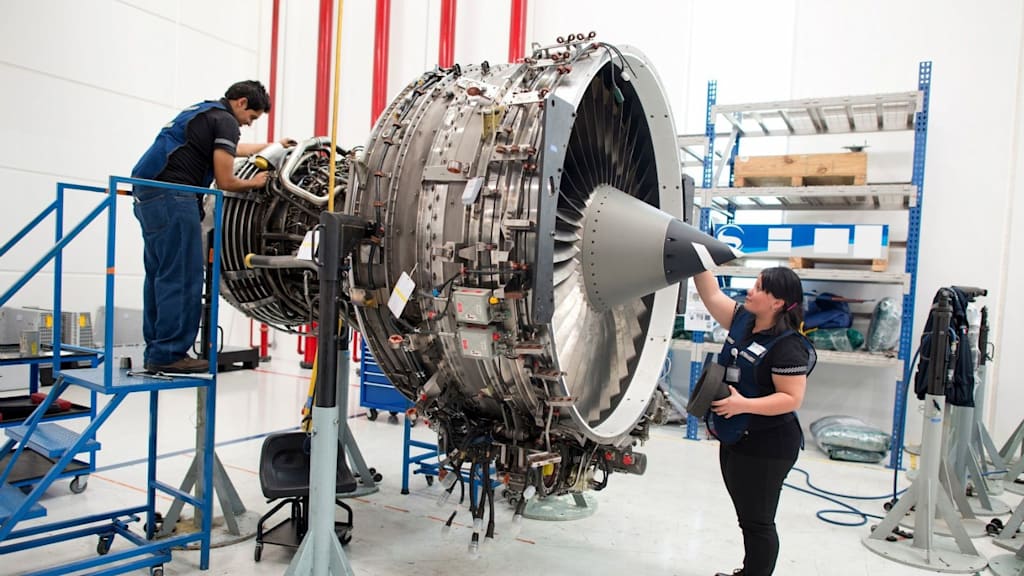
The manufacturing industry has undergone a major transformation with the integration of advanced electronic systems that improve efficiency accuracy and productivity. Modern production environments rely heavily on electronic components to control machinery monitor processes and ensure consistent output.
These components form the backbone of automated systems and play a vital role in enabling smart manufacturing practices across industries.Electronic systems are used in everything from assembly lines and robotics to quality control and data monitoring.
Without reliable electronic components manufacturing processes would face inefficiencies delays and increased operational risks. As industries continue to adopt digital technologies the importance of high quality electronic components continues to grow making them essential for sustainable and scalable production systems.
The Role of Electronic Components in Manufacturing Systems
Electronic components are responsible for powering and controlling industrial equipment used in manufacturing environments. These components enable machines to perform complex tasks with precision and consistency.
They also support communication between different systems allowing production lines to operate seamlessly.Control systems rely on electronic components to process data and execute commands that regulate machinery operations.
These systems help maintain production accuracy reduce waste and improve product quality. By ensuring smooth coordination between various parts of the manufacturing process electronic components play a crucial role in maintaining operational efficiency.
Resistors and Their Function in Circuit Control
Resistors are among the most common electronic components used in manufacturing systems. They regulate the flow of electrical current within circuits and protect sensitive components from damage caused by excessive voltage.In industrial equipment resistors help maintain stable electrical performance and ensure that systems operate within safe limits.
Their reliability is essential for preventing system failures and maintaining consistent machine performance. These components are widely used in control panels sensors and automation systems where precise electrical control is required.
Capacitors and Energy Storage
Capacitors play a key role in storing and releasing electrical energy within electronic circuits. They help stabilize voltage levels filter signals and support power management in industrial systems.In manufacturing environments capacitors are used in power supplies
Motor drives and control systems to ensure smooth operation. They help prevent voltage fluctuations that can disrupt production processes and damage equipment. By maintaining stable energy flow capacitors contribute to the overall efficiency and reliability of manufacturing systems.
Integrated Circuits and System Intelligence
Integrated circuits are essential components that combine multiple electronic functions into a single compact unit. These components act as the brain of many industrial systems processing data and controlling operations with high precision.In modern manufacturing integrated circuits
Are used in automation systems robotics and data processing units. They enable advanced functionalities such as real time monitoring predictive maintenance and intelligent decision making. The use of integrated circuits allows industries to achieve higher levels of efficiency and innovation in their production processes.
Sensors and Data Monitoring
Sensors are critical electronic components that collect data from manufacturing environments and provide real time insights into system performance. These devices detect changes in temperature pressure motion and other variables that affect production processes.
By providing accurate data sensors help operators monitor equipment performance and identify potential issues before they lead to system failures. This improves maintenance efficiency and reduces downtime ensuring continuous production. Sensors are widely used in automated systems where real time data is essential for maintaining operational accuracy.
Actuators and Motion Control
Actuators are electronic parts that convert electrical signals into physical movement. They are used in manufacturing systems to control mechanical actions such as opening valves moving robotic arms or adjusting machine positions.
These components play a vital role in automation by enabling precise control over machinery operations. Actuators ensure that production processes are carried out with accuracy and consistency which is essential for maintaining product quality and operational efficiency.
Power Supply Units and Energy Management
Power supply units are essential for providing stable electrical energy to manufacturing systems. These components convert and regulate power to ensure that electronic devices operate efficiently and safely.In industrial environments reliable power supply systems are critical for maintaining continuous operations.
Any disruption in power can lead to production delays and equipment damage. High quality power supply units help prevent such issues by delivering consistent and controlled energy to all components within the system.
The Importance of Quality and Reliability
The performance of manufacturing systems depends heavily on the quality and reliability of electronic components. High quality components ensure consistent performance reduce maintenance requirements and extend the lifespan of equipment.
Trusted suppliers and manufacturers play a key role in providing certified components that meet industry standards. Using reliable components helps organizations maintain operational efficiency and avoid costly downtime caused by component failure.
Future Trends in Electronic Components for Manufacturing
The future of manufacturing is closely linked to advancements in electronic components and smart technologies. Innovations such as artificial intelligence industrial automation and the Industrial Internet of Things are driving demand for more advanced and efficient components.
Smart sensors connected devices and advanced processing units are enabling real time monitoring and data driven decision making. These technologies are helping manufacturers optimize production processes improve efficiency and reduce operational costs.
As manufacturing continues to evolve electronic components will play an even greater role in supporting innovation and technological advancement.
Final Thought
Electronic components are essential for the operation of modern manufacturing systems supporting everything from automation and control to data monitoring and energy management. Their reliability and performance directly impact production efficiency product quality and operational success.
Understanding the role of common electronic components helps organizations make informed decisions about system design procurement and maintenance. By investing in high quality components and working with trusted suppliers businesses can ensure long term efficiency and competitiveness in the manufacturing industry.
As technology continues to advance the importance of electronic components will only increase shaping the future of manufacturing and driving continued innovation across industries.
About the Creator
Beckett Dowhan
Where aviation standards meet real-world sourcing NSN components, FSG/FSC systems, and aerospace-grade fasteners explained clearly.
Enjoyed the story? Support the Creator.
Subscribe for free to receive all their stories in your feed.
Comments
There are no comments for this story
Be the first to respond and start the conversation.