
Military Aircraft Connector Manufacturers: Complete Guide to Reliable Aviation Connectivity Solutions
Exploring High-Performance Connector Systems for Modern Military Aviation

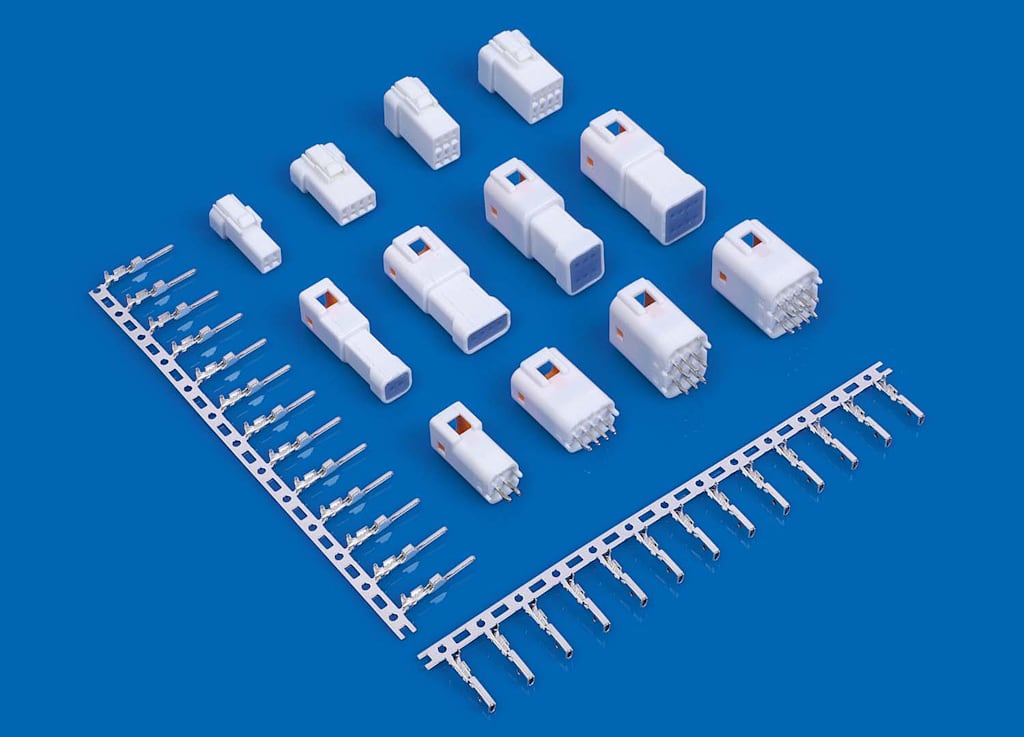
Introduction to Aircraft Connectors in Modern Aviation
Military aircraft connector manufacturers play a critical role in ensuring safe, stable, and efficient communication between various electronic systems inside aircraft.
In modern aviation, connectors are not just simple components; they are the backbone of electrical and data transmission systems that support avionics, navigation, engine control, and weapon systems.
Without high-performance connectors, aircraft cannot maintain operational integrity under extreme conditions such as vibration, temperature fluctuation, or electromagnetic interference.
These specialized components are designed to meet strict military standards such as MIL-SPEC requirements, ensuring durability, reliability, and long service life. From fighter jets to transport aircraft, every system relies heavily on precision-engineered connector solutions.
Importance of High-Quality Military Aircraft Connectors
Military aviation demands absolute reliability, and connectors must perform flawlessly in harsh environments.
High-quality connectors ensure uninterrupted signal flow between mission-critical systems such as radar, communication networks, and flight control systems.Any failure in connectivity can compromise the safety and effectiveness of the aircraft.
Manufacturers focus on producing connectors that resist corrosion, moisture, shock, and extreme pressure conditions. These components are typically built using advanced alloys, high-grade plastics, and specialized sealing technologies.
This ensures that even during combat or high-altitude operations, the electrical connections remain stable and secure.
In addition, modern aircraft designs require miniaturized yet high-density connectors that support increasing electronic complexity without adding unnecessary weight.
This balance between performance and size is a major focus for leading manufacturers in the aviation sector.
Role of Military Aircraft Connector Manufacturers in Supply Chains
Military aircraft connector manufacturers are an essential part of the global aerospace supply chain. They provide components not only to defense organizations but also to aviation maintenance, repair, and overhaul (MRO) providers.
These manufacturers ensure that replacement parts are readily available for aircraft servicing and upgrades.
Many suppliers also maintain extensive catalogs of NSN (National Stock Number) parts, allowing procurement teams to quickly identify and order required components.
Platforms such as aerospace distribution networks simplify the sourcing process by offering RFQ (Request for Quote) systems, helping buyers connect directly with verified manufacturers and suppliers.
In some cases, specialized industrial companies like Imo Transam Delaval are also referenced in broader engineering ecosystems due to their involvement in precision manufacturing and industrial equipment solutions that align with aerospace-grade standards.
Key Features of Advanced Aircraft Connector Systems
Modern military aircraft connectors are designed with advanced engineering features that enhance performance and reliability.
These connectors often include multiple contact points to support high-speed data transfer, shielded designs to reduce electromagnetic interference, and ruggedized shells for mechanical protection.
Another important feature is environmental sealing. Aircraft connectors must function in environments where moisture, dust, and fuel exposure are common. Sealed connectors prevent contamination and ensure long-term operational reliability.
Thermal resistance is also a key factor. Military aircraft operate across a wide range of temperatures, from freezing high-altitude conditions to extreme heat generated by engines and avionics systems.
Connectors must maintain electrical stability under all these conditions.
Applications of Aviation Connectors in Military Systems
Military aircraft connectors are used across multiple aircraft systems, including avionics, engine control modules, radar systems, communication networks, and flight instrumentation.Each application requires specific connector configurations tailored to performance needs.
For example, avionics systems rely on high-speed data connectors to ensure real-time information exchange between cockpit displays and navigation systems.
Engine systems require robust connectors capable of handling high power loads and vibration resistance. Communication systems depend on shielded connectors to maintain secure and interference-free transmission.
These applications demonstrate the importance of precision engineering and strict quality control in the manufacturing process.
Why Choosing Trusted Manufacturers Matters
Selecting reliable military aircraft connector manufacturers is essential for ensuring operational safety and long-term performance. Trusted manufacturers follow strict quality certifications, including ISO and MIL standards, to guarantee product reliability.
They also provide traceability for every component, which is critical in defense applications. Procurement teams often prefer manufacturers with global supply capabilities, fast RFQ response times, and comprehensive technical support.
Working with established suppliers reduces downtime, improves maintenance efficiency, and ensures compatibility with existing aircraft systems.
Conclusion: The Future of Military Aircraft Connectivity
The demand for advanced military aircraft connector manufacturers continues to grow as aviation technology evolves. With increasing reliance on digital systems, automation, and integrated avionics, connectors are becoming even more critical to aircraft performance.
Future innovations will focus on lightweight materials, higher data transfer speeds, and improved resistance to environmental stress. As aerospace systems become more complex, the role of reliable connectors will remain central to aviation safety and efficiency.
Military aviation will continue to depend on high-quality connector solutions to maintain operational readiness, mission success, and technological advancement in the years ahead.
About the Creator
Beckett Dowhan
Where aviation standards meet real-world sourcing NSN components, FSG/FSC systems, and aerospace-grade fasteners explained clearly.
Enjoyed the story? Support the Creator.
Subscribe for free to receive all their stories in your feed.
Comments
There are no comments for this story
Be the first to respond and start the conversation.