Latest Stories
Most recently published stories in FYI.
Remitano Review – A P2P Exchange for Buying and Selling Crypto
If you’re looking for a simple and efficient way to buy or sell cryptocurrency, Remitano might have crossed your radar. As a peer-to-peer (P2P) exchange, it connects buyers and sellers directly, offering a straightforward platform for crypto trading. Whether you’re new to the crypto world or an experienced trader, this review will walk you through everything you need to know about Remitano in 2025. From how it works to its fees, security, and user experience, let’s dive into what makes this platform stand out, and where it might fall short.
By Cryptoexlist exchangeabout a year ago in FYI
Issey Miyake Perfume: A Study in Simplicity, Nature, and Innovation
When people think of Japanese design, they often imagine clean lines, minimalism, and a deep respect for nature and balance. Those same qualities are at the heart of Issey Miyake perfume, a fragrance line born from the mind of a designer who never set out to follow the rules. Issey Miyake, known for his forward-thinking approach to fashion, brought that same energy to perfumery—resulting in scents that feel elemental, unforced, and enduringly modern.
By Tatiana Torskayaabout a year ago in FYI
Corporate Training Challenges and Solutions
As an experienced expert in corporate training and development, I have first-hand knowledge of the ever-changing trend of employee growth. In today's fast-moving world of corporate life, training is a prerequisite for the success of every company. Nevertheless, designing an effective training program can be very challenging. In this paper, I will examine the most common situations in corporate training and, subsequently, I will propose some acceptable solutions to these issues.
By emily brownabout a year ago in FYI
AI Factories: What do you need to know?. AI-Generated.
Artificial Intelligence (AI) is not just a technological trend—it’s the backbone of modern innovation. From autonomous driving to generative AI, the processing power and infrastructure needed to train, operate, and deploy AI models at scale are growing at an unprecedented pace. At the forefront of this transformation are AI factories—large-scale, high-performance data centers optimized for AI workloads.
By Ai and Cloud about a year ago in FYI
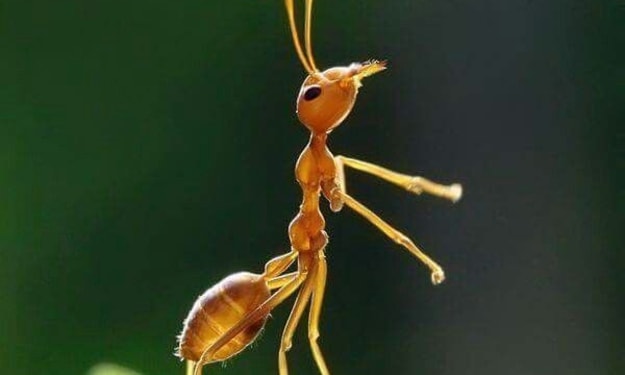
Why You Should Be Way More Afraid of Ants
statistically 3% of inhospital amputations performed by skilled surgeons end up in amputation of the wrong limb but that's what happens in the human world ants somehow managed to do that right even without attending a medical school researchers have recently made a groundbreaking discovery regarding the medical capabilities of Florida carpenter ants they saw those ants perform amputations on their injured Colony members marking the first known instance of such behavior in the animal kingdom the study found that ants triage wounds and adapt treatments by amputating legs depending on the severity of the injury the ant in question engage in these amputation procedures after sustaining injuries in battles with neighboring ant colonies according to Specialists the ants are able to correctly diagnose wounds and decide whether amputation is necessary for survival injured ants willingly participate in the process demonstrating a unique form of cooperation within the ant colony while the exact reasons behind this Behavior remain unclear researchers speculate that ants that undergo amputations have a higher chance of survival compared to those with untreated injuries the study also revealed that additional species of carpenter ants May exhibit similar amputation Behavior indicating that this medical treatment might be more widespread in the Ant World than previous ly thought scientists hope to further explore the implications of these findings including the ant's ability to feel physical discomfort and other strategies they may have for treating injuries if there are ant surgeons there must be Ant nurses too right well mbella ants are like the nurses of the insect World rescuing and healing their wounded buddies after battles with termites these ants are native to Africa and aren't afraid to take on biting soldier termites in their quest for food these ants carry their injured comrades back home after raids but rescues don't stop there once back at the nest ants take turns caring for the wounded using their mandibles and front legs to hold the injured limb in place and lick the wound for up to 4 minutes at a time the ants don't just help their friends out of the goodness of their hearts it turns out that these rescues are essential for the injured ant survival with up to 80% passing away within 24 hours if left untreated researchers found that the licking Behavior might help prevent infections and improve the chances of survival while humans can't walk more than a couple of blocks without consulting Google Maps ants use the sun's position and visual memories of their surroundings to guide them home while walking backward with heavy loads of food research reveals that ants are not only skilled Navigators but also masters of adapting to their surroundings in creative ways previously believed to have two separate reflexes guiding their movements ants have now been shown to strategically look behind them and use the sun's position to set their course while walking backwards basically it's like ants have their own GPS system which is impressive considering their small brain yep Size Doesn't Matter when it comes to Intelligence on another note trap jaw ants have been found to have a surprising trick up their sleeves when facing Predators these quick and fierce ants can actually Propel themselves into the air using their powerful mandibles to escape threats researchers observed this behavior in trap jaw ants encountering pit building ant lions and found that this unique Escape mechanism significant ly increased their chances of [Music] survival the friendship between ants and aphids has been a topic of Fascination for scientists for ages despite being as different as night and day these two insects have joined forces to ensure their Mutual success like the ultimate dynamic duo in the bug world their partnership demonstrates mutualism a fancy word for a give and take relationship where everyone wins ants play bodyguard for aits keeping them safe from pesky predators and parasites while also making sure they never go hungry in return aphids whip up some delicious honeydew for ants to enjoy kind of like a bug potluck one of the perks of being pals with an ant is having a personal security detail on standby 247 using their impressive Jaws ants scare off any troublemakers trying to mess with their apid buddies some ant species even go above and beyond by taking aphids under their wings well legs and moving them to safer locations aphids may not have the best taste in plant meals but they sure know how to turn it into a yummy treat for their ant Friends by turning plant sugars into honeydew aphids provide ants with a tasty snack packed with all the energy they need to keep on trucking ants will go to Great Lengths to find their apid buddies and stock up on this sweet sustenance ants and aphids aren't just munching on snacks together they're Master communicators too using special chemical signals ants guide one another to food sources and warn of incoming threats they even exchange signals with their aphid Pals sometimes giving them a little tickle with their antenna to boost honeydew production aphids aren't just sitting back and soaking up the sun they're proactive members of this bug buddy system they listen to ants signals and adjust their feeding habits accordingly maybe even packing up and moving if ants say it's time for a change of scenery ants may not produce honey do like aphids do but despite being insects they can produce milk like all the mammals out there who knows maybe one day we'll get ant milk lattes at Starbucks just kidding so most researchers thought they knew just about everything there was to know about ants until they decided to take a closer look at their pupe scientists have observed ant colonies for over a century Amazed by how ants work together like one big superorganism but despite all the attention on ants busy activities researchers haven't really focused on the pupil stage this is when ants transform from larae into full-grown adults in a recent study scientists revealed that ant pupe play a crucial role in colonies by producing a milk-like substance that feeds the rest of the ants this discovery was surprising because milk-like secretions were found in at least one species from each of the five major ant subfamilies so this amazing find suggests that there may be many more antt species out there making their own milk and the milk making process might have originated early in the evolution of all ants trust me you don't want to be on bad terms with ants or else they might Adorn their houses with your head I know it sounds insane but here's the deal ants really use their fo's heads to decorate their homes for the past 60 years scientists have been puzzled by the behavior of a small ant called for fora AR Baldi these guys love to Adorn their nests with the skulls of trap jaw ants which are armed to the teeth with venomous stingers and massive snapping mandibles despite the odds formica Arc boldy ants in Florida are skilled at bringing down their larger adversaries and snagging their heads how do they manage to do it you ask well it's all about their quick and efficient acid spray turns out formica Arc boldy ants seem to have a taste for a few specific kinds of trap jaw ants by mimicking their prey scent these Head Hunters have found a clever way to overpower them in battle but why exactly do they collect their Fox skulls some experts think it could be a way to Mas mask themselves from kidnapper ants who brainwash entire ant colonies tiny Weaver ants have impressive nest building skills and can create nests that are a thousand times bigger than themselves they create their dwellings by carefully pulling tree leaves together and securing them with silk produced by their larvae to start their construction project ants pick out a tree branch that will work well for their nest then they gather around leaves and begin pulling them together until they can form a solid structure once the leaves are in place it's time for Weaver ant larae to shine adult ants carefully transport the larvae to spaces between the leaves where they use their silk producing abilities to glue everything together .
By Riya singhabout a year ago in FYI
Selfie Waves
long-standing ban was lifted visitors were finally allowed to take selfies at the White House this is the first legal selfie ever taken on a White House Tour but a year before the ban was lifted in February of 2014 I met with the president and secretly took an illegal selfie while on the toilet In The West Wing thanks Obama why am I admitting to this crime now well it's time for the truth who took the first selfie really few people would call this a selfie but it is the oldest known self-portrait a depiction someone made of themself that includes Head and Shoulders it was sculpted more than three thousand years ago by Pharaoh akhenaten's first Chief Royal sculptor A guy named Beck next to himself Beck sculpted his wife to Heart making this also a contender for oldest known asy but the roots of the selfie go back further than this we have been making things that resemble ourselves in whole or in part intentionally or not for as long as there's been cause and effect just looking into a pool of water creates a kind of selfie A Primitive ephemeral one that you can't preserve or send to anyone but it is undeniably an image of the self made by the self even the earliest life forms on Earth were capable to some degree of self-discrimination they could differentiate themselves from the environment around them they have inside them in some chemical form a crude pre-conscious sense of themselves I call things like that a first wave selfie first wave selfies are unintentional automatic or accidental resemblances something makes of itself in whole or in part like prehistoric human Footprints or the mental images animals have of their own bodies the first big leap in selfie history the second wave began with the first intentional depictions of oneself second wave selfies include everything from Chauvet caves 32 000 year old hand stencil prints to the paintings of Jan Von Ike and Judith leister but in the 19th century self-depiction changed in another Major Way a technology emerged that allowed likenesses of the self to be made faster and with less skill that seemed more accurate less mediated and more indexical than ever before photography ushered in the third wave selfie in the fall of 1839 outside his family's lamp and chandelier store in Philadelphia thirty-year-old Robert Cornelius stood completely still for about 15 minutes in front of a camera he built using a modified opera glass and a sheet of silver plated copper the result was a significant image it could be found on his gravestone in Philadelphia's Laurel Hill Cemetery the Smithsonian calls it the first selfie but they also don't in that same fall of 1839 a man named Henry Fitz Jr took a photograph of himself in Baltimore Smithsonian Magazine and pretty much everyone else has called cornelius's Selfie the first but in their archives the Smithsonian calls Fitz Juniors the first the reason for this confusion is that honestly we don't know which of these came first all we can be sure of is that neither of them is the first equally by r a Frenchman wrote of taking a photo of himself in 1837 two years before these but it's been lost and other even earlier examples may have been lost as well because these are photographs people took of themselves it's largely uncontroversial to call them selfies but you know they're not like selfie selfies if you've seen my video is cereal soup you know what I just did there contrastive Focus reduplication that's when you repeat a word in order to focus on prototypical examples in contrast to edge cases for example we went on a date last night but you know it wasn't a date date in that statement I'm contrasting what I did last night which might have been a date to a true date date which is obviously a date okay anyway the point is no one called these selfies when they were taken they were photographic self-portraits the word selfie wouldn't even exist for another 160 years after they were taken so at some point between this and this our relationship to self-depiction changed and our vocabulary had to expand to discuss it what rough Beast emerged to make the coining of selfie necessary well let's keep going around 1846 Czech photographer MV lobethal took the earliest known selfie with a mirror this of course would become a classic selfie technique mirrors provided an easy early way to capture the self with a camera but in my opinion this mirror selfie from around 1900 is the most arresting I think you die at least three times once when your body stops living again usually sometime later when your name is spoken for the last time but now thanks to photography more and more of us are able to save ourselves from the third the last time and image of you is seen the identity of this woman is unknown that makes it the oldest known selfie taken by a person whose name we have forgotten this is the oldest known example of the classic outstretched arm selfie technique it was taken by Joseph Byron in 1909 images like these were a significant step toward the eventual fourth wave selfie the presence of a camera or arms or poles in the shot evidence of how it was made are Hallmarks of the modern day selfie stereotype for example a 2013 ad campaign for the cape times reimagined famous historical photographs as selfies and in every single one an arm connecting the subject to the camera was used five years after Byron's armed selfie Anastasia nikolivino Romanova the youngest daughter of Tsar Nicholas II and great-granddaughter to Britain's queen Victoria and Prince Albert took this photo of herself she was 13 years old at the time so many have claimed it to be the first selfie ever taken by a teenager but that's not true in 1852 61 years earlier British chemist William Henry Perkin took this photo of himself when he was just 14. however even though Anastasia wasn't the first teenager to take a selfie in another way she was unlike Perkins whose shot feels like a self-portrait she took pictures that feel much more like we today would call selfies the photos she took were personal she sent them to friends to share her mood and daily life here she is posing with fake novelty teeth in 1915 or 16. four years after taking this famous selfie her camera was confiscated and not long after Bolshevik revolutionaries executed her and her entire family together in a basement conclusive evidence of her death in 1918 wasn't uncovered until 2007. although her work was cut short she pioneered the use of Photography as a social behavior as a way to communicate not just commemorate she has been called the Kardashian of her day but despite her influence she was more of a trendsetter for hairstyles than photography she didn't usher in a worldwide shift in Behavior where young people everywhere started taking selfies camera manufacturers didn't rush to make self-portraiture easier and articles weren't written about how great or how scary it was that young people were taking pictures of themselves though the modern day selfie still wasn't born it continued to gestate and kick within the womb one such kick was the use of sticks and pulls to activate a camera's shutter in 1925 newlyweds Arnold and Helen Hogg used a long Pole to take this picture in 1934 Helmer Larson used a fallen tree branch to snap this selfie with his wife naime in Sweden on Reddit Chooch 37 shared his grandfather using a selfie stick in the late 1940s here's one from 1957 and going back to 1920 here's Joseph Byron taking a handheld photograph with others I mentioned this image because a second camera captured how it was taken giving us an early depiction of what is now the recognizable human selfie pose now what I think makes this image so significant is that it's another early Taste of the selfie as we know it today as Jin's rushitz pointed out in exploring the selfie if you Google self-portrait you get a lot of self-portraits there's only one image that shows someone making a self-portrait Norman Rockwell's famous triple self-portrait but if you Google selfie a lot of what you get aren't selfies they're pictures of people taking selfies four the selfie as we know it today the pose of taking one is just as if not more Salient than the actual result blogs and articles containing outrage over people taking selfies in inappropriate places or when they should be behaving differently rarely complain about the actual images they dislike the performance in 2015 Joanne paternapatania published a book of pictures of people taking selfies from which she had removed the environment giving us what feel like selfie poses preserved in specimen jars the idea that those taking photos can be a nuisance didn't begin with selfies far from it there's a long tradition of photographers especially tourists raising eyebrows for being annoying centering themselves over the location and being predictably heard like for example the Pisa pushers found in Italy the modern day selfie that was to come however makes a person look like a tourist everywhere they go not because everything suddenly became a landmark but because people have always loved looking at themselves and as cameras became smaller and easier to handle it was inevitable that people would start snapping more self-portraits Vivian Dorothy Meyer took really cool mirror selfies in the 1950s and 60s but she kept them to herself her selfies were unknown and unpublished during her lifetime a couple of years before her death she failed to make payments on a storage unit she rented and her Works were auctioned off six months after her death in 2009 a collector who had acquired them uploaded her images to Flickr and they went viral inspiring exhibitions a documentary a road in Paris was even named after her the popularization of instant cameras in the 60s and 70s made taking selfies physically and mentally easier you didn't need to know how to develop the film yourself or feel self-conscious turning in selfies to be developed but instant cameras with mirrors on the front didn't come around until decades later selfies still hadn't reached a Tipping Point in 1969 Michael Collins took the first reverse selfie a photograph that contains everyone but yourself Neil Armstrong and Buzz Aldrin are in this Lander right here and every human living or dead at that time is on this ball of Rock Only Collins himself behind the lens is absent in 1983 Hiroshi wada submitted a patent for a telescopic extender for supporting a compact camera an early selfie stick and two years prior Lester wisbrod started what was to become a personal tradition using his new auto focusing compact camera to snap selfies with famous people whiz broad was the pioneer of the celebrity selfie still though no one was using the word selfie selfies hadn't become a thing yet but then something happened in Japan in 1995 19 year old toshikawa haromi known as hero mix was nominated for the new Cosmos of Photography award by world renowned photographer Nobi Yoshi araki she submitted a portfolio of snapshots she'd taken of her daily life and she won the grand prize there was already a unique culture of photo diary and photo booth use among young people in Japan but hero mix's sudden Fame amongst teenagers and the educated Elite made the practice a thing suddenly young people all over Japan wanted to be like her the New York Times called it hero mix syndrome increased demand for cameras that made self-portraiture and proto-instagramming easier LED camera manufacturers to speed up the release of features that served immediate frequent photography hero mix took a lot of photos tens of thousands and her work generated polarized reactions some critics adored her While others found it all baffled now by the time selfies were called selfies the same debate was started again but it was a about the behavior hero mix had brought into focus more than a decade before you know it's hard to say who took the first selfie but in my opinion hero mix took the first selfie selfie her work hastened and christened the arrival of the fourth wave selfie the selfie as we know it today now if it hadn't been her it would have been someone else people love looking at themselves and it was becoming easier and easier to do so but hero mix popularized taking pictures of yourself as a social sharing activity more akin to speaking than remembering less a memory than a message nowhere is this more clear than in the story of the first camera phone picture on June 11 1997 while his wife was in labor Philippe Khan Jerry rigged together a makeshift system involving his star attack flip phone a Casio QV and a Toshiba laptop when his daughter was born he took a photo with the camera and used the laptop and phone connection to immediately email the image to more than 2 000 people social media is strongly associated with the fourth wave selfie but as we've seen it wasn't its origin instead social media was simply a mouth that showed up later and demanded to be fed them online we have no bodies we can't just walk in and be seen we have to upload images of our bodies for them to be there selfies are an easy solution because they don't require other people's help but on top of that there's a sense in which a photo of yourself taken by someone else is that person's point of view it's their story but a selfie well a selfie's point of view doesn't belong to another person when I look at a selfie of you I'm not a third Observer looking at you through someone else's eyes it's just me looking at you selfies allow us to be online first hand not second hand in the same way that brown bears who migrated to the cold lands of the north evolved pale guard hairs and became polar bears as humans migrated into the cold lands of the screen they evolved selfies by 2006 everyone knew that something was happening the New York Times published an article that year about how young people were suddenly taking a lot of photos of themselves was it weird what did it mean not once in the article is the word selfie used but it could have been because sometime between 1995 and 2006 the word selfie was born selfie with a Y had been a word since the 1600s it meant self-centered or selfish but selfie with an ie is new the earliest recorded usage of it is from a September 13 2002 post on Dr Carl's self-serve science Forum Australian Nathan hope uploaded an image he took of how busted up his lip had gotten and he wrote sorry about the focus it was a selfie hope has been hailed as the inventor of the word selfie but says himself that he probably heard it somewhere else first which is likely the word selfie is a hypocrism a pet name an affectionate familiar cuter version of an existing word Australians are famous for doing this barbecue Barbie mosquito mozzie Australian Aussie self-portrait selfie they don't only use I.E they love o s and Z too Australian English has given us probs Rando totes saws preggers and yes even doggo Myspace was an early incubator of thriving selfie colonies but in 2004 when Facebook launched as a serious social media platform for people at Elite universities there was a brief feeling that selfies were falling out of favor however when the iPhone 4 debuted with a front-facing camera in 2010 the selfie was declared officially back in 2013 usage of the word selfie had jumped 17 000 percent in the last year and Oxford dictionaries declared it the word of the year everyone knew what a selfie was we started calling things that existed before the word selfies as well but that is an anachronym a word used out of place in time anachronyms can be words that have lingered around too long like when we say we're dialing a number on a smartphone even though actual turning dials are no longer involved or when we call this tinfoil although it's actually the cheaper and more durable aluminum foil that superseded it anachronyms can also be words from today like selfie that barge back into the past like calling these medieval Church singers the first boy band nailing down the definition of a selfie in the modern sense is tricky of course does a selfie need to be a photograph if not why if so do I need to be holding the camera does the use of a timer or a drone I'm not even touching mean that it's not a selfie or just a different kind of selfie are humans a selfie since God made us in His image because of questions like that I prefer what I've been doing in this video just allow a selfie to mean anything that something has made that resembles itself or part of itself that covers a lot of stuff but can be broken down into four waves first wave selfies are unintentional the second wave began with the first deliberate depictions of oneself the third with photography's promise of recognizable self-depictions that were significantly more accessible the fourth wave is when selfies became a thing a cultural phenomenon motivated by a desire not just to have images but to be images throughout the 20th century especially we found ourselves increasingly surrounded by images news and travels and products and stories the entire world outside our head could be seen like never before not in person but through images in the midst of this image world was the human animal an organism that got to look at images but wasn't one which was too bad because to be an image was to be something well selfies gave us that power they put it in our own hands photography allows more of us than ever before to delay the third death but the fourth wave selfie flattens the boundaries of time and space now we can be anywhere whenever does my face need to be depicted for it to be a selfie well in October of 2013 Kim Kardashian posted this image on Instagram within a month belfie had been added to the Urban Dictionary a belfie is a selfie of your butt but selfie selfie belfie guides and histories and even a belfie stick soon followed and this all raises a serious question about Society if a selfie of your butt is called a belfie shouldn't a selfie of your face be called a filthy
By Riya singhabout a year ago in FYI
Randonautica: the creepiest app you could ever use in your life. AI-Generated.
Randonautica is a mobile app that has gained popularity for its amazing approach to exploring the world around users. It combines elements of randomness, adventure, and community engagement, encouraging users to venture into new and often unexpected locations.
By Ninfa Galeanoabout a year ago in FYI
Decentralized AI- Importance, Challenges, and Trends You Need to Know
Introduction As two of the most transformative technologies, AI and Blockchain can reshape various industry sectors. On one hand, AI enables machines to learn and make decisions, and on the other hand, Blockchain brings decentralization for more security. A reputed Blockchain development company integrates AI advancements to get the best of both worlds.
By Silicon IT Hubabout a year ago in FYI
5 countries that have the longest lightning sound in the world
However, we can discuss regions with high lightning activity, which inherently produce significant thunder. Here are five regions known for frequent and intense lightning, contributing to notable thunder occurrences:
By Moharif Yuliantoabout a year ago in FYI
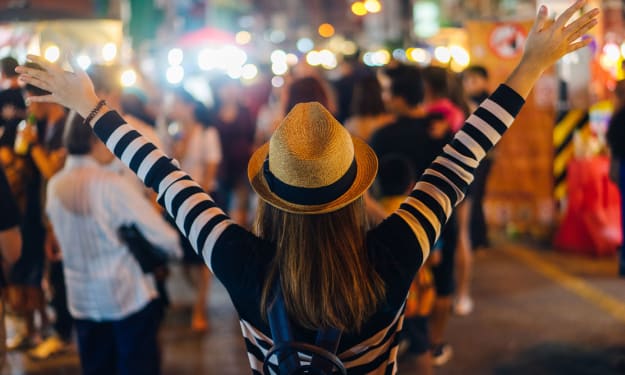
Vibrant Night Markets Around The World That UAE Tourists Must Explore. AI-Generated.
Vibrant Night Markets Around The World That UAE Tourists Must Explore Night markets offer an exciting glimpse into a destination’s culture, cuisine, and local craftsmanship. For UAE travelers, exploring these lively markets is a fantastic way to experience global flavors, traditions, and entertainment after sunset. From bustling food stalls to handcrafted souvenirs, here are some of the best night markets around the world that should be on your travel list.
By Jai Chauhanabout a year ago in FYI
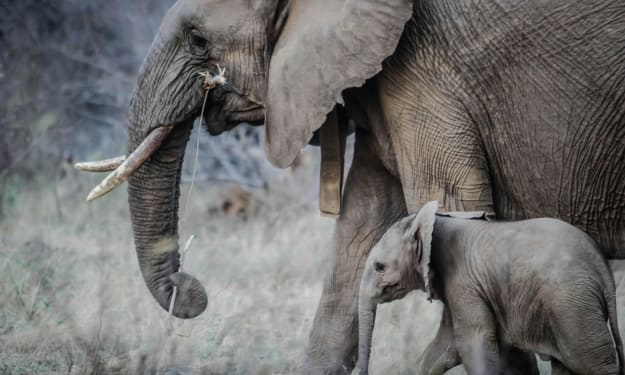
Unforgettable Safari Experiences For UAE Nationals Seeking Adventure. AI-Generated.
Unforgettable Safari Experiences For UAE Nationals Seeking Adventure A safari adventure offers an unmatched experience, blending breathtaking landscapes with extraordinary wildlife encounters. For UAE nationals seeking adventure, the world’s best safari destinations provide a thrilling escape into the heart of nature. Whether it’s the African savannah, the jungles of Asia, or the remote wilderness of Australia, each safari promises a unique journey filled with awe-inspiring moments.
By Dikshita Jindalabout a year ago in FYI