Latest Stories
Most recently published stories in FYI.
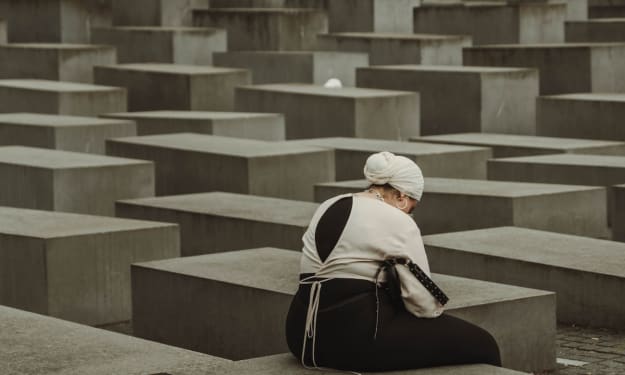
The Holocaust...
The Holocaust was a genocide that took place during World War II, resulting in the systematic murder of six million Jews and other targeted groups by the Nazi regime in Germany. The term "Holocaust" comes from the Greek word holokauston, which means "sacrifice by fire." The persecution of Jews by the Nazis began with the Nuremberg Laws in 1935, which stripped them of their rights and subjected them to discrimination and violence. This escalated in 1938 with Kristallnacht, a coordinated attack on Jewish homes, businesses, and synagogues throughout Germany and Austria. In 1939, Germany invaded Poland, and the Nazis began their campaign of mass murder. They established ghettos in major cities and began deporting Jews to concentration camps, where they were subjected to forced labor, starvation, and torture. The Nazis also implemented a policy of "euthanasia" for disabled individuals and others deemed "unfit" to live, including Romani people, homosexuals, and political dissidents. In 1941, the Nazis invaded the Soviet Union and began a campaign of extermination of the Jewish population, known as the "Final Solution." This involved rounding up Jews and transporting them to death camps, where they were gassed or shot en masse. Auschwitz-Birkenau, located in Poland, was the largest and most notorious of these death camps, where an estimated 1.1 million people, mostly Jews, were murdered. The Holocaust ended with the defeat of Nazi Germany in 1945, but the impact of the genocide is still felt today. The trauma and loss of life has had a profound impact on Jewish communities and on the world as a whole. The lessons of the Holocaust continue to be studied and remembered as a cautionary tale about the dangers of hatred and intolerance. It's important to note that discussing the Holocaust can be a sensitive and triggering topic, and it's essential to approach it with respect and care. The survivors and victims of the Holocaust deserve our empathy and support, and we must work to ensure that such atrocities never happen again. The Holocaust was a tragedy on an unprecedented scale, and its aftermath had far-reaching implications for the world. The trials at Nuremberg, which took place after the war, established the principle of individual accountability for crimes against humanity, and laid the groundwork for the development of international human rights law. The legacy of the Holocaust has also had a profound impact on Jewish identity and culture. The state of Israel was established in 1948, in part as a response to the genocide, and has since become a symbolic center of Jewish life and culture. The memory of the Holocaust is also central to Jewish identity, and many Jews continue to grapple with the trauma and loss caused by the genocide. The Holocaust has also had a lasting impact on our understanding of human nature and the dangers of fascism and totalitarianism. The Nazis' rise to power and the atrocities they committed were facilitated by a toxic combination of authoritarianism, nationalism, and anti-Semitism, and their legacy serves as a reminder of the dangers of such ideologies. Despite the lessons of the Holocaust, genocide and mass atrocities continue to occur around the world. From the genocides in Rwanda and Bosnia to the ongoing persecution of Uighur Muslims in China, the need for vigilance and action against such atrocities remains as urgent as ever. Remembering the Holocaust and the victims of the genocide is essential to preventing such atrocities from happening again. Through education, dialogue, and commemoration, we can work to ensure that the lessons of the Holocaust are never forgotten and that the world remains vigilant against the dangers of hatred and intolerance. One of the most important ways to ensure that the lessons of the Holocaust are not forgotten is through education. Schools around the world teach about the Holocaust, often incorporating survivor testimony and primary source documents, in order to help students understand the magnitude and consequences of the genocide. Many countries also have museums, memorials, and other commemorative sites dedicated to the Holocaust. Another important aspect of Holocaust education is teaching about the broader historical and social context that allowed the genocide to occur. This includes examining the rise of Nazism and fascist movements in Europe, as well as the historical and cultural roots of anti-Semitism. Beyond education, there are also other ways that we can work to prevent atrocities like the Holocaust. These include promoting respect for human rights and dignity, fighting against hate speech and discrimination, and supporting efforts to bring perpetrators of genocide and mass atrocities to justice. We must also work to support and empower survivors of mass atrocities, who often face ongoing trauma and struggle to rebuild their lives in the aftermath of such events. This includes providing access to medical care, mental health services, and other forms of support and assistance. Finally, we must remain vigilant against the dangerous ideologies and movements that can lead to genocide and mass atrocities. This includes working to address the root causes of hate and intolerance, promoting intercultural dialogue and understanding, and standing up against those who seek to demonize and dehumanize vulnerable groups. In conclusion, the Holocaust was a dark chapter in human history that had far-reaching consequences for the world. Its legacy serves as a reminder of the dangers of hatred and intolerance, and underscores the importance of working to prevent atrocities like the Holocaust from ever happening again. By remembering the lessons of the past, educating future generations, and working to build a more just and inclusive world, we can honor the memory of the victims of the Holocaust and help to ensure that such atrocities never occur again.
By Santhosh Ramesh 4 years ago in FYI
Power Dynamics in Seduction...
Power Dynamics in Seduction Power dynamics refer to the distribution of power and control in a relationship or interaction. In the context of seduction, power dynamics refer to the way in which the individuals involved exert power over each other in order to influence or control the outcome of the interaction. In some cases, the seducer may have more power and control due to factors such as social status, wealth, physical attractiveness, or charisma. In these situations, the seducer may use their power to manipulate or exploit the person they are trying to seduce. On the other hand, the person being seduced may also have power in the form of emotional or psychological leverage, or through their own attractiveness or charisma. In these cases, the balance of power can be more equal and the seduction can occur through mutual consent and desire. Regardless of the specific power dynamics at play, it is important to consider the potential consequences and responsibilities that come with exerting power in a seduction or any other type of relationship. All individuals involved should always practice clear and informed consent, and prioritize respect and dignity for one another. It's also worth noting that power dynamics can be complex and can change over time. For example, a person who is initially in a position of power may find themselves in a more vulnerable or submissive position as the interaction progresses. In order for a seduction to be healthy and fulfilling for both parties, it is important for there to be mutual respect and understanding of each other's boundaries and desires. This requires open and honest communication, as well as a willingness to listen and respond to the needs and concerns of the other person. It is also crucial to be aware of any power imbalances that may be present, and to take steps to address these imbalances in order to ensure that the interaction is respectful and consensual. This can include setting clear boundaries, establishing mutual trust, and avoiding exploitation or coercion. In conclusion, power dynamics play a significant role in the dynamics of seduction and it is important to be mindful of these dynamics in order to ensure that the interaction is healthy, respectful, and fulfilling for all parties involved. Additionally, it's important to be aware of the societal and cultural norms that can influence power dynamics in seduction. For instance, certain cultures may have traditional gender roles that influence the way in which power is distributed between individuals in a seduction. These societal and cultural norms can shape the way in which people understand and experience seduction, and can also have a profound impact on the way in which individuals perceive and use their own power. It's important to challenge and question these societal and cultural norms, and to create a space in which individuals can engage in seduction in a way that feels safe, respectful, and empowering for everyone involved. This can involve actively working to dismantle oppressive power structures and creating an environment in which all individuals have agency and control over their own bodies and experiences. In the end, it is important to remember that power dynamics are always present in relationships and interactions, including those that involve seduction. By being aware of these dynamics, and actively working to create a more equitable and respectful environment, we can help ensure that seduction is a positive and fulfilling experience for all involved. It's also important to remember that power dynamics can be a source of tension or conflict in seduction. For example, one person may feel uncomfortable or exploited if they believe that the other person is using their power to manipulate or control the outcome of the interaction. On the other hand, the person with the perceived power may feel frustrated or resentful if they feel that their advances are being blocked or rejected. To mitigate these types of conflicts, it's essential to maintain open and clear communication throughout the process of seduction. This can involve discussing and establishing boundaries, negotiating power dynamics, and ensuring that both parties are comfortable and consenting to the interactions. Moreover, it's important to be aware of the role that power plays in seduction and to work to create a more equal and respectful power dynamic. This can involve actively challenging traditional power structures and norms, and creating a space in which all individuals have equal agency and control over their own bodies and experiences. In conclusion, power dynamics are a crucial aspect of seduction and must be carefully considered in order to create a safe, respectful, and fulfilling environment for all parties involved. By being aware of power dynamics, and actively working to create a more equal and respectful power dynamic, we can help ensure that seduction is a positive and empowering experience for all involved.
By Santhosh Ramesh 4 years ago in FYI
The Race to One Billion: The First Person to Surpass this Historic Milestone
In today's world, the concept of becoming a billionaire is something that many people aspire to achieve. However, it wasn't until fairly recently that this was even a possibility, as accumulating such a large amount of wealth was once considered unfathomable. Despite this, the first person to surpass the one billion dollar mark managed to do so, and this achievement remains an iconic moment in financial history. So, who was this person, and how did they manage to accomplish such a remarkable feat?
By Daniel Haqeem4 years ago in FYI
The Rothschild Family Fortune
The Rothschild family is one of the most influential and wealthy families in the world. With a history that dates back over 200 years, the Rothschilds have built a fortune that is estimated to be worth over $500 billion. But how did this family come to be so wealthy, and what has contributed to their lasting power and influence? Let's take a closer look at the history of the Rothschild family fortune.
By Daniel Haqeem4 years ago in FYI
Karikalan and Kallanai
Karikalan and Kallanai: A Look into the Historic Wonders of Tamil Nadu About Chola Dynasty: The Chola dynasty was one of the longest-ruling dynasties in the history of South India. They ruled over the Tamil country from the 9th century AD to the 13th century AD and were known for their great military conquests and cultural contributions. During their reign, the Cholas built many magnificent temples, such as the Brihadeeswarar Temple in Thanjavur and the Airavatesvara Temple in Darasuram. These temples are considered to be some of the finest examples of Dravidian architecture and are UNESCO World Heritage sites.
By Ganesh Alan4 years ago in FYI
The Copper Defence Bracelet
The copper defense bracelet is a type of jewelry that is believed to have health benefits. These bracelets are made of copper, a metal that has been used for centuries in various traditional medicines to treat a wide range of health conditions. The idea behind copper defense bracelets is that the copper in the bracelet can be absorbed through the skin and into the body, where it can help to reduce inflammation and pain.
By Pranay Jai Kumar4 years ago in FYI