
Landing Gear Components Guide for Aviation NSN Systems
Understanding the Importance of Landing Gear in Aviation
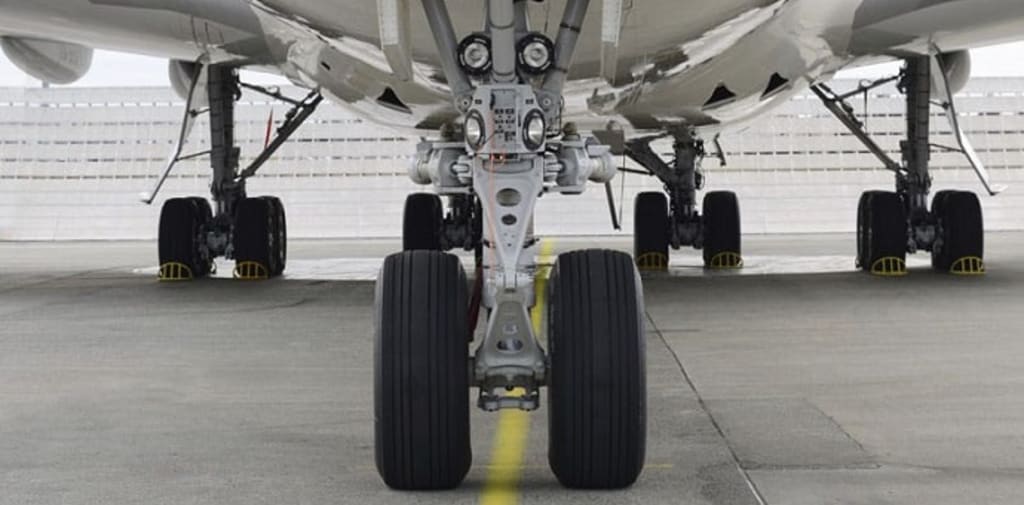
In the aviation industry safety stability and operational efficiency are essential for every aircraft. One of the most critical systems responsible for these functions is the aircraft landing system. From commercial jets to military aircraft properly functioning landing gear components ensure smooth takeoffs, secure landings, and reliable ground movement.
Aviation professionals, maintenance teams, and procurement specialists rely heavily on National Stock Number (NSN) systems to identify source and manage these essential parts with precision and accuracy.The aviation sector operates in a highly regulated environment where component reliability is non-negotiable.
Because of this, understanding how landing gear components integrate with aviation NSN systems is extremely important for maintenance efficiency supply chain management, and aircraft performance. Modern aviation companies and suppliers use standardized NSN databases to streamline procurement and reduce downtime across fleets.
What Are Aviation NSN Systems?
Aviation NSN systems are standardized identification methods used to classify military and aerospace parts. A National Stock Number is a 13-digit numeric code that helps identify approved components used in aviation defense and government operations. These numbers simplify inventory management and allow procurement teams to locate exact replacement parts quickly.
Each NSN is assigned to a specific product with detailed technical information including manufacturer data dimensions material specifications and application compatibility. In the aviation industry NSN systems are essential because aircraft components must meet strict safety and quality standards.
For aircraft maintenance organizations, using NSN systems reduces errors during procurement and ensures that every component matches the required operational specifications. This process is particularly important for critical systems like landing assemblies braking units hydraulic actuators wheels and structural support equipment.
Major Components of Aircraft Landing Systems
Aircraft landing systems consist of several interconnected components designed to absorb impact, support aircraft weight, and maintain directional control during taxiing takeoff and landing. Each part must function precisely to maintain aircraft safety and operational readiness.
Wheels and Tires
Aircraft wheels and tires are specially engineered to withstand extreme pressure high speeds and varying runway conditions. These components experience intense stress during landing and require regular inspection and replacement. NSN systems help maintenance crews locate approved wheel assemblies and compatible tire models quickly.
Modern aviation tires are designed with advanced materials that improve durability, reduce wear and enhance braking performance. Properly identified NSN components ensure that only certified products are installed on the aircraft.
Shock Struts and Hydraulic Assemblies
Shock struts absorb landing impact and help stabilize the aircraft during ground operations. Hydraulic systems within these assemblies use compressed fluid and gas pressure to minimize structural stress during touchdown.
Because hydraulic components operate under extreme conditions, precise identification through NSN databases is essential. Maintenance personnel rely on accurate stock numbers to source seals, pistons, cylinders, and hydraulic valves compatible with specific aircraft models.
Braking Systems
Aircraft braking systems play a major role in runway safety and stopping performance. These systems include brake discs, control valves, actuators, anti-skid sensors and hydraulic units. Aviation NSN systems allow technicians to identify replacement braking components efficiently while ensuring compliance with aerospace regulations.
Reliable braking performance is critical for both commercial and military aviation operations. High-quality replacement parts sourced through NSN databases contribute to improved aircraft safety and reduced maintenance risks.
Retraction Mechanisms
Retraction systems allow aircraft wheels to fold into the fuselage after takeoff and deploy before landing. These mechanisms involve hydraulic actuators locking assemblies electrical sensors and structural supports.
Since these assemblies contain highly specialized components, NSN identification helps procurement teams source exact replacement parts without compatibility issues. This reduces maintenance delays and improves fleet readiness.
The Role of NSN Systems in Aviation Maintenance
Aircraft maintenance requires extreme accuracy especially when dealing with mission-critical systems. NSN systems provide a standardized framework that simplifies maintenance planning and procurement processes.
When a component requires replacement, maintenance technicians can search by NSN to locate exact approved parts from certified suppliers. This minimizes the risk of counterfeit or incompatible products entering the aviation supply chain.
In addition aviation organizations use NSN databases to maintain accurate inventory records and reduce unnecessary stock accumulation. This improves operational efficiency while lowering procurement costs.
For defense and military aviation sectors NSN systems are even more important because they support global logistics operations. Aircraft deployed in different regions can receive compatible replacement components quickly through standardized identification systems.
Why Quality Matters in Landing Gear Components
Aircraft safety depends heavily on component quality and reliability. Even a minor defect in a structural or hydraulic assembly can create serious operational risks. That is why aviation companies prioritize certified suppliers and traceable inventory systems when sourcing components.
The term “landing gear” is often associated with aircraft stability and structural integrity because it directly impacts passenger safety and aircraft performance. Components used within these systems must undergo rigorous inspection testing and certification before installation.
Using NSN systems improves traceability and helps maintenance teams verify component authenticity. This ensures compliance with aviation regulations and supports long-term aircraft reliability.
Advancements in Aviation Component Technology
The aviation industry continues to adopt advanced technologies to improve aircraft efficiency and maintenance procedures. Modern landing system components now use lightweight composite materials corrosion-resistant alloys, and digitally monitored hydraulic systems.
Advanced predictive maintenance software also integrates with NSN databases to identify replacement requirements before component failure occurs. This proactive approach helps airlines and military operators reduce downtime and improve operational readiness.
Digital inventory management systems further streamline aviation logistics by allowing procurement teams to track component availability in real time. As aviation technology evolves NSN systems remain a vital part of efficient aircraft maintenance and supply chain management.
Final thought
Landing system components are among the most important parts of any aircraft because they directly affect safety stability and operational efficiency. From wheels and brakes to hydraulic struts and retraction assemblies every component must meet strict aviation standards to ensure reliable performance.
Aviation NSN systems play a crucial role in simplifying procurement improving inventory management and ensuring component accuracy across the aerospace industry. By using standardized stock numbers aviation organizations can source certified replacement parts quickly while maintaining compliance with safety regulations.
As the aviation industry continues to evolve with advanced technologies and smarter maintenance solutions NSN systems will remain essential for supporting aircraft reliability, operational readiness and long-term aviation safety.
About the Creator
Enjoyed the story? Support the Creator.
Subscribe for free to receive all their stories in your feed.
Comments
There are no comments for this story
Be the first to respond and start the conversation.