
Landing Gear Components and Their Role in Safe Aircraft Operations
Understanding How Landing Gear Systems Ensure Stability, Safety, and Performance in Aviation

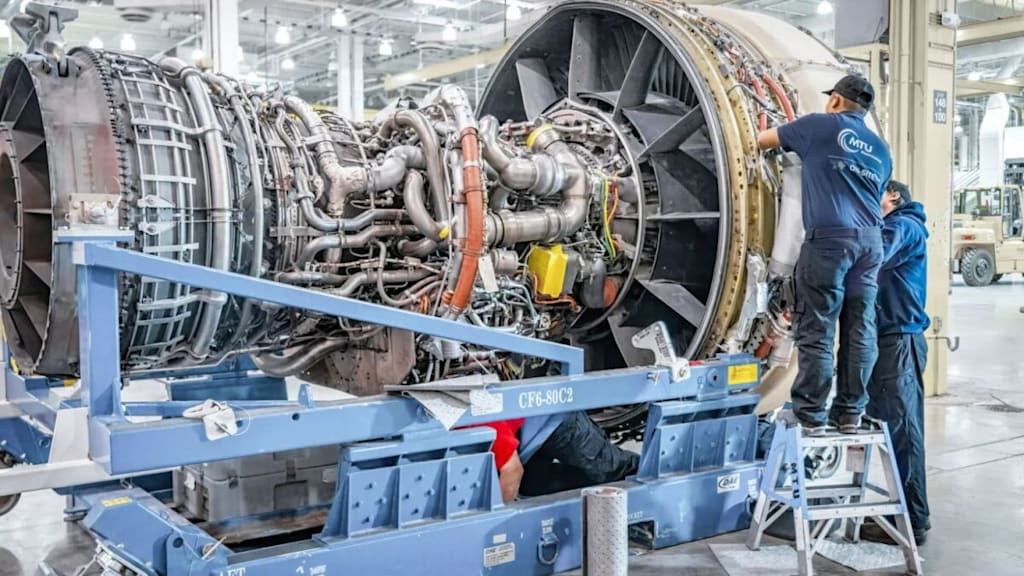
In the aviation industry safety and reliability are paramount. Every component of an aircraft is engineered with precision to ensure smooth and secure operations and among these components the landing gear system plays a critical role.
Often overlooked by passengers landing gear is one of the most essential systems in an aircraft responsible for supporting the aircraft during takeoff landing and ground operations.Landing gear components must withstand extreme stress absorb impact forces and maintain structural integrity under challenging conditions.
Their performance directly affects aircraft safety operational efficiency and maintenance reliability. Understanding how these components function and contribute to safe aircraft operations is essential for aviation professionals engineers and procurement specialists.
The Structure of Landing Gear Systems
The landing gear system is a complex assembly of mechanical and hydraulic components designed to support the aircraft while on the ground and during critical flight phases. It typically includes wheels tires shock absorbers struts brakes and retraction mechanisms.
Each component within the landing gear system serves a specific function. The wheels and tires support the aircraft’s weight and allow smooth movement on runways. Shock absorbers often referred to as oleo struts are designed to absorb the immense impact forces generated during landing.
Braking systems provide the necessary stopping power while retraction systems allow the landing gear to be folded into the aircraft structure during flight to reduce drag.These components must work in perfect coordination to ensure safe and efficient aircraft operations.
Shock Absorption and Impact Management
One of the most critical functions of landing gear is to absorb the impact forces during landing. When an aircraft touches down it experiences significant vertical and horizontal forces that must be managed effectively to prevent structural damage.
Shock absorbers play a vital role in this process. They use hydraulic fluid and compressed gas to dissipate energy and reduce the stress transferred to the aircraft’s structure. This ensures a smoother landing and protects
Both the aircraft and passengers from excessive impact forces.Efficient shock absorption also contributes to the longevity of the aircraft by reducing wear and tear on structural components.
Supporting Aircraft Stability on the Ground
Landing gear systems are essential for maintaining aircraft stability during ground operations. Whether the aircraft is taxiing accelerating for takeoff or slowing down after landing, the landing gear ensures balance and control.
The design of the landing gear including its placement and alignment helps distribute the aircraft’s weight evenly. This stability is crucial for preventing tipping or uneven load distribution especially in large commercial aircraft.
In addition, steering mechanisms integrated into the landing gear allow pilots to control the aircraft’s direction while taxiing on runways and taxiways. This enhances maneuverability and ensures safe ground navigation.
Braking Systems and Safety Control
Braking systems are another vital component of landing gear assemblies. After landing aircraft must decelerate safely within the available runway distance. Advanced braking systems provide the necessary stopping power while maintaining control and stability.
Modern aircraft braking systems often include anti-skid. technology which prevents wheel lock-up and ensures effective braking under various runway conditions. This is particularly important during adverse weather conditions.
Such as rain or snow where runway surfaces may be slippery.Reliable braking systems significantly enhance aircraft safety by reducing the risk of runway overruns and improving overall control during landing.
Retraction Systems and Aerodynamic Efficiency
Landing gear is not only important during ground operations but also plays a role in flight performance. To improve aerodynamic efficiency most aircraft are equipped with retractable landing gear systems.
Once the aircraft takes off the landing gear is retracted into designated compartments within the fuselage or wings. This reduces aerodynamic drag, allowing the aircraft to achieve higher speeds and improved fuel efficiency.
The retraction and extension mechanisms must operate flawlessly as any malfunction could compromise both safety and performance. These systems are carefully engineered and regularly maintained to ensure reliability.
Maintenance and the Role of Precision Tools
Given the complexity and importance of landing gear systems regular maintenance and inspection are essential. Maintenance teams rely on advanced diagnostic methods and specialized equipment to ensure that all components are functioning correctly.
The use of high-quality aircraft tooling is critical in this process. Precision tools allow technicians to perform accurate inspections repairs and component replacements while maintaining strict aviation standards. Proper tooling ensures that maintenance procedures are carried out
Efficiently and safely reducing the risk of errors and improving overall system reliability.Routine maintenance not only extends the lifespan of landing gear components but also ensures compliance with aviation safety regulations.
Reliability in Extreme Conditions
Landing gear systems must operate reliably under a wide range of environmental conditions. From extreme temperatures at high altitudes to heavy loads during landing these components are subjected to significant stress.
Manufacturers design landing gear components using advanced materials and engineering techniques to ensure durability and performance. These components undergo rigorous testing to meet strict safety and certification standards.
Redundancy and fail-safe mechanisms are also incorporated into landing gear systems to ensure continued operation even in the event of a component failure. This level of reliability is essential for maintaining safe aircraft operations.
Future Innovations in Landing Gear Technology
As aviation technology continues to advance landing gear systems are also evolving. Engineers are developing lighter and more durable materials to improve performance and reduce aircraft weight.
Advanced monitoring systems are being integrated into landing gear assemblies to provide real-time data on component health and performance. These systems enable predictive maintenance allowing operators to identify potential issues before they lead to failures.
Innovations in braking technology shock absorption and system automation are expected to further enhance the safety and efficiency of landing gear systems in the future.
Final Thought
Landing gear components are a fundamental part of aircraft design playing a critical role in ensuring safe and efficient operations. From absorbing landing impact to providing stability braking control and aerodynamic efficiency these systems are essential for every phase of flight.
The reliability of landing gear depends on high-quality components precise engineering and regular maintenance supported by specialized tools. As the aviation industry continues to evolve, advancements in landing gear technology will further enhance aircraft safety and performance.
For aviation professionals and organizations understanding the importance of landing gear systems is essential for maintaining operational safety improving efficiency and ensuring the long-term success of aircraft operations.
About the Creator
Beckett Dowhan
Where aviation standards meet real-world sourcing NSN components, FSG/FSC systems, and aerospace-grade fasteners explained clearly.
Enjoyed the story? Support the Creator.
Subscribe for free to receive all their stories in your feed.
Comments
There are no comments for this story
Be the first to respond and start the conversation.