
How Threaded Rod Components Support Aerospace Assemblies
The Critical Role of Threaded Rod Components in Modern Aerospace Assemblies
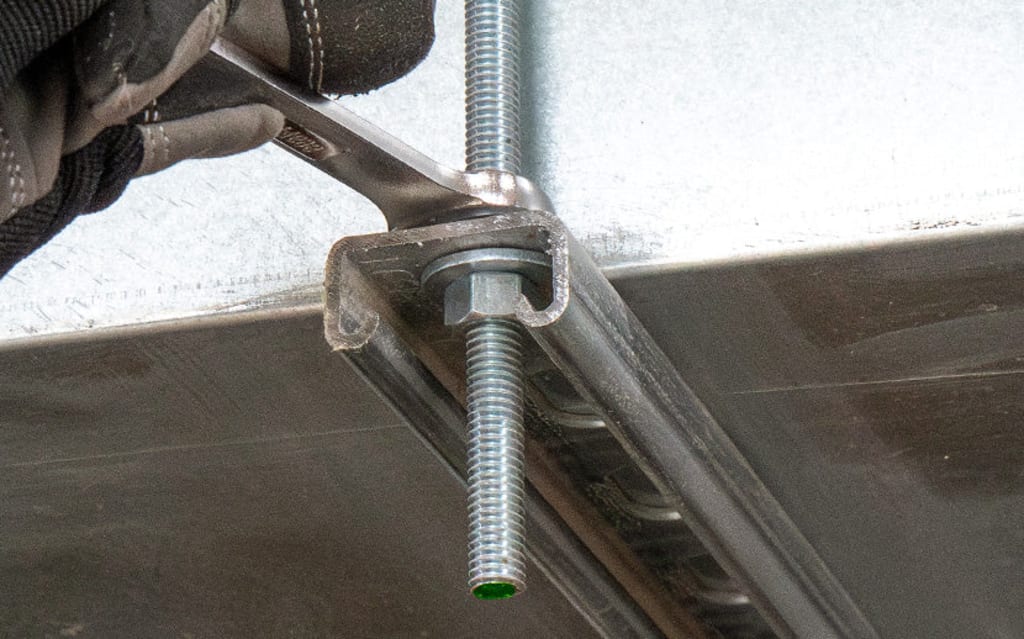
The aerospace industry depends on precision-engineered components that can withstand extreme operating conditions while maintaining structural integrity and reliability. Every aircraft spacecraft and aviation system is built using thousands of specialized parts that work together to ensure safety performance and durability.
Among these essential fastening solutions the Threaded Rod plays a significant role in supporting aerospace assemblies by providing secure connections, load distribution and structural stability.As aerospace technology continues to evolve manufacturers require fastening components that meet stringent industry standards.
And perform reliably under high stress vibration temperature fluctuations and environmental challenges. Threaded rod components have become indispensable in aircraft manufacturing and maintenance because of their versatility strength and adaptability across a wide range of aerospace applications.
Understanding Threaded Rod Components in Aerospace Engineering
Threaded rod components are elongated fasteners featuring continuous threading along their length. Unlike standard bolts, these components offer flexibility in assembly design allowing engineers to create secure connections where adjustable fastening solutions are required. Their simple yet highly effective design makes them suitable for both structural and non-structural aerospace applications.
In aerospace assemblies, threaded rods are often manufactured using highstrength materials such as stainless steel titanium alloys and corrosionresistant aerospace-grade metals. These materials are selected to ensure exceptional performance under demanding operating conditions while complying with strict aviation regulations and quality standards.
The ability to customize length, thread specifications, and material composition enables aerospace engineers to integrate threaded rod components into complex systems without compromising safety or functionality.
Enhancing Structural Stability in Aircraft Assemblies
One of the primary functions of threaded rod components is to enhance structural stability throughout aircraft assemblies. Aerospace structures experience significant loads during takeoff, flight, turbulence and landing. These dynamic forces require fastening systems capable of maintaining secure connections over extended service periods.
Threaded rod components help distribute loads evenly across connected parts reducing localized stress concentrations that could lead to premature wear or structural fatigue. By maintaining proper alignment and secure fastening, these components contribute to the overall strength and durability of aerospace structures.
From fuselage sections and wing assemblies to interior support structures, threaded rods provide dependable reinforcement that supports long-term operational reliability.
Supporting Vibration Resistance and Operational Safety
Aircraft operate in environments where continuous vibration is unavoidable. Engines aerodynamic forces and mechanical systems generate vibrations that can gradually loosen conventional fastening solutions if not properly designed.
Threaded rod components help address this challenge by providing secure fastening capabilities that maintain assembly integrity even under repetitive motion and vibration exposure. When paired with aerospace-grade nuts, locking mechanisms, and specialized retention systems, threaded rods create highly reliable connections that resist loosening during operation.
This vibration resistance is essential for maintaining aircraft safety, minimizing maintenance requirements and ensuring compliance with aviation industry regulations.
Applications Across Aerospace Systems
Threaded rod components are used throughout various aerospace systems because of their adaptability and strength. Their applications extend beyond primary structural assemblies and include numerous support and equipment installations.
In aircraft interiors, threaded rods help secure seating structures overhead compartments equipment racks and cabin systems. Within maintenance and ground support equipment they provide reliable fastening solutions for specialized aerospace tooling and assembly fixtures.
Additionally aerospace manufacturers utilize threaded rods in testing environments where adjustable and repeatable assembly configurations are required. Their versatility makes them valuable throughout the aircraft lifecycle from manufacturing and installation to maintenance and repair operations.
Material Selection and Aerospace Standards
Material selection plays a crucial role in aerospace fastening applications. Components used in aviation environments must meet strict requirements for strength, weight, corrosion resistance, and durability.
Aerospace-grade threaded rods are commonly produced from advanced materials designed to withstand harsh operating conditions while minimizing weight. Titanium alloys are often preferred for their excellent strength-to-weight ratio while stainless steel offers outstanding corrosion resistance and long-term reliability.
Manufacturers must adhere to industry-recognized standards and quality control procedures to ensure each component meets aerospace performance requirements. Rigorous testing traceability and certification processes help verify that threaded rod components are suitable for critical aerospace applications.
Improving Maintenance Efficiency and System Reliability
Maintenance efficiency is a key consideration within the aerospace industry. Aircraft operators seek components that simplify inspection, repair and replacement processes while minimizing downtime.
Threaded rod components support these objectives by providing accessible and adjustable fastening solutions. Their design allows technicians to make precise adjustments during installation and maintenance procedures helping maintain proper alignment and structural integrity.
Reliable fastening systems contribute directly to aircraft availability, operational efficiency and lifecycle cost reduction. By supporting consistent performance over extended service intervals threaded rods help aerospace organizations achieve higher levels of maintenance effectiveness and operational reliability.
The Future of Aerospace Fastening Solutions
As aerospace engineering advances the demand for lightweight, durable and high-performance fastening solutions will continue to grow. Innovations in material science, manufacturing technologies and aerospace design are driving the development of next-generation fastening components capable of meeting increasingly demanding requirements.
Threaded rod components will remain an important part of aerospace assemblies due to their adaptability, strength and proven reliability. Their ability to support complex structures withstand challenging operating conditions, and contribute to overall aircraft safety ensures their ongoing relevance in future aerospace applications.
Final thought
Threaded rod components serve as a foundational element in aerospace assemblies, supporting structural stability, vibration resistance maintenance efficiency and long-term reliability. Their versatility allows engineers to implement secure fastening solutions across a wide range of aircraft systems while meeting stringent aerospace standards.
As aviation technology continues to evolve the importance of dependable fastening components will only increase. By delivering strength durability and adaptability, threaded rod components help ensure that aerospace assemblies maintain the performance safety and reliability required in one of the world's most demanding industries.
About the Creator
Enjoyed the story? Support the Creator.
Subscribe for free to receive all their stories in your feed.
Comments
There are no comments for this story
Be the first to respond and start the conversation.