
How Spring Pin Components Improve Aerospace Assembly Reliability
Enhancing Structural Integrity, Vibration Resistance, and Long-Term Performance in Aerospace Systems
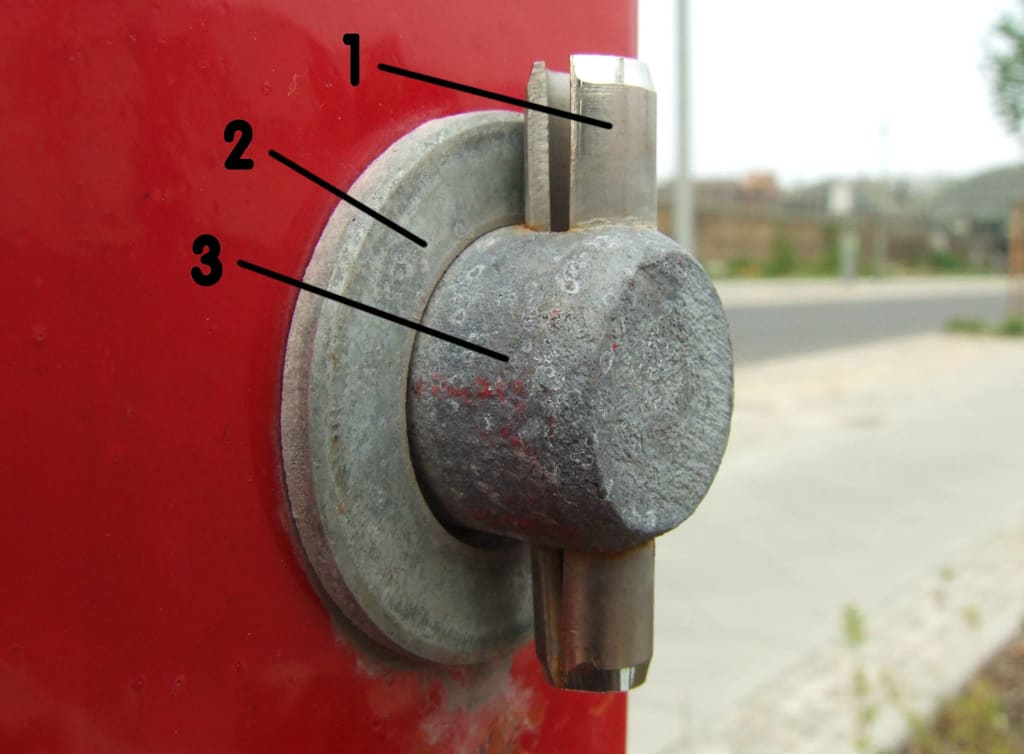
The aerospace industry operates under some of the most demanding engineering standards in the world. Every component used in an aircraft, spacecraft or defense platform must perform reliably under extreme conditions, including high vibration, temperature fluctuations, pressure changes and continuous mechanical stress.
In such environments, even the smallest fastening and alignment components play a critical role in ensuring operational safety and efficiency. Among these essential hardware elements the Spring Pin has become a trusted solution for maintaining secure assemblies and improving overall aerospace reliability.
The Importance of Reliable Assembly Components in Aerospace
Aircraft assemblies consist of thousands of interconnected parts that must work together seamlessly throughout their service life. Structural sections flight control systems landing gear mechanisms, engine components and avionics housings all depend on precise alignment and secure fastening. Any loosening shifting or misalignment can affect performance increase maintenance requirements and potentially compromise safety.
To prevent such issues aerospace manufacturers utilize specialized fastening solutions that can withstand harsh operating environments while maintaining consistent holding strength. Spring pins are among the most effective components for achieving these objectives due to their unique design and dependable mechanical properties.
Understanding Spring Pin Technology
A spring pin is a cylindrical mechanical fastener designed with a longitudinal slot or coiled construction that allows it to compress during installation and expand after placement. This expansion creates a constant radial force against the walls of the receiving hole ensuring a secure fit without requiring additional fastening hardware.
Unlike traditional solid pins, spring pins are engineered to accommodate slight variations in hole dimensions while maintaining consistent retention strength. This flexibility makes them highly suitable for aerospace assemblies where precision and durability are essential.
The self-retaining nature of spring pins reduces the likelihood of component movement and helps preserve alignment throughout prolonged operational cycles. Their ability to absorb vibration and mechanical shock further enhances their value in aerospace applications.
Enhancing Vibration Resistance in Aircraft Systems
One of the most significant challenges in aerospace engineering is managing vibration. Aircraft engines, aerodynamic forces, landing impacts and environmental conditions generate continuous vibration throughout the airframe. Fastening systems that cannot withstand these forces may gradually loosen over time.
Spring pins provide an effective solution because their constant outward pressure maintains a secure connection even when exposed to repeated vibration cycles. The elastic properties of the pin allow it to absorb and distribute stress rather than transferring it directly to surrounding components.
This capability helps maintain assembly integrity in critical aerospace systems, reducing the risk of hardware failure and minimizing maintenance requirements. As a result aerospace engineers frequently rely on spring pins for applications where long-term reliability is essential.
Supporting Accurate Alignment and Structural Stability
Precise alignment is fundamental to aerospace manufacturing. Components must fit together accurately to ensure optimal aerodynamic performance, structural strength and system functionality. Even minor alignment deviations can lead to uneven wear increased stress concentrations, and reduced operational efficiency.
Spring pins assist in maintaining exact positioning between assembled components. Their secure fit prevents unwanted movement while accommodating minor manufacturing tolerances. This balance between flexibility and retention helps preserve assembly accuracy throughout the operational life of the aircraft.
In structures where repeated loading and unloading occur, spring pins continue to maintain their holding force, supporting long-term dimensional stability and reducing the likelihood of component shifting.
Improving Durability Under Extreme Conditions
Aerospace environments expose components to extreme temperature variations, pressure fluctuations, and mechanical loads. Hardware used in these applications must retain its performance characteristics despite these challenging conditions. Spring pins are commonly manufactured from high-strength materials such as stainless steel, alloy steel and corrosion-resistant aerospace-grade metals.
These materials provide exceptional durability while resisting wear, fatigue and environmental degradation. The resilient design of spring pins allows them to maintain functionality even after repeated installation and removal cycles. This durability contributes to lower lifecycle costs and supports the rigorous maintenance schedules required in aerospace operations.
Reducing Weight Without Sacrificing Performance
Weight reduction remains a primary objective in aerospace design because lighter aircraft consume less fuel and deliver improved operational efficiency. Engineers continually seek components that provide maximum strength while minimizing overall weight.Spring pins offer an attractive solution because their design achieves excellent holding power without requiring excessive material.
Compared to some traditional fastening methods, spring pins can contribute to weight-saving initiatives while still meeting stringent performance requirements. Although small in size these components support broader aerospace goals related to efficiency sustainability and cost-effective operation.
Simplifying Maintenance and Assembly Processes
Maintenance efficiency is another important consideration in aerospace operations. Aircraft downtime can result in significant operational costs making rapid inspection and repair procedures highly valuable. Spring pins facilitate easier assembly and disassembly compared to more complex fastening systems.
Their straightforward installation process reduces labor requirements and helps maintenance personnel perform repairs more efficiently. Because spring pins maintain their retention characteristics over time they also reduce the frequency of hardware replacement. This reliability supports improved fleet availability and lower maintenance expenditures.
Applications of Spring Pins in Aerospace Systems
Spring pins are utilized across a wide range of aerospace applications. They are commonly found in flight control assemblies, actuator systems, landing gear mechanisms, engine accessories, avionics equipment, structural airframe components and interior cabin systems. Their ability to provide secure alignment.
And reliable retention makes them suitable for both primary and secondary aerospace assemblies. As aerospace technology continues to advance the demand for lightweight, durable and high-performance fastening solutions is expected to grow. Spring pins remain a valuable component in meeting these evolving engineering requirements.
Final thought
Aerospace assembly reliability depends on the performance of every component regardless of size. Spring pins play a crucial role in maintaining structural integrity resisting vibration, supporting accurate alignment and ensuring long-term durability in demanding aerospace environments. Their combination of flexibility, strength and ease of installation makes them an indispensable fastening solution for modern aircraft and defense systems.
As manufacturers continue to prioritize safety, efficiency and operational reliability, spring pins will remain an essential element in aerospace engineering. By delivering dependable performance under challenging conditions, these components help support the high standards required throughout the aerospace industry.
About the Creator
Enjoyed the story? Support the Creator.
Subscribe for free to receive all their stories in your feed.
Comments
There are no comments for this story
Be the first to respond and start the conversation.