
How Screw Nut Components Support Aerospace Assemblies
Understanding the Critical Role of Precision Fastening Solutions in Modern Aircraft Structures
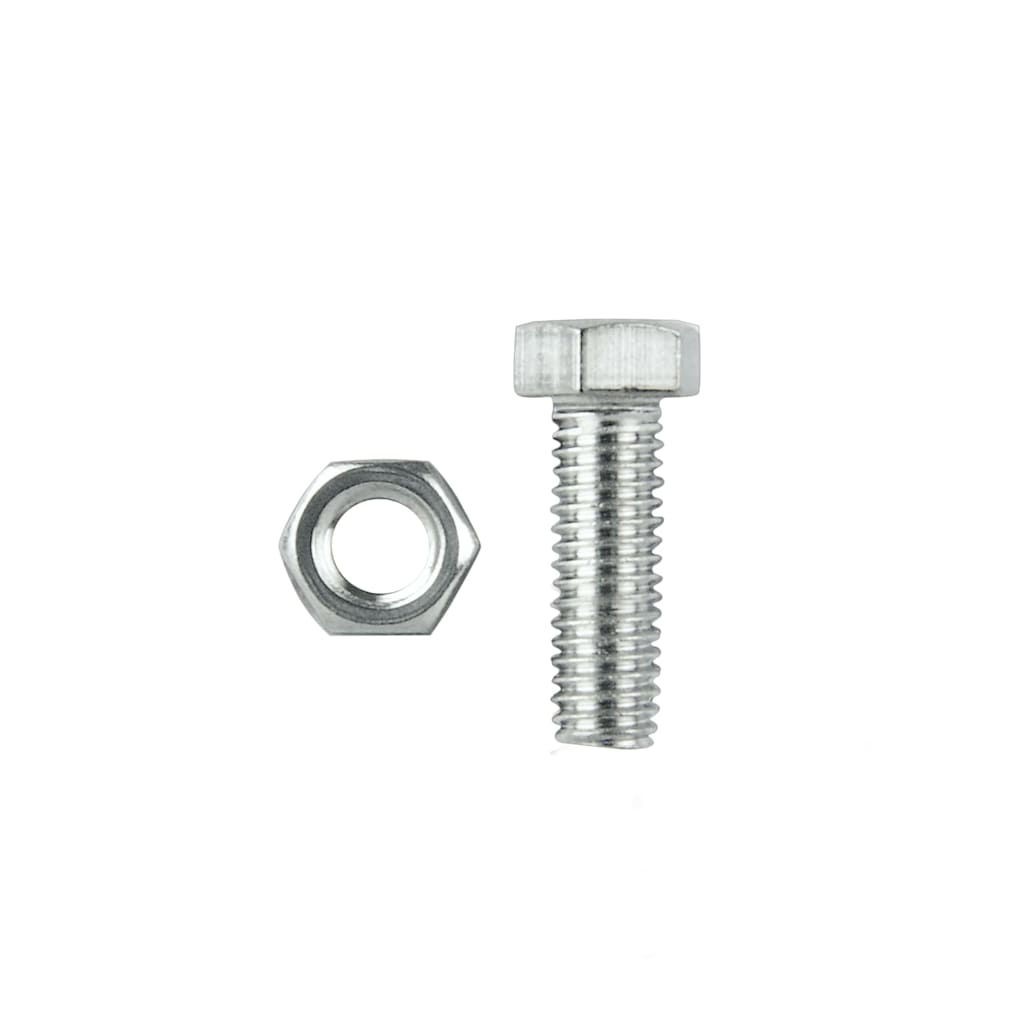
The aerospace industry operates under some of the most demanding engineering standards in the world. Every component installed within an aircraft must perform reliably under extreme temperatures vibration pressure changes and continuous operational stress. Among the many parts that contribute to aircraft safety and efficiency.
Fastening hardware plays a foundational role. Screw nut components are essential mechanical elements that help secure critical aerospace assemblies ensuring structural integrity operational stability and long term reliability. From commercial airliners and military aircraft to helicopters and spacecraft properly engineered fastening systems are necessary for maintaining the performance.
Of complex assemblies. These components may appear small compared to engines or airframes but their contribution to aerospace reliability is significant. Understanding how these fastening solutions support aircraft systems highlights their importance in modern aviation engineering.
The Importance of Fasteners in Aerospace Engineering
Aircraft are constructed from thousands of interconnected components that must remain securely attached throughout their service life. Fasteners create dependable joints between structural sections panels brackets electronic systems hydraulic assemblies and engine components.
Unlike many industrial applications aerospace assemblies face constant exposure to dynamic loads and environmental challenges. During takeoff cruising, landing and maintenance cycles components experience repeated stress that can compromise poorly designed connections.
Aerospace grade fasteners are specifically engineered to withstand these demanding conditions while maintaining structural integrity. The effectiveness of an aircraft assembly often depends on the reliability of the fastening system that holds it together. This makes precision-manufactured fastening hardware a critical element in aerospace design and maintenance.
How Screw Nut Components Create Secure Connections
A Screw Nut assembly functions by creating a strong mechanical connection between multiple parts. The threaded interaction between the screw and nut generates clamping force that keeps components securely joined even when subjected to vibration and movement. In aerospace applications these connections are carefully designed to distribute loads evenly across structural sections.
Engineers select specific thread configurations, materials, and locking mechanisms to prevent loosening during operation. This secure fastening capability helps maintain alignment reduces wear and supports the overall performance of aircraft systems. The reliability of threaded fastening systems is particularly important because even minor movement between connected parts can lead to fatigue, structural damage, or maintenance concerns over time.
Supporting Aircraft Structural Assemblies
One of the primary applications of screw nut components is within aircraft structural assemblies. Modern airframes consist of numerous interconnected sections that must function as a single unified structure. Fasteners help secure fuselage panels wing assemblies access covers support brackets and internal framework components. These connections must maintain strength while accommodating the stresses generated during flight operations.
Aerospace engineers often use specialized fastening solutions that combine high-strength materials with lightweight designs. This approach helps reduce overall aircraft weight while preserving structural performance. Every pound saved contributes to improved fuel efficiency and operational effectiveness. By maintaining secure structural connections screw nut assemblies contribute directly to aircraft safety and airworthiness.
Enhancing Vibration Resistance
Aircraft operate in environments where vibration is unavoidable. Engines aerodynamic forces, landing gear operations and onboard systems continuously generate movement throughout the aircraft structure. Without proper fastening solutions, vibration can gradually loosen connections and compromise assembly integrity. Aerospace screw nut systems often incorporate.
Advanced locking features that help resist rotational movement and maintain clamping force. These vibration resistant characteristics are especially important in engine compartments, avionics installations and high-load structural areas. Reliable fastening reduces maintenance requirements and helps ensure consistent performance throughout the aircraft's operational life.
Supporting Aerospace Engine Systems
Aircraft engines contain numerous assemblies that rely on secure fastening solutions. Components within propulsion systems are subjected to extreme temperatures, pressure fluctuations and rotational forces. Fastening hardware used in engine environments must deliver exceptional strength and thermal stability.
Precision-manufactured screw nut assemblies help secure engine housings mounting brackets, accessory systems and support structures. Because engine performance directly impacts aircraft safety and efficiency every fastening component must meet rigorous aerospace standards. Reliable fastening solutions help maintain alignment reduce component movement and support overall engine reliability.
Material Selection for Aerospace Applications
Material selection plays a vital role in aerospace fastener performance. Engineers choose materials based on strength requirements environmental conditions, corrosion resistance and weight considerations. Common aerospace fastening materials include stainless steel titanium alloys nickel based alloys and other high performance metals.
These materials provide the durability necessary to withstand challenging operating environments while minimizing weight. Titanium in particular is widely valued because it offers an excellent balance of strength corrosion resistance and lightweight performance. The use of advanced materials ensures that screw nut components can perform consistently throughout extended service intervals.
Meeting Aerospace Quality and Safety Standards
The aerospace sector demands strict adherence to quality standards. Every fastener installed within an aircraft must satisfy precise manufacturing, testing, and certification requirements. Manufacturers conduct extensive inspections to verify dimensional accuracy, material integrity and mechanical performance. Traceability and documentation are also essential.
Allowing maintenance teams and regulatory agencies to verify component compliance throughout the supply chain. This commitment to quality supports the aerospace industry's broader focus on safety, reliability and regulatory compliance. Properly certified fastening components help ensure that aircraft assemblies continue performing as intended under operational conditions.
The Role of Fasteners in Maintenance and Repair Operations
Maintenance professionals frequently rely on aerospace fasteners during inspection, repair, and overhaul procedures. The ability to remove and reinstall components efficiently is essential for minimizing aircraft downtime. Threaded fastening systems provide accessibility while maintaining structural reliability.
This balance allows technicians to service critical systems without compromising assembly performance. As aircraft fleets continue operating for extended periods dependable fastening solutions remain essential for supporting maintenance activities and preserving long term airworthiness.
Final thought
Screw nut components serve as fundamental building blocks within aerospace assemblies. Their ability to create secure vibration-resistant and durable connections supports everything from structural airframe sections to advanced propulsion systems. Although these components are often small compared to larger aircraft systems their contribution to safety, reliability and performance is substantial.
As aerospace technology continues to evolve, the demand for precision-engineered fastening solutions will remain strong. Through advanced materials, rigorous quality standards and innovative designs screw nut assemblies help ensure that modern aircraft meet the industry's highest expectations for reliability and operational excellence.
About the Creator
Enjoyed the story? Support the Creator.
Subscribe for free to receive all their stories in your feed.
Comments
There are no comments for this story
Be the first to respond and start the conversation.