
How Manufacturers Ensure Consistency in High-Performance Components
The Role of Quality Control and Innovation
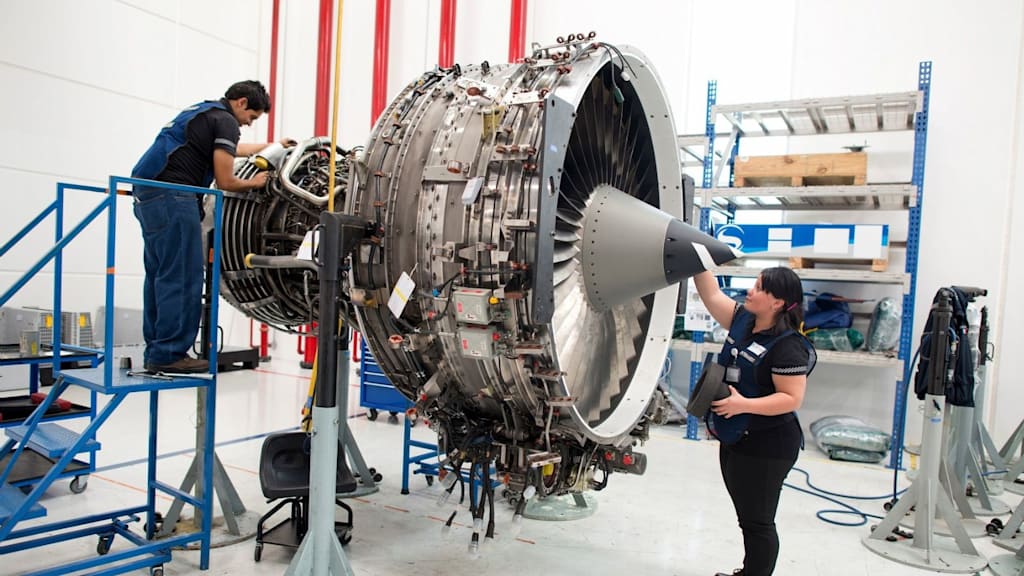
In today's highly competitive industrial landscape, manufacturers play a critical role in delivering high-performance components that meet strict quality, durability and reliability standards. Industries such as aerospace automotive defense electronics and industrial machinery depend on precision-engineered parts that perform consistently under demanding conditions.
Even the smallest variation in a component can lead to performance issues operational failures, or increased maintenance cost.To maintain consistency manufacturers rely on advanced production processes rigorous testing procedures quality management systems and continuous innovation.
Companies across the global manufacturing sector including industry leaders such as basf se demonstrate how maintaining strict quality standards helps ensure reliable products that meet customer expectations. Understanding how manufacturers achieve consistency provides valuable insight into the foundation of modern industrial success.
Why Consistency Matters in High-Performance Components
Consistency is one of the most important factors in manufacturing high-performance components. Customers expect every part to function exactly as intended regardless of when or where it was produced. Whether it is an aircraft engine component, an electronic circuit board or a precision-machined industrial part performance reliability depends on maintaining uniform specifications.
Consistent manufacturing helps reduce product failures, improve operational efficiency and strengthen customer trust. It also supports compliance with industry regulations and international standards. Manufacturers that prioritize consistency are better positioned to maintain long-term business relationships and build a reputation for excellence.
Advanced Material Selection and Control
The journey toward manufacturing consistency begins with raw materials. High-performance components require materials that meet strict specifications for strength durability thermal resistance and dimensional stability. Manufacturers carefully evaluate suppliers and establish detailed material requirements to ensure every batch meets the same quality standards.
Material testing is conducted throughout the supply chain to verify composition purity and performance characteristics. By controlling material quality at the source manufacturers reduce variability and create a stable foundation for consistent production outcomes.
Modern manufacturers also utilize advanced tracking systems that monitor material usage from procurement to final assembly. This level of traceability helps identify potential issues quickly and supports continuous quality improvement.
Precision Manufacturing Processes
Consistency depends heavily on the accuracy of manufacturing processes. Advanced machinery, computer numerical control (CNC) systems robotics and automated production lines allow manufacturers to achieve precise tolerances and repeatable results.
Automation minimizes human error while ensuring that each component is produced according to exact design specifications. Sophisticated monitoring systems continuously measure production variables such as temperature pressure speed and alignment to maintain optimal operating conditions.
Manufacturers regularly calibrate equipment to ensure that production standards remain consistent over time. Routine maintenance programs further support equipment reliability and help prevent unexpected variations in product quality.
Quality Management Systems and Standardization
One of the most effective ways manufacturers ensure consistency is through structured quality management systems. International standards such as ISO certifications provide frameworks for maintaining process control documentation and continuous improvement.
Standard operating procedures establish clear guidelines for every stage of production. Employees receive specialized training to ensure that manufacturing activities are performed consistently and accurately.
Detailed documentation helps maintain process uniformity across multiple production facilities and shifts.By implementing standardized workflows manufacturers can reduce variability and ensure that every component meets the same performance requirements regardless of production volume.
Rigorous Testing and Inspection
Testing and inspection are essential elements of manufacturing consistency. High-performance components undergo extensive evaluation throughout the production process to verify quality and functionality.
Manufacturers use advanced inspection technologies including coordinate measuring machines laser scanning systems ultrasonic testing and automated vision inspection equipment. These tools help identify defects dimensional deviations and material inconsistencies before products reach customers.
In addition to in-process inspections final product testing validates performance under real-world operating conditions. Components may be subjected to stress testing environmental simulations vibration analysis and durability assessments to confirm reliability and compliance with specification.This comprehensive approach ensures that only components meeting strict quality requirements move forward to distribution.
Data Analytics and Continuous Improvement
Modern manufacturing increasingly relies on data-driven decision-making. Sensors embedded within production equipment collect real-time information about machine performance process stability and product quality.
Manufacturers analyze this data to identify trends detect anomalies, and optimize production efficiency. Predictive maintenance systems use advanced analytics to anticipate equipment issues before they impact quality outcomes.
Continuous improvement initiatives help organizations refine processes reduce waste and enhance consistency over time. By leveraging manufacturing intelligence and performance metrics companies can maintain exceptionally high standards while adapting to evolving industry demands.
Skilled Workforce and Technical Expertise
While automation has transformed manufacturing skilled professionals remain essential to ensuring consistency. Engineers quality specialists production managers and technicians contribute expertise that supports process optimization and problem-solving manufacturers invest heavily in workforce development through ongoing training programs and technical certifications.
Employees learn to operate sophisticated equipment interpret quality data and implement best practices that support consistent production results.A knowledgeable workforce strengthens operational reliability and enables manufacturers to respond effectively to complex manufacturing challenges.
Supply Chain Collaboration and Traceability
Consistency extends beyond the factory floor. Manufacturers collaborate closely with suppliers, logistics providers, and quality partners to maintain standards throughout the supply chain. Advanced traceability systems allow organizations to track components from raw material sourcing to final delivery.
This visibility improves accountability and helps manufacturers quickly address potential quality concerns. Strong supplier relationships and comprehensive auditing programs further enhance consistency by ensuring that every contributor to the production process adheres to established quality requirements.
Final thought
Manufacturers ensure consistency in high-performance components through a combination of advanced technology precision engineering rigorous quality control skilled expertise and continuous improvement. From material selection and automated production to comprehensive testing and supply chain management every stage of the manufacturing process contributes to reliable and repeatable results.
As industries continue to demand greater performance efficiency and reliability manufacturers must maintain strict standards that support product excellence. Organizations that prioritize consistency not only meet customer expectations.
But also strengthen their competitive position in the global marketplace. By embracing innovation and quality-focused strategies manufacturers continue to deliver high-performance components that drive progress across modern industries.
About the Creator
Enjoyed the story? Support the Creator.
Subscribe for free to receive all their stories in your feed.
Comments
There are no comments for this story
Be the first to respond and start the conversation.