
How IT Hardware Components Power Computers and Business Infrastructure
Exploring the Critical Role of Physical Technology in Modern Computing Systems

In today’s digital-driven world businesses and individuals rely heavily on computers and IT systems to perform daily operations manage data and support communication. Behind every software application cloud service and digital platform lies a foundation of physical components that make computing possible.
IT hardware components serve as the backbone of computer systems and business infrastructure enabling organizations to process data run applications and maintain operational efficiency.Understanding how these components work together
Is essential for businesses that want to build reliable scalable and high performing IT environments. From small office systems to large enterprise data centers hardware infrastructure plays a crucial role in powering modern computing systems and supporting long-term digital growth.
The Core Components of IT Hardware Systems
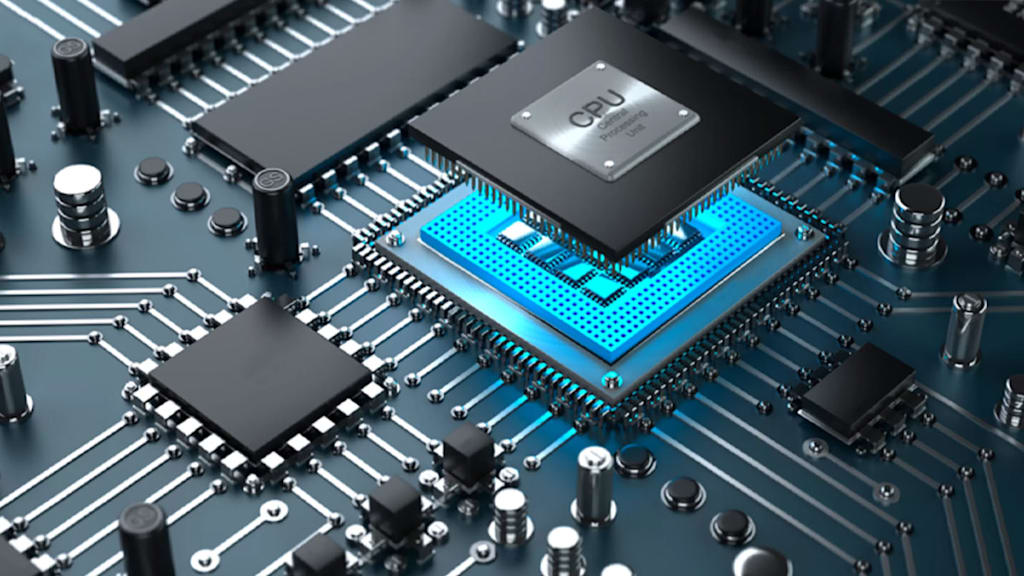
Every computer system is built on a combination of essential hardware components that work together to execute tasks and process information. The central processing unit commonly known as the CPU acts as the brain of the computer.
It performs calculations, processes instructions and manages system operations. Without a powerful CPU a computer cannot handle complex workloads or run demanding applications efficiently.Memory or RAM is another critical component that allows systems to store and access data temporarily while applications are running.
Faster and larger memory capacity enables computers to perform multiple tasks simultaneously without slowing down. Storage devices such as solid-state drives and hard disk drives, provide long-term data storage and ensure that files applications and operating systems are accessible when needed.
Motherboards connect all components within a computer system enabling communication between the CPU memory storage and peripheral devices. Power supply units ensure that each component receives the necessary electrical energy to function properly. Together these components create a fully operational computing system capable of supporting various business and personal applications.
Supporting Business Infrastructure Through Hardware
IT hardware components are not limited to individual computers. They also play a vital role in building and maintaining business infrastructure. Organizations rely on servers networking equipment and data storage systems to manage operations, support employees and deliver services to customers.
Servers are designed to handle large workloads and provide centralized computing resources for businesses. They host applications manage databases and support cloud-based services. High performance servers allow organizations to process large volumes of data and maintain consistent system performance.
Networking hardware including routers and switches enables communication between devices within an organization and across external networks. These systems ensure that data flows efficiently between users applications and servers. Reliable networking infrastructure is essential for maintaining productivity and supporting remote work environments.
Storage systems in business infrastructure are designed to handle large scale data management. Organizations generate massive amounts of data daily and reliable storage solutions ensure that this information is securely stored and easily accessible. Advanced storage technologies also provide backup and recovery capabilities protecting businesses from data loss.
The Importance of Hardware Reliability and Performance
Reliable hardware is essential for maintaining system stability and minimizing downtime. Businesses depend on continuous system availability to support operations, customer interactions, and internal processes. Hardware failures can lead to data loss service interruptions and financial losses.
High-quality IT components are designed to operate under heavy workloads and maintain consistent performance over time. Investing in reliable hardware reduces the risk of unexpected failures and ensures that systems can handle increasing demands. Regular maintenance and monitoring also help extend the lifespan of hardware components and improve overall system efficiency.
Performance is another critical factor. Fast processors high-speed memory and efficient storage systems enable businesses to process data quickly and respond to user demands effectively. Organizations that prioritize hardware performance can deliver better user experiences and maintain a competitive edge in the digital marketplace.
Scalability and Future Growth
As businesses grow their IT infrastructure must be able to scale to meet increasing demands. Scalable hardware solutions allow organizations to expand their systems without completely replacing existing infrastructure. This flexibility is essential for supporting long-term growth and adapting to changing business needs.
Modular servers expandable storage systems and flexible networking solutions enable businesses to upgrade their infrastructure gradually. This approach reduces costs and ensures that systems remain compatible with future technologies. Scalable hardware parts infrastructure supports innovation and allows organizations to adopt new tools and applications as they evolve.
Security and Data Protection in Hardware Systems
Security is a major concern for modern businesses, and hardware components play a key role in protecting sensitive data. Secure hardware systems include features such as encryption support access control mechanisms and secure boot processes. These features help prevent unauthorized access and protect critical information.
Physical security is also important. Data centers and IT facilities use controlled access systems surveillance and secure enclosures to protect hardware equipment from theft or damage. Combining hardware-based security with software protections creates a comprehensive approach to safeguarding business data.
Organizations must also ensure that hardware components are sourced from reliable suppliers to avoid counterfeit products that could compromise system security and performance.
The Role of Hardware in Digital Transformation
Digital transformation is reshaping how businesses operate, and IT hardware components are at the center of this evolution. Technologies such as cloud computing artificial intelligence and big data analytics rely on powerful hardware infrastructure to function effectively.
Modern businesses depend on advanced hardware systems to support these technologies and deliver innovative solutions. Whether it is processing large datasets running machine learning algorithms or hosting cloud based applications hardware infrastructure enables organizations to achieve their digital transformation goals.
The integration of various hardware parts within a unified system ensures that all components work together seamlessly. This integration allows businesses to optimize performance improve efficiency and deliver reliable services to customers.
Final Thought
IT hardware components are the foundation of modern computing systems and business infrastructure. From individual computers to large scale enterprise networks hardware plays a critical role in powering digital operations and supporting organizational growth.
By investing in high-quality hardware, ensuring proper system maintenance, and planning for scalability businesses can build reliable and efficient IT environments. Strong hardware infrastructure not only improves performance but also enhances security reduces downtime and supports long-term success.
As technology continues to evolve the importance of robust IT hardware will only increase. Organizations that understand and prioritize the role of hardware components will be better equipped to navigate the challenges of the digital age and maintain a competitive advantage in an increasingly technology-driven world.
About the Creator
Beckett Dowhan
Where aviation standards meet real-world sourcing NSN components, FSG/FSC systems, and aerospace-grade fasteners explained clearly.
Enjoyed the story? Support the Creator.
Subscribe for free to receive all their stories in your feed.
Comments
There are no comments for this story
Be the first to respond and start the conversation.