
How Hexagon Nuts Ensure Secure Fastening in Aerospace Systems
Understanding the Critical Role of Hexagon Nuts in Aircraft Safety, Structural Integrity and High-Performance Aerospace Applications
The aerospace industry operates in one of the most demanding engineering environments in the world. Every component installed on an aircraft spacecraft or defense platform must withstand extreme temperatures continuous vibration pressure fluctuations, and heavy mechanical loads while maintaining flawless performance. In such conditions even the smallest fastening component can significantly impact operational safety and reliability.
Among the most widely used fastening elements in aerospace engineering are Hexagon Nuts which play a crucial role in securing assemblies and maintaining structural integrity. From commercial airliners and military aircraft to helicopters and space exploration vehicles hexagon nuts are utilized in thousands of critical applications.
Their simple yet highly effective design allows engineers to create strong, durable and serviceable connections that can withstand the harsh demands of aerospace operations. Understanding how these fasteners contribute to secure fastening helps highlight their importance in ensuring aircraft safety and long-term performance.
The Importance of Reliable Fastening in Aerospace Systems
Aircraft are subjected to continuous stress throughout their operational life. During takeoff, flight, turbulence, landing and maintenance cycles, structural components experience varying loads that can gradually loosen or weaken poorly designed fastening systems.
A reliable fastening solution must provide consistent clamping force while resisting vibration, thermal expansion, corrosion, and fatigue. Aerospace engineers rely on carefully selected fastening hardware to maintain secure connections between structural panels, engines, landing gear assemblies, hydraulic systems, avionics equipment and countless other critical components.
Hexagon nuts have become a preferred fastening solution because they offer exceptional strength compatibility with threaded bolts and ease of installation and inspection. Their ability to maintain secure joints under demanding conditions makes them indispensable throughout aerospace systems.
Understanding the Design of Hexagon Nuts
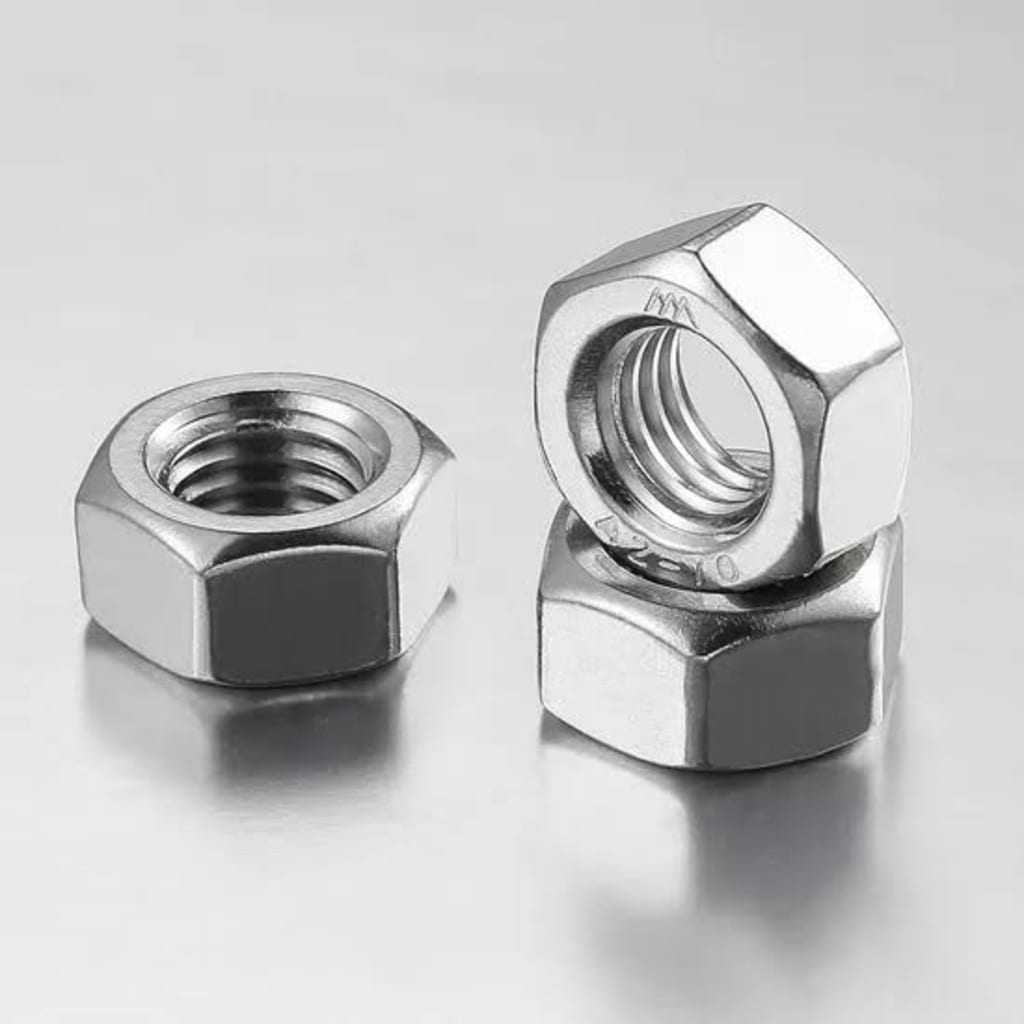
The defining feature of a hexagon nut is its six-sided exterior shape. This geometry allows tools such as wrenches and sockets to engage the nut effectively enabling technicians to apply precise torque during installation.The six-flat design distributes force evenly across the fastener while minimizing the risk of slippage during tightening. This configuration also provides multiple gripping points making installation and removal easier in confined aircraft spaces.
Where maintenance access may be limited.Internally threaded to match corresponding bolts or studs hexagon nuts create a strong mechanical connection that generates clamping force when tightened. This clamping force is essential because it prevents movement between connected components and helps distribute operational loads evenly across the assembly.
Resistance to Vibration and Dynamic Loads
One of the greatest challenges in aerospace engineering is managing vibration. Aircraft engines, aerodynamic forces, and operational movements generate continuous vibrations that can gradually loosen inadequately secured fasteners.Hexagon nuts contribute to vibration resistance by maintaining consistent preload when properly installed.
Aerospace-grade nuts are often paired with locking mechanisms lock washers, cotter pins, self locking inserts or prevailing torque designs to further enhance resistance against loosening.Maintaining proper preload is essential because it ensures that connected components remain firmly clamped together.
A secure joint minimizes movement, reduces wear and prevents fatigue related failures that could compromise aircraft performance or safety. As a result hexagon nuts help engineers create fastening systems capable of enduring millions of vibration cycles throughout an aircraft's service life.
Supporting Structural Integrity in Aircraft Assemblies
Aircraft structures consist of numerous interconnected components that must function as a unified system. Wings, fuselage sections engine mounts, control surfaces and landing gear assemblies all rely on secure mechanical connections.Hexagon nuts play a vital role in preserving structural integrity by maintaining the strength of bolted joints.
When paired with aerospace-grade bolts they create reliable connections capable of transferring loads efficiently between structural members.This load distribution capability is particularly important in high stress areas where aerodynamic forces and operational loads continuously act on the airframe.
Properly installed fasteners prevent localized stress concentrations that could otherwise lead to cracking deformation, or premature component failure.By ensuring stable and secure connections, hexagon nuts contribute directly to the durability and longevity of aerospace structures.
Material Selection for Aerospace Applications
Material selection is a critical consideration in aerospace fastening systems. Standard industrial fasteners are often unsuitable for aerospace environments due to weight restrictions, corrosion concerns and performance requirements.Aerospace hexagon nuts are commonly manufactured from high strength materials such as stainless steel alloy steel, titanium, and nickel based alloys.
These materials provide exceptional mechanical strength while resisting corrosion and temperature-related degradation.Titanium fasteners are particularly valued because they offer an excellent strength-to-weight ratio helping manufacturers reduce aircraft weight without sacrificing performance.
Stainless steel and specialized aerospace alloys are frequently used in applications requiring superior corrosion resistance and long term durability.The careful selection of materials ensures that hexagon nuts maintain their fastening capabilities even under the most demanding operating conditions.
Enhancing Maintenance and Inspection Efficiency
Aircraft maintenance programs require regular inspections to verify the condition of critical components and fastening systems. The straightforward design of hexagon nuts simplifies both installation and inspection procedures. Maintenance technicians can quickly assess fastening conditions using standard aerospace tools and torque verification equipment.
The visible geometry of the nut also makes it easier to identify signs of loosening, damage or wear during routine inspections.This ease of maintenance helps reduce downtime while supporting regulatory compliance and operational safety. In an industry where reliability is paramount the serviceability of fastening components remains a significant advantage.
The Role of Quality Standards and Traceability
Every aerospace fastener must meet strict quality and traceability requirements. Manufacturers follow rigorous standards to ensure consistency in dimensions, material composition mechanical properties and performance characteristics. Hexagon nuts used in aerospace applications undergo extensive testing and quality control procedures to verify their ability to withstand demanding service conditions.
Traceability systems allow organizations to track components throughout the supply chain ensuring compliance with industry regulations and supporting maintenance documentation requirements. These stringent quality measures help aerospace operators maintain confidence in the reliability and performance of their fastening systems.
Final thought
Secure fastening is fundamental to aerospace safety, reliability, and performance. Among the many fastening solutions available, hexagon nuts continue to serve as one of the most trusted and widely used components in aircraft and aerospace systems. Their robust design ability to maintain clamping force, resistance to vibration compatibility with high strength materials, and ease of maintenance make them essential for critical aerospace applications.
As aerospace technology continues to evolve, the demand for durable and dependable fastening solutions will remain strong. By providing secure mechanical connections that support structural integrity and operational safety hexagon nuts will continue to play a vital role in the success of modern aerospace engineering and aircraft performance.
About the Creator
Enjoyed the story? Support the Creator.
Subscribe for free to receive all their stories in your feed.
Comments
There are no comments for this story
Be the first to respond and start the conversation.