
How Compression Springs Support Aircraft Performance
Aerospace Applications of Compression Springs
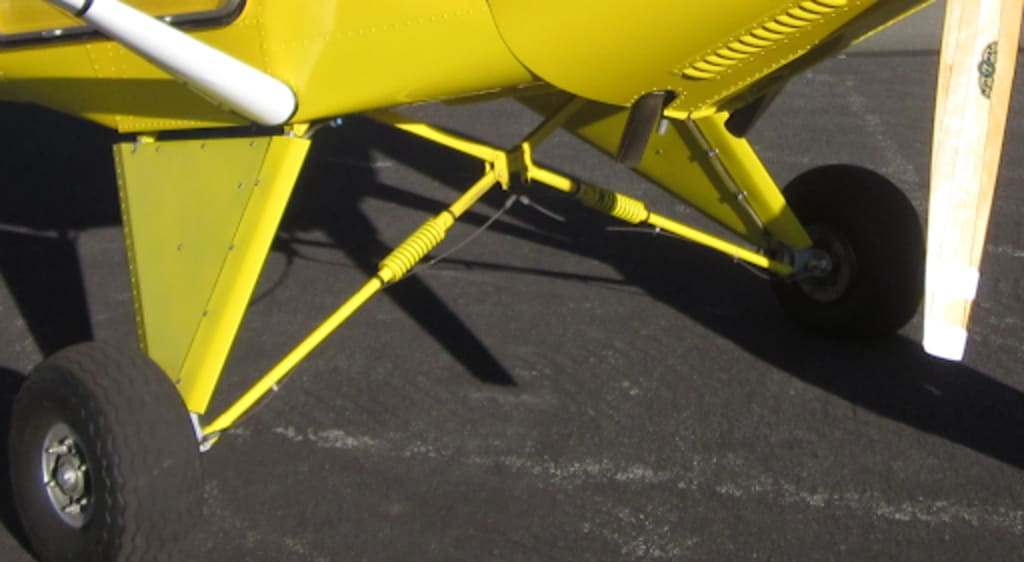
The aviation industry depends on thousands of precision-engineered components working together to ensure safe efficient, and reliable flight operations. Among these essential components Compression Springs play a significant role in supporting aircraft performance.Although small in size these mechanical devices contribute to the functionality of various aircraft systems.
Helping maintain stability safety and operational efficiency throughout every stage of flight.Aircraft operate under extreme conditions, including rapid pressure changes intense vibrations fluctuating temperatures and heavy mechanical loads. To withstand these challenges aerospace manufacturers rely on high-quality springs.
That can consistently deliver force absorb shock, and maintain structural integrity. Compression springs are specifically designed to resist compressive forces and return to their original shape after being compressed making them ideal for numerous aviation applications.
Understanding Compression Springs in Aerospace Applications
Compression springs are open-coil helical springs engineered to store mechanical energy when compressed. As pressure is applied the spring shortens and generates resistance. Once the force is removed the spring returns to its original length releasing the stored energy. This simple yet highly effective mechanism makes compression springs valuable in many aircraft systems.
In aerospace environments these springs are manufactured from durable materials such as stainless steel Inconel titanium alloys and other high-performance metals. These materials provide excellent resistance to corrosion fatigue and extreme temperatures ensuring long-term reliability in demanding flight conditions.
Enhancing Aircraft Safety and Reliability
Safety remains the highest priority in aviation. Every aircraft component must perform consistently throughout thousands of flight cycles. Compression springs contribute significantly to operational safety by maintaining proper force and movement within critical systems.
Many aircraft control mechanisms rely on spring-loaded assemblies to ensure smooth operation. Springs help maintain tension support actuator functions and provide controlled movement in various mechanical systems. Their ability to absorb shock and vibration reduces wear on surrounding components extending system life and improving reliability.
In emergency situations spring-operated mechanisms can support backup systems and safety devices that require immediate mechanical response. This dependable performance makes compression springs an important part of overall aircraft safety engineering.
Supporting Landing Gear Performance
One of the most demanding areas of an aircraft is the landing gear system. During takeoff and landing, aircraft experience significant impact forces that must be managed effectively to protect the airframe and passengers.
Compression springs help absorb and distribute these loads, minimizing stress on structural components. By cushioning mechanical movement and reducing shock transmission, springs contribute to smoother landings and improved durability of landing gear assemblies.
The ability of compression springs to repeatedly compress and recover without permanent deformation is particularly valuable in landing systems that experience continuous operational cycles throughout the aircraft's service life.
Reducing Vibration and Mechanical Stress
Aircraft engines, turbines, and onboard systems generate continuous vibration during operation. Excessive vibration can lead to component fatigue reduced efficiency and increased maintenance requirements.
Compression springs help control vibration by acting as energy-absorbing elements within mechanical assemblies. They dampen unwanted movement and reduce the transfer of stress between interconnected components. This vibration management improves system stability and supports the long-term performance of critical aerospace equipment.
By minimizing mechanical stress, springs also help reduce maintenance costs and improve aircraft availability which is a key objective for commercial airlines and military operators alike.
Improving Performance in Aircraft Seating and Cabin Systems
Passenger comfort is another important aspect of aircraft design. Compression springs are commonly integrated into seating systems, overhead compartments latching mechanisms and other cabin equipment.
These springs provide controlled movement, improve ergonomics, and ensure smooth operation of mechanical components. Their ability to deliver consistent force contributes to reliable functionality throughout repeated use enhancing the overall passenger experience while maintaining safety standards.
Even though these applications may appear less critical than flight control systems, their reliability directly impacts operational efficiency and customer satisfaction.
Meeting Strict Aerospace Manufacturing Standards
The aerospace industry follows some of the most rigorous manufacturing and quality requirements in the world. Every component including compression springs must meet strict specifications regarding material composition dimensional accuracy load capacity and fatigue resistance.
Manufacturers conduct extensive testing to verify spring performance under simulated flight conditions. These evaluations often include load testing, cycle testing, temperature exposure analysis and corrosion resistance assessments. Such quality assurance measures ensure that compression springs can perform reliably throughout their intended service life.
Compliance with aerospace standards helps maintain consistency across aircraft platforms and supports the industry's commitment to safety and operational excellence.
The Future of Compression Springs in Aviation
As aerospace technology continues to evolve the demand for advanced spring solutions is growing. Modern aircraft designs focus on reducing weight improving fuel efficiency and increasing system reliability. To meet these objectives manufacturers are developing innovative spring materials and precision-engineering techniques that deliver superior performance while minimizing weight.
Advancements in aerospace manufacturing including computer aided design advanced metallurgy and precision forming technologies are enabling the production of springs that can withstand even more demanding operational environments. These innovations will continue to support the next generation of commercial military and space aviation systems.
Final thought
Compression springs may be small components, but their contribution to aircraft performance is substantial. From landing gear systems and vibration control mechanisms to safety devices and cabin equipment these precision engineered springs help ensure reliable operation across a wide range of aerospace applications.
Their ability to absorb energy manage mechanical loads, reduce vibration and maintain consistent force makes them indispensable in modern aviation. As aircraft technology advances, compression springs will remain a critical element in enhancing safety, efficiency, and overall aerospace performance.
About the Creator
Enjoyed the story? Support the Creator.
Subscribe for free to receive all their stories in your feed.
Comments
There are no comments for this story
Be the first to respond and start the conversation.