
How Aviation Electronics Improve Aircraft Safety and Performance
The Critical Role of Avionics Systems in Enhancing Flight Efficiency and Operational Reliability

The aviation industry has witnessed remarkable advancements over the past few decades and one of the most transformative developments has been the integration of aviation electronics also known as avionics. These sophisticated electronic systems are responsible for managing.
Communication navigation monitoring and control functions within an aircraft. As modern aviation becomes increasingly complex the importance of reliable and high performance avionics systems continues to grow.
Aviation electronics play a central role in ensuring that aircraft operate safely efficiently and accurately across all phases of flight. From takeoff and cruising to landing these systems provide real time data and automation that assist pilots in making informed decisions. The reliability of these systems directly impacts flight safety operational efficiency and overall aircraft performance.
Understanding Aviation Electronics and Their Functions
Aviation electronics encompass a wide range of systems that support the operation of an aircraft. These include communication systems navigation instruments flight control systems radar and monitoring equipment. Each system is designed to perform specific tasks.
That contribute to the overall functionality of the aircraft.Communication systems enable pilots to stay connected with air traffic control ensuring safe coordination during flight operations. Navigation systems provide accurate positioning data.
Allowing aircraft to follow precise flight paths. Monitoring systems continuously track engine performance fuel levels and environmental conditions ensuring that any irregularities are detected early.
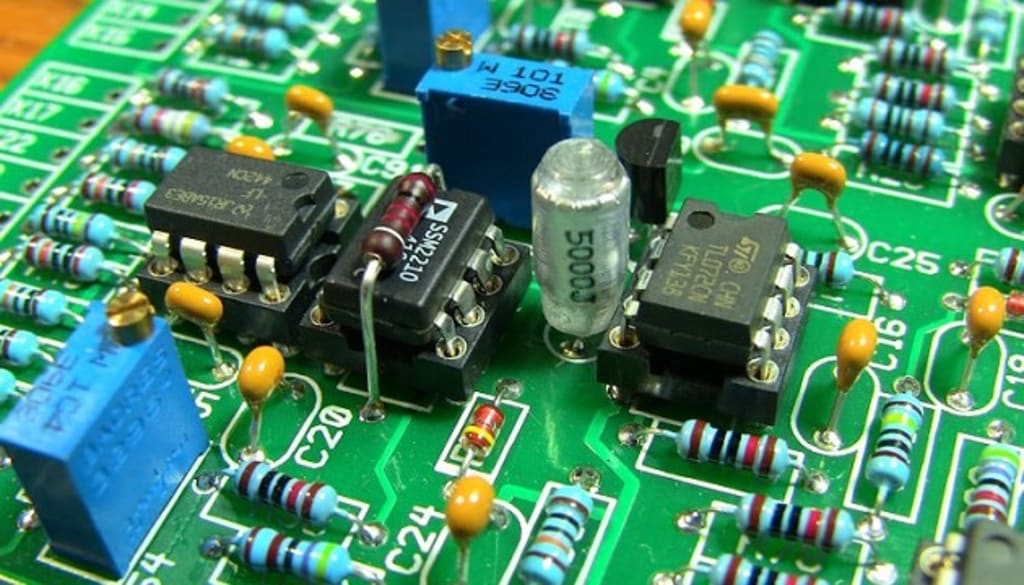
These systems rely on high quality Electronic Parts that ensure accurate data processing and seamless integration across different aircraft systems. The performance of avionics systems depends heavily on the reliability of these underlying components.
Enhancing Flight Safety Through Real Time Data
One of the most important contributions of aviation electronics is the ability to provide real time data to pilots and flight systems. Modern aircraft are equipped with advanced sensors and monitoring tools that continuously collect information about altitude speed weather conditions and system performance.
This data is displayed through digital cockpit interfaces allowing pilots to make informed decisions quickly and accurately. In critical situations such as adverse weather or system malfunctions real time data can make the difference between a safe outcome and a potential risk.
Advanced warning systems also play a key role in enhancing safety by alerting pilots to potential hazards such as terrain proximity or system failures. These systems help prevent accidents and improve overall situational awareness during flight operations.
Improving Aircraft Performance and Efficiency
Aviation electronics significantly contribute to improving aircraft performance by optimizing various operational parameters. Flight management systems use data to calculate the most efficient flight routes taking into account factors such as weather fuel consumption and air traffic conditions.
By optimizing flight paths these systems help reduce fuel usage minimize delays and improve overall efficiency. Automated flight control systems also enhance performance by maintaining stable flight conditions and reducing pilot workload.
These advancements not only improve operational efficiency but also contribute to cost savings for airlines and operators by reducing fuel consumption and maintenance requirements.
Automation and Reduced Pilot Workload
Automation is a key feature of modern aviation electronics and has greatly improved the safety and efficiency of flight operations. Autopilot systems and automated navigation tools allow aircraft to maintain stable flight paths with minimal manual intervention.
By handling routine tasks automation reduces the workload on pilots allowing them to focus on critical decision making and situational awareness. This is particularly important during long flights or complex
Flight operations where manual control can be demanding.Automation also ensures consistency in flight operations reducing the risk of human error and improving overall safety.
Communication Systems and Air Traffic Coordination
Effective communication is essential for safe aviation operations and aviation electronics play a crucial role in enabling seamless communication between aircraft and ground control.
Modern communication systems allow pilots to exchange real time information with air traffic controllers ensuring safe navigation through busy airspace. These systems also support data communication which enhances coordination and reduces the likelihood of miscommunication.
Reliable communication systems are essential for maintaining safe distances between aircraft managing air traffic flow and responding to changing conditions during flight.
Maintenance and System Reliability
The reliability of aviation electronics is maintained through regular inspection testing and maintenance. Advanced diagnostic tools allow maintenance teams to monitor system performance and identify potential issues before they lead to failures.
Predictive maintenance technologies are increasingly being used to analyze system data and detect early signs of wear or malfunction. This proactive approach helps reduce downtime and ensures that aircraft remain operational and safe.
High quality components and proper maintenance practices are essential for ensuring the long term reliability of avionics systems and overall aircraft performance.
Future Innovations in Aviation Electronics
The future of aviation electronics is being shaped by rapid technological advancements including artificial intelligence advanced data analytics and next generation communication systems. These innovations are expected to further enhance safety efficiency and performance in aviation operations.
Smart avionics systems will be capable of processing large amounts of data in real time providing more accurate insights and improving decision making. Enhanced connectivity will also enable better coordination between aircraft and ground systems.
creating a more efficient and integrated aviation ecosystem.As these technologies continue to evolve aviation electronics will play an even greater role in shaping the future of air travel.
Final Thought
Aviation electronics are a fundamental component of modern aircraft systems providing the technology needed to ensure safe efficient and reliable flight operations. From real time data monitoring and communication to automation.
And performance optimization these systems enhance every aspect of aviation.The integration of advanced avionics has significantly improved flight safety reduced operational risks and increased efficiency across the aviation industry.
As technology continues to advance the importance of aviation electronics will only grow making them essential for the future of safe and sustainable air travel.
About the Creator
Beckett Dowhan
Where aviation standards meet real-world sourcing NSN components, FSG/FSC systems, and aerospace-grade fasteners explained clearly.
Enjoyed the story? Support the Creator.
Subscribe for free to receive all their stories in your feed.
Comments
There are no comments for this story
Be the first to respond and start the conversation.