
How Aerospace Bushings Improve Aircraft Safety and Operational Efficiency
The Critical Role of Precision Bushings in Enhancing Aircraft Performance, Reliability and Safety
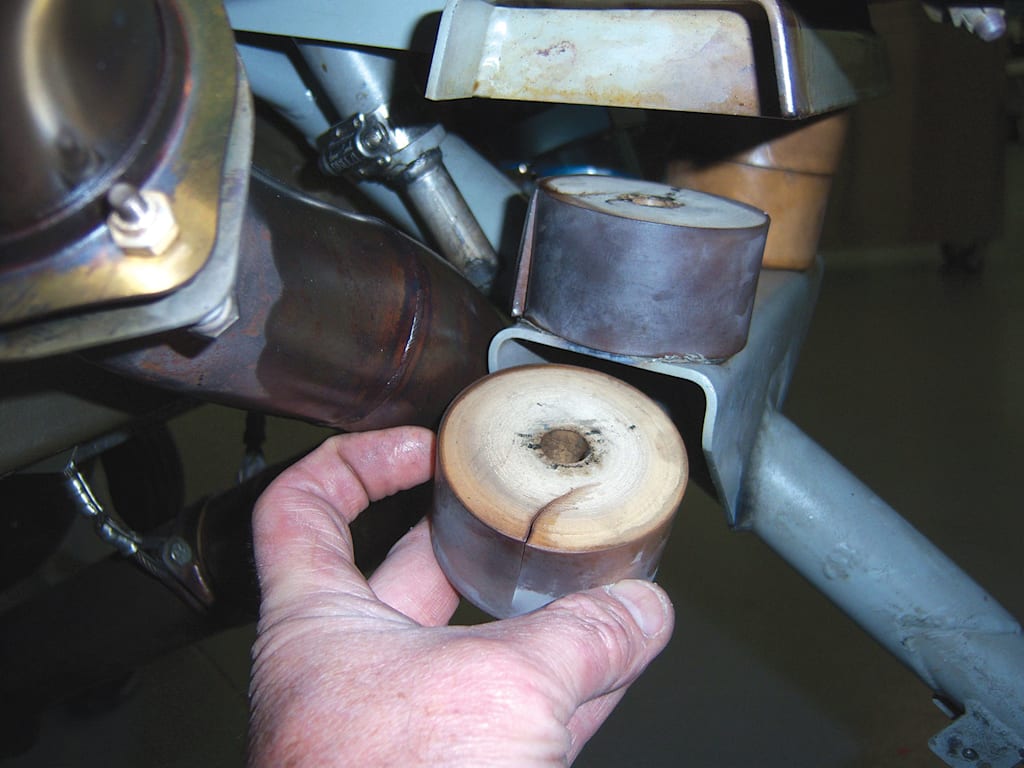
The aerospace industry demands exceptional precision, reliability and safety from every component used in aircraft systems. Whether in commercial aviation military aircraft or space applications even the smallest mechanical parts contribute significantly to overall performance and operational success.
Among these critical components aerospace bushings play a vital role in reducing wear supporting moving parts and maintaining structural stability under demanding operating conditions.
Aircraft are constantly exposed to vibration, heavy loads temperature fluctuations, and environmental stress. To ensure safe and efficient operation, engineers rely on high-quality components that can withstand these challenges.
While maintaining consistent performance. Aerospace bushings are specifically designed to meet these requirements helping improve aircraft safety, extend component lifespan and enhance operational efficiency.
Understanding Aerospace Bushings and Their Function
Aerospace bushings are precision-engineered mechanical components installed between moving parts to reduce friction, absorb shock, and provide smooth motion. They serve as protective interfaces between components that experience repeated movement or rotational forces.
In aircraft systems these components are commonly found in landing gear assemblies flight control systems engine mounts actuators and structural connections. Their primary function is to minimize direct metal-to-metal contact which helps prevent excessive wear and mechanical damage over time.
The keyword Bushings represents a critical category of aerospace hardware that contributes to the reliable operation of numerous aircraft systems. Their ability to support motion while maintaining alignment makes them indispensable in modern aviation engineering.
Enhancing Aircraft Safety Through Reduced Wear and Friction
Aircraft safety depends heavily on the integrity and reliability of mechanical systems. Excessive friction between moving parts can accelerate wear increase maintenance requirements and potentially lead to component failure. Aerospace bushings help address these concerns by creating a durable bearing surface that reduces friction and distributes loads more evenly.
By minimizing direct contact between components bushings reduce the likelihood of premature wear and mechanical degradation. This helps maintain precise movement within critical aircraft systems and ensures that operational tolerances remain within acceptable limits.
The reduction in wear not only improves component longevity but also contributes to overall flight safety by lowering the risk of unexpected mechanical issues during operation.
Supporting Structural Stability in Critical Systems
Modern aircraft contain numerous assemblies that experience constant movement and stress throughout their service life. Components such as landing gear wing structures and control surfaces must withstand significant forces during takeoff flight and landing.
Aerospace bushings play an essential role in maintaining alignment and structural stability within these systems. Their precision design helps ensure smooth movement while preventing excessive play or misalignment that could affect performance.
This stability is particularly important in flight control mechanisms, where accurate motion and dependable response are critical to safe aircraft operation. By supporting proper alignment and load distribution bushings contribute directly to the reliability of these essential systems.
Improving Vibration Control and Passenger Comfort
Aircraft operate in environments where vibration is unavoidable. Engines, aerodynamic forces, and mechanical systems generate continuous vibration that can impact both equipment performance and passenger comfort.
Aerospace bushings help absorb and dampen these vibrations before they can affect surrounding components. Their ability to reduce shock loads and vibration transmission protects sensitive systems from unnecessary stress and fatigue.
This vibration control capability improves overall aircraft durability while also contributing to a smoother and more comfortable flight experience for passengers and crew members. By reducing mechanical stress bushings help preserve the integrity of critical aircraft structures over extended operational periods.
Increasing Operation in the aerospace industry every component plays a critical role in ensuring the safety, reliability, and performance of an aircraft. From advanced avionics systems to structural hardware even the smallest parts contribute significantly to overall flight operations.
Among these essential components aerospace bushings are widely used to reduce friction, absorb vibration and support moving assemblies throughout an aircraft. Their ability to enhance durability and maintain precise mechanical alignment makes them indispensable in modern aviation.
As aircraft manufacturers and maintenance professionals continue to prioritize safety and operational efficiency the importance of high-quality aerospace bushings has become more evident than ever. These components help minimize wear and tear improve system reliability and support long-term aircraft performance under demanding operating conditions.
Understanding Aerospace Bushings
Aerospace bushings are specialized mechanical components designed to provide a protective interface between moving parts. Typically manufactured from high-performance metals, composites or advanced engineered materials.
They are installed in areas where rotational or linear movement occurs. Their primary purpose is to reduce friction prevent direct metal-to-metal contact and distribute loads evenly across mechanical assemblies.
Aircraft operate in extreme environments involving high stress temperature fluctuations vibration and continuous motion. Aerospace bushings are engineered to withstand these challenges while maintaining structural integrity and consistent performance throughout their service life.
Enhancing Aircraft Safety Through Reduced Wear
Safety remains the highest priority in aviation. Mechanical failures caused by excessive wear can compromise critical aircraft systems and increase maintenance requirements. Aerospace bushings help address this challenge by acting as a protective barrier between interacting components.
When moving parts repeatedly come into contact, friction can accelerate material degradation. Aerospace bushings reduce this friction helping preserve the condition of surrounding components and extending their operational lifespan. By minimizing wear these components contribute to the overall reliability of flight.
Control systems landing gear assemblies engine components, and other essential aircraft structures. The reduction of component wear also decreases the likelihood of unexpected failures supporting safer flight operations and helping maintenance teams identify issues before they become significant safety concerns.
Vibration Control and Structural Protection
Aircraft experience continuous vibration during takeoff flight and landing. Excessive vibration can negatively affect both structural components and onboard systems if not properly managed. Aerospace bushings play an important role in vibration dampening by absorbing and isolating mechanical movement.
Effective vibration control helps protect sensitive equipment reduces stress on structural assemblies and improves passenger comfort. By limiting the transmission of vibration throughout the aircraft bushings contribute to greater operational stability and enhanced system performance.
In critical applications vibration reduction can also improve the accuracy and reliability of mechanical systems supporting safer and more predictable aircraft operation under varying flight conditions.
Improving Operational Efficiency
Operational efficiency is a major focus for airlines, military organizations and aircraft operators. Every component that reduces maintenance demands and improves equipment longevity contributes to lower operating costs and increased aircraft availability.
Aerospace bushings support operational efficiency by reducing friction-related energy losses within mechanical systems. Smooth movement between components enables more efficient performance while decreasing unnecessary strain on connected parts. This results in reduced maintenance intervals, fewer component replacements and improved overall system reliability.
Because aerospace bushings help maintain proper alignment and load distribution, they also support optimal performance across various aircraft assemblies. These advantages allow operators to maximize fleet productivity while minimizing downtime associated with repairs and inspections.
Supporting Long-Term Maintenance Strategies
Aircraft maintenance programs are built around reliability, compliance, and cost management. Components that extend service intervals and reduce wear are highly valued within aviation maintenance operations.
Aerospace bushings contribute significantly to predictive and preventive maintenance strategies. Their durability helps reduce the frequency of component replacement while maintaining consistent operational performance.
Maintenance technicians can often identify and replace worn bushings before adjacent components experience damage resulting in more efficient maintenance planning and reduced repair costs. This proactive approach supports aircraft airworthiness while helping operators maintain compliance with stringent aviation safety standards and regulations.
Advanced Materials and Engineering Innovation
Modern aerospace manufacturing continues to drive innovation in component design and material selection. Aerospace bushings are now produced using advanced materials that offer exceptional strength corrosion resistance and lightweight performance characteristics.
These technological advancements enable manufacturers to develop bushings capable of performing in increasingly demanding aerospace applications. Enhanced material properties improve resistance to environmental factors such as moisture chemicals temperature extremes and mechanical stress.
The use of advanced engineering techniques also ensures precise dimensional accuracy, allowing bushings to maintain tight tolerances required for modern aircraft systems. As aerospace technology evolves the role of high-performance Bushings will continue to expand across commercial military and space-related applications.
Final thought
Aerospace bushings may appear to be small components but their impact on aircraft safety and operational efficiency is substantial. By reducing friction controlling vibration preventing excessive wear and supporting reliable mechanical performance they play a vital role in maintaining the integrity of critical aircraft systems.
Their contribution extends beyond individual assemblies influencing overall aircraft reliability, maintenance efficiency and long-term operational success. As aviation technology continues to advance aerospace bushings will remain essential components.
That help ensure safer flights, improved performance and greater efficiency across the aerospace industry. Organizations that prioritize high-quality aerospace bushings are investing in both operational excellence and the long-term reliability of their aircraft fleets.
About the Creator
Enjoyed the story? Support the Creator.
Subscribe for free to receive all their stories in your feed.
Comments
There are no comments for this story
Be the first to respond and start the conversation.