
How a Nation fails
The Perfect Storm: How Nations Crumble Under Pressure
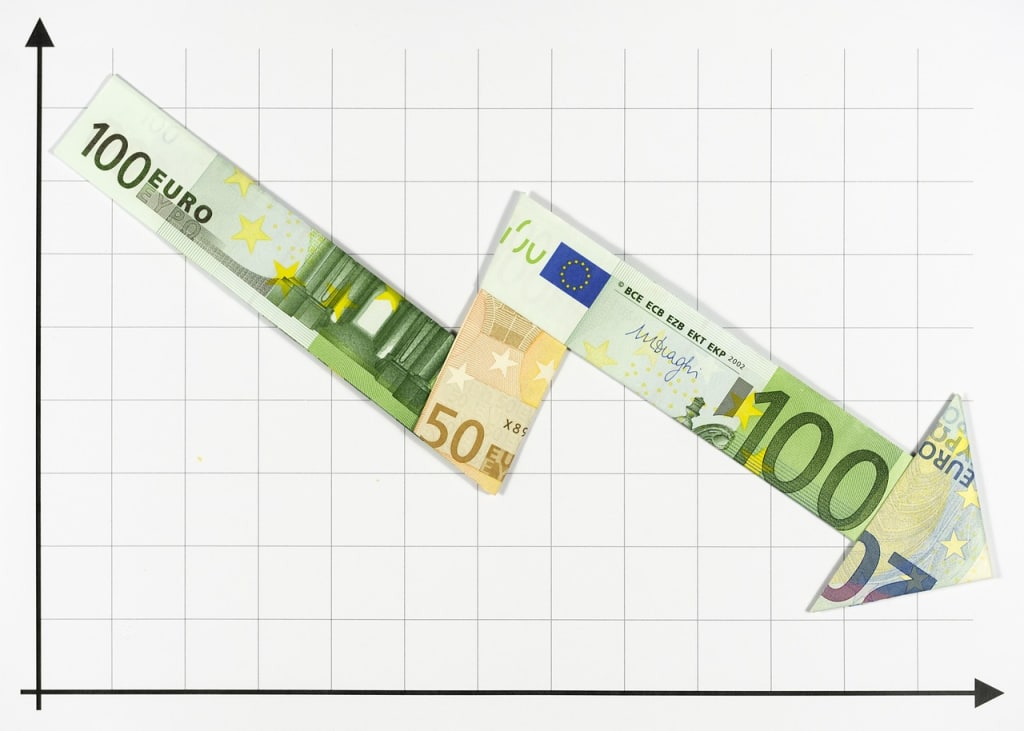
How a Nation Fails: Understanding the Path to Collapse
Picture this: a country where your savings become worthless overnight, where leaders care more about their own wealth than the people’s needs, and where protests fill the streets every day. This isn’t a scene from a movie—it’s the harsh reality for nations teetering on the edge of failure. But what does it mean for a nation to fail? It’s when a country can’t provide basic services, keep order, or look after its citizens’ well-being. In this article, we’ll dive into the big reasons why nations crumble: economic collapse, political chaos, social unrest, environmental neglect, and outside pressures. Let’s explore how these pieces fit together and what they mean for a country’s survival.
Economic Collapse: When Money Loses Meaning
Imagine walking into a shop and seeing the price of bread double overnight. Now imagine that happening day after day. That’s hyperinflation—a disaster where money turns into little more than paper. Zimbabwe faced this in the 2000s, with prices soaring so high that people needed wheelbarrows of cash just to buy groceries. It’s not just numbers on a page; it wipes out savings, shuts down businesses, and leaves families hungry.
Economic failure doesn’t always look like that, though. Take Greece in the 2010s—it borrowed too much and couldn’t pay it back. The result? Cuts to schools, hospitals, and jobs, pushing more people into poverty. Whether it’s runaway inflation, crushing debt, or plain old mismanagement, a broken economy shakes the ground beneath a nation’s feet.
Political Turmoil: When Leaders Fail the People
A country without steady leadership is like a ship drifting without a captain. Political chaos can show up in many ways: governments that change too often, leaders who steal from the public, or rulers who cling to power no matter the cost. Somalia’s story is a grim one—decades of civil war and piracy have left it without a real government. Schools and clinics vanish, and crime takes over.
Then there’s Venezuela. It used to be one of the richest countries in Latin America, but corrupt and oppressive leadership tanked it. People fled in droves as poverty spread. When those in charge put themselves first, the whole nation pays the price.
Social Breakdown: When Society Fractures
Sometimes, trouble brews quietly—inequality, unfairness, or hopelessness—until it explodes. The Arab Spring in 2011 was a wake-up call. Across the Middle East, people fed up with corruption and dead-end lives stormed the streets. Some countries found new paths, but others slid into deeper trouble.
Go back further to the French Revolution. The gap between the rich nobles and the struggling masses grew too wide, sparking a bloody uprising that rewrote history. When a nation ignores its people’s cries, those cries can turn into a roar that brings everything down.
Neglect, and outside pressures. Let’s explore how these pieces fit together and what they mean for a country’s survival.
Economic Collapse: When Money Loses Meaning
Imagine walking into a shop and seeing the price of bread double overnight. Now imagine that happening day after day. That’s hyperinflation—a disaster where money turns into little more than paper. Zimbabwe faced this in the 2000s, with prices soaring so high that people needed wheelbarrows of cash just to buy groceries. It’s not just numbers on a page; it wipes out savings, shuts down businesses, and leaves families hungry.
Economic failure doesn’t always look like that, though. Take Greece in the 2010s—it borrowed too much and couldn’t pay it back. The result? Cuts to schools, hospitals, and jobs, pushing more people into poverty. Whether it’s runaway inflation, crushing debt, or plain old mismanagement, a broken economy shakes the ground beneath a nation’s feet.
Political Turmoil: When Leaders Fail the People
A country without steady leadership is like a ship drifting without a captain. Political chaos can show up in many ways: governments that change too often, leaders who steal from the public, or rulers who cling to power no matter the cost. Somalia’s story is a grim one—decades of civil war and piracy have left it without a real government. Schools and clinics vanish, and crime takes over.
Then there’s Venezuela. It used to be one of the richest countries in Latin America, but corrupt and oppressive leadership tanked it. People fled in droves as poverty spread. When those in charge put themselves first, the whole nation pays the price.
Social Breakdown: When Society Fractures
Sometimes, trouble brews quietly—inequality, unfairness, or hopelessness—until it explodes. The Arab Spring in 2011 was a wake-up call. Across the Middle East, people fed up with corruption and dead-end lives stormed the streets. Some countries found new paths, but others slid into deeper trouble.
Go back further to the French Revolution. The gap between the rich nobles and the struggling masses grew too wide, sparking a bloody uprising that rewrote history. When a nation ignores its people’s cries, those cries can turn into a roar that brings everything down.
Environmental Neglect: Ignoring the Planet’s Warnings
A country that trashes its environment is gambling with its future. Haiti learned this the hard way—cutting down trees left its soil washing away, making farming tougher and storms deadlier. In China, fast growth brought thick smog and dirty rivers, hitting people’s health and wallets hard.
This isn’t just about nature. When water dries up or land turns barren, food gets scarce, and tensions rise. A nation that doesn’t care for its planet is setting itself up for a slow, painful fall.
External Pressures: When Outside Forces Interfere
No country stands alone. Threats from the outside—wars, economic meddling, or political games—can tip the scales. Colonization scarred many places, like Africa and Asia, leaving them struggling to catch up centuries later.
Think about the Cold War, too. Big powers turned smaller nations into battlegrounds, funding fights that left scars still visible today. When outside forces poke at a country’s weak spots, it’s like adding fuel to an already flickering fire.
Conclusion: Learning from the Wreckage
Here’s the thing: a nation rarely falls apart for just one reason. Economic woes spark protests, which rattle the government, while a ruined environment or foreign meddling makes it all worse. It’s a tangled mess—a perfect storm of failure. But there’s hope in understanding it. Good leadership, fair policies, and a focus on the planet can steer a country away from the edge.
So, what about us? As citizens, we’re not powerless. We can demand accountability, push for justice, and build a future that lasts. The question is: will we act before the cracks turn into a collapse? That’s up to all of us.
About the Creator
Enjoyed the story? Support the Creator.
Subscribe for free to receive all their stories in your feed.
Comments
There are no comments for this story
Be the first to respond and start the conversation.