
Future Trends in Electronic Component Supply
Exploring How Innovation and Digital Transformation Are Shaping the Future of Component Distribution

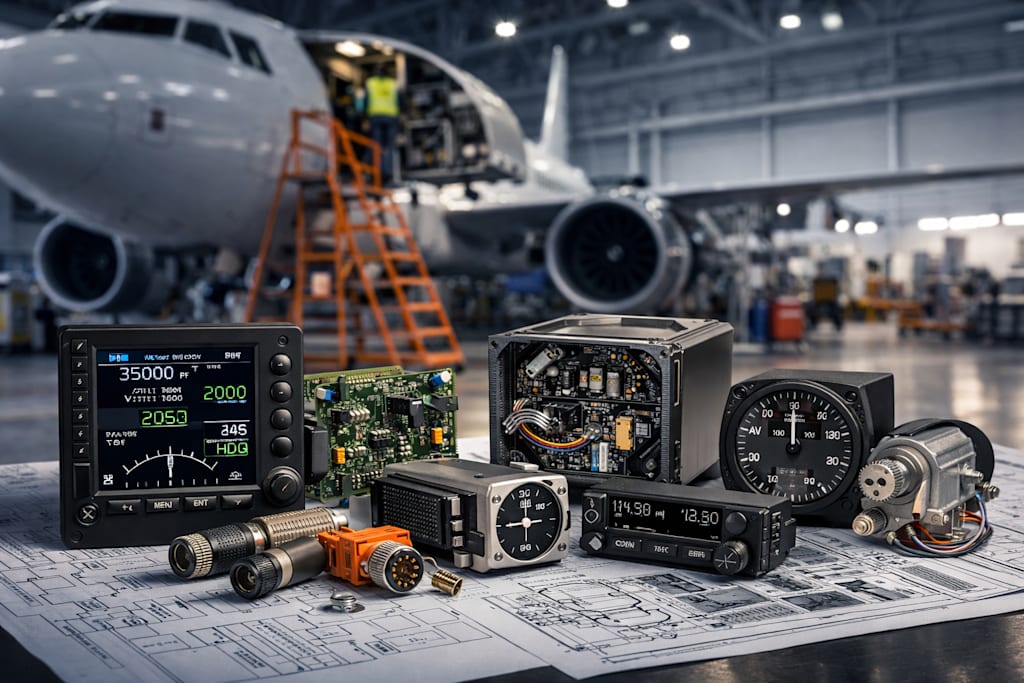
The global electronics industry is undergoing a significant transformation driven by rapid technological advancements increasing demand and evolving supply chain dynamics. Electronic components are the foundation of modern technology powering everything.From consumer electronics and industrial machinery to aerospace systems and telecommunications infrastructure.
As industries continue to innovate the demand for reliable and high-performance components continues to grow.The future of electronic component supply is being shaped by emerging trends such as digital supply chains automation artificial intelligence and localized manufacturing.
These developments are not only improving efficiency but also enhancing resilience in global supply networks. For businesses that rely on consistent access to components understanding these trends is essential for maintaining competitiveness and operational stability.
The Shift Toward Digital Supply Chains
One of the most impactful trends in electronic component supply is the adoption of digital supply chain technologies. Traditional procurement processes often involved manual tracking limited visibility and delayed communication between suppliers and buyers.Today digital platforms are transforming these processes.
By providing real-time data and seamless connectivity.Digital supply chains allow organizations to track inventory.Levels monitor shipments and manage supplier relationships more effectively. With access to real-time information procurement teams can make faster and more informed decisions.
This improved visibility helps reduce delays prevent shortages and optimize inventory management.As businesses continue to adopt digital systems the supply of Electronic Parts is becoming more efficient transparent and responsive to market demands.
The Role of Artificial Intelligence and Data Analytics
Artificial intelligence and data analytics are playing an increasingly important role in shaping the future of component supply. These technologies enable organizations to analyze large volumes of data and identify patterns that can improve procurement strategies.
Predictive analytics allows companies to forecast demand more accurately helping them prepare for fluctuations in supply and demand. By analyzing historical data, market trends and supplier performance businesses can anticipate potential disruptions and take proactive measures to mitigate risks.
AI-powered systems can also automate procurement processes reducing manual workload and improving efficiency. These systems can recommend optimal sourcing strategies identify reliable suppliers and even detect potential supply chain vulnerabilities before they become critical issues.
Increasing Demand for Advanced Technologies
The rapid growth of emerging technologies is driving demand for electronic components. Industries such as artificial intelligence the Internet of Things (IoT) 5G communication and electric vehicles require specialized components that meet high-performance standards.
As these technologies continue to expand the pressure on global supply chains is increasing. Manufacturers are being challenged to scale production while maintaining quality and reliability.
This growing demand is encouraging innovation in manufacturing processes and supply chain management.To meet these demands companies are investing in advanced production technologies and exploring new ways to improve efficiency and scalability.
Localization and Supply Chain Resilience
Recent global disruptions have highlighted the importance of supply chain resilience. Many organizations are now focusing on reducing their dependence on single-region suppliers by diversifying their sourcing strategies.
Localization of manufacturing is becoming a key trend in the electronic component industry. By establishing production facilities closer to end markets, companies can reduce transportation delays lower costs and improve supply chain reliability.
Governments and private organizations are also investing in domestic manufacturing capabilities to strengthen national supply chains. These initiatives aim to ensure a stable supply of critical components even during global disruptions.
Automation and Smart Manufacturing
Automation is another major trend shaping the future of electronic component supply. Smart manufacturing technologies including robotics and automated production lines are improving production efficiency and consistency.
Automated systems can produce components with high precision and minimal error reducing the risk of defects and improving overall quality. These systems also enable manufacturers to increase production capacity while maintaining strict quality standards.
In addition smart factories use connected devices and sensors to monitor production processes in real time. This allows manufacturers to identify inefficiencies optimize operations and respond quickly to changing demand.
Enhancing Supplier Transparency and Traceability
Transparency and traceability are becoming increasingly important in the electronic component supply chain. Businesses need to ensure that components meet quality standards and comply with regulatory requirements.
Advanced tracking systems and digital platforms allow organizations to trace components from production to delivery. This level of visibility helps prevent the use of counterfeit or substandard components, which can compromise system performance and safety.
Blockchain technology is also emerging as a solution for improving supply chain transparency. By creating secure and tamper-proof records blockchain systems can enhance trust and accountability across the supply network.
Sustainability in Electronic Component Supply
Sustainability is becoming a key focus in the electronics industry. Manufacturers and suppliers are working to reduce environmental impact by adopting eco-friendly practices and materials.
Efforts to improve sustainability include reducing energy consumption in manufacturing processes minimizing waste and developing recyclable components.Companies are also focusing on responsible sourcing of raw materials to ensure ethical and sustainable production.
As environmental regulations become stricter businesses that prioritize sustainability will be better positioned to meet industry standards and customer expectations.
The Future Outlook
The future of electronic component supply will be defined by innovation adaptability and resilience. As technology continues to evolve supply chains must become more agile and responsive to changing market conditions.
Organizations that embrace digital transformation invest in advanced technologies and build strong supplier networks will be better equipped to navigate future challenges. By leveraging data-driven insights and modern supply chain strategies businesses can ensure a consistent and reliable supply of components.
Final Thought
The electronic component supply industry is undergoing a profound transformation driven by technological advancements and global market dynamics. From digital supply chains and artificial intelligence to automation and sustainability these trends are reshaping how components are produced sourced and distributed.
For businesses that rely on electronic components staying ahead of these trends is essential for maintaining operational efficiency and competitiveness. By adopting innovative supply chain practices and focusing on reliability and quality organizations can ensure a stable supply of components in an increasingly complex global environment.
As the industry continues to evolve the future of electronic component supply will depend on the ability to adapt innovate and build resilient systems that support the growing demands of modern technology.
About the Creator
Beckett Dowhan
Where aviation standards meet real-world sourcing NSN components, FSG/FSC systems, and aerospace-grade fasteners explained clearly.
Enjoyed the story? Support the Creator.
Subscribe for free to receive all their stories in your feed.
Comments
There are no comments for this story
Be the first to respond and start the conversation.