
Federal Supply Class (FSC): The Backbone of Organized Defense Logistics
When millions of parts move across systems clarity is not a luxury its a necessity.

What Is Federal Supply Class (FSC)?
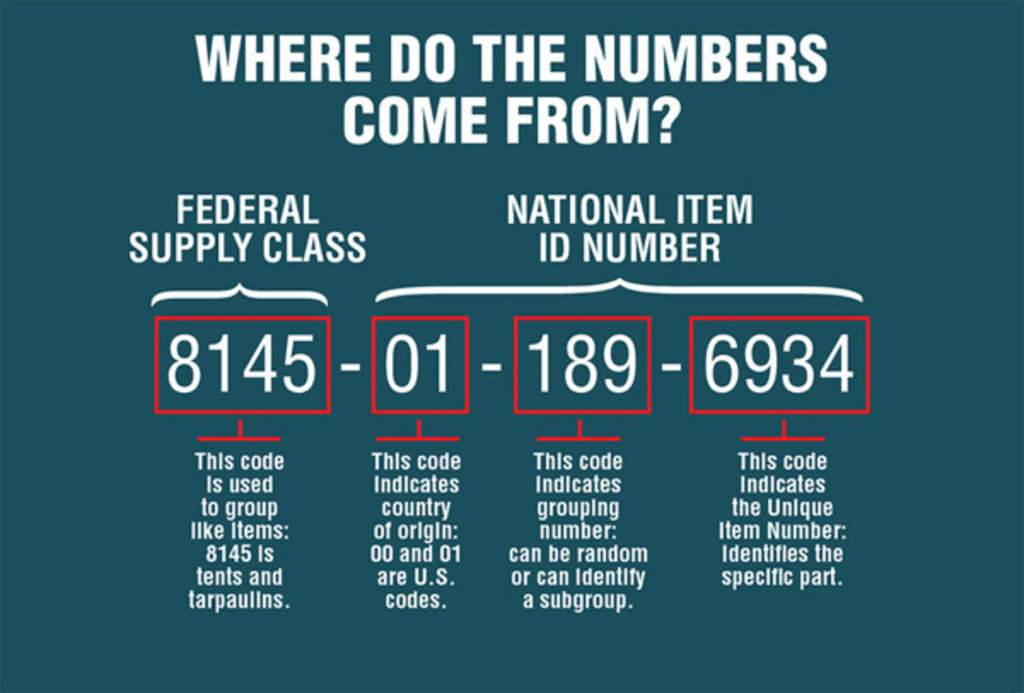
The Federal Supply Class (FSC) is a standardized classification system used to organize products in defense and government supply chains.
- In simple terms
- It’s a 4-digit code
- It groups similar items together
- It makes searching and managing parts easier
Instead of dealing with millions of individual items, FSC allows teams to navigate through categories with precision.
Understanding FSC and FSG Together
To really understand FSC, you need to see how it fits into the bigger picture.
The structure works like this
- First 2 digits → Federal Supply Group (FSG)
- Last 2 digits → Federal Supply Class (FSC)
Example breakdown
- FSG identifies a broad category (like electrical equipment)
- FSC narrows it down to a specific type within that category
From what I’ve seen, this layered structure is what makes the system so effective.
Why FSC Codes Matter in Real Operations
At first glance, FSC codes might seem like simple labels.
But in real-world operations, they solve critical problems.
Key advantages include
- Faster part identification
- Reduced errors in procurement
- Better inventory organization
- Clear communication across teams
- Efficient supply chain management
In my opinion, FSC codes are less about classification and more about speed and accuracy under pressure.
Where FSC Is Used
FSC codes are widely used across multiple sectors.
- Common applications include
- Military logistics and defense systems
- Aviation and aerospace parts management
- Government procurement processes
- Maintenance and repair operations
Anywhere large inventories exist, FSC helps bring order and structure.
Real-World Impact on Engineers and Buyers
From an engineering perspective, FSC helps locate the exact part needed without confusion.
From a procurement perspective, it simplifies sourcing and ordering.
- Combined benefits
- Engineers save time searching
- Buyers reduce costly mistakes
- Teams communicate more effectively
From my experience, this alignment between technical and operational teams is where FSC delivers real value.
The Role of Digital Tools
Today, FSC systems are supported by modern digital platforms.
Tools like FSG and FSC Online Lookup make it easier to:
- Search by code or category
- Identify correct classifications
- Navigate large databases quickly
This evolution shows how traditional systems can remain relevant by adapting to modern needs.
The Challenge of Scale
Managing supply chains at a large scale is not easy.
Without systems like FSC
- Data becomes overwhelming
- Errors increase
- Delays become common
- Costs rise unnecessarily
From my perspective, FSC works because it simplifies complexity without oversimplifying the system.
Why FSC Still Matters Today
Even with advanced software and automation, the need for structured classification hasn’t disappeared.
In fact, it’s more important because
- Supply chains are global
- Data volumes are increasing
- Speed is critical in operations
From what I’ve seen, FSC acts as a foundation layer something modern systems rely on rather than replace.
What the Future Might Look Like
As technology evolves, FSC systems will likely become even more integrated.
Possible future developments
- AI-assisted classification and search
- Real-time inventory tracking linked to FSC codes
- Better integration with global supply systems
- Enhanced digital interfaces for faster access
In my view, the system will remain the same at its core but become smarter in how it’s used.
Final Thoughts
Complex systems don’t fail from lack of parts they fail from lack of organization.
About the Creator
Beckett Dowhan
Where aviation standards meet real-world sourcing NSN components, FSG/FSC systems, and aerospace-grade fasteners explained clearly.
Enjoyed the story? Support the Creator.
Subscribe for free to receive all their stories in your feed.
Comments
There are no comments for this story
Be the first to respond and start the conversation.